


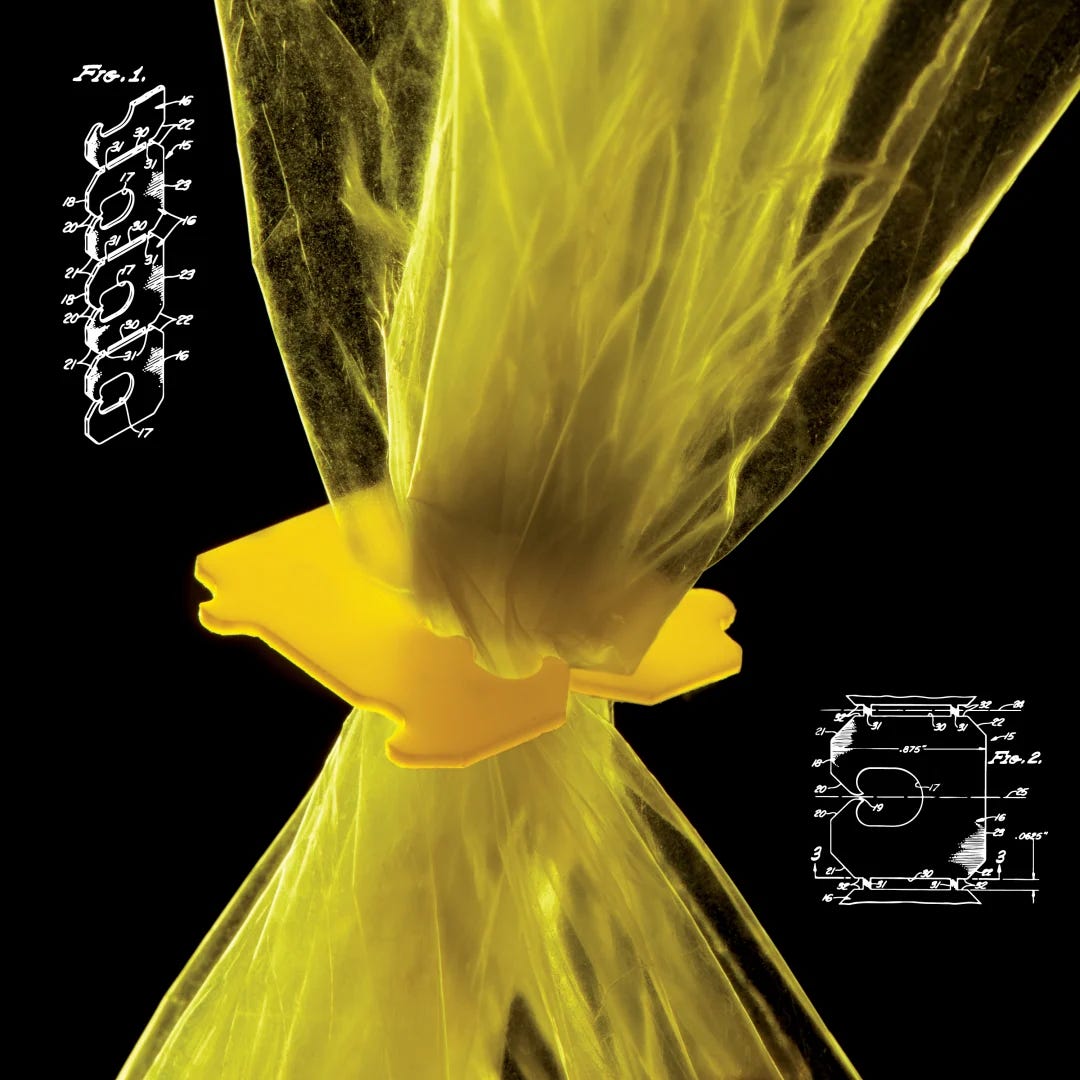
Let’s pay homage to the quietly achieving functional objects that make our lives better and get things done; or rather one single thing done – extremely well.
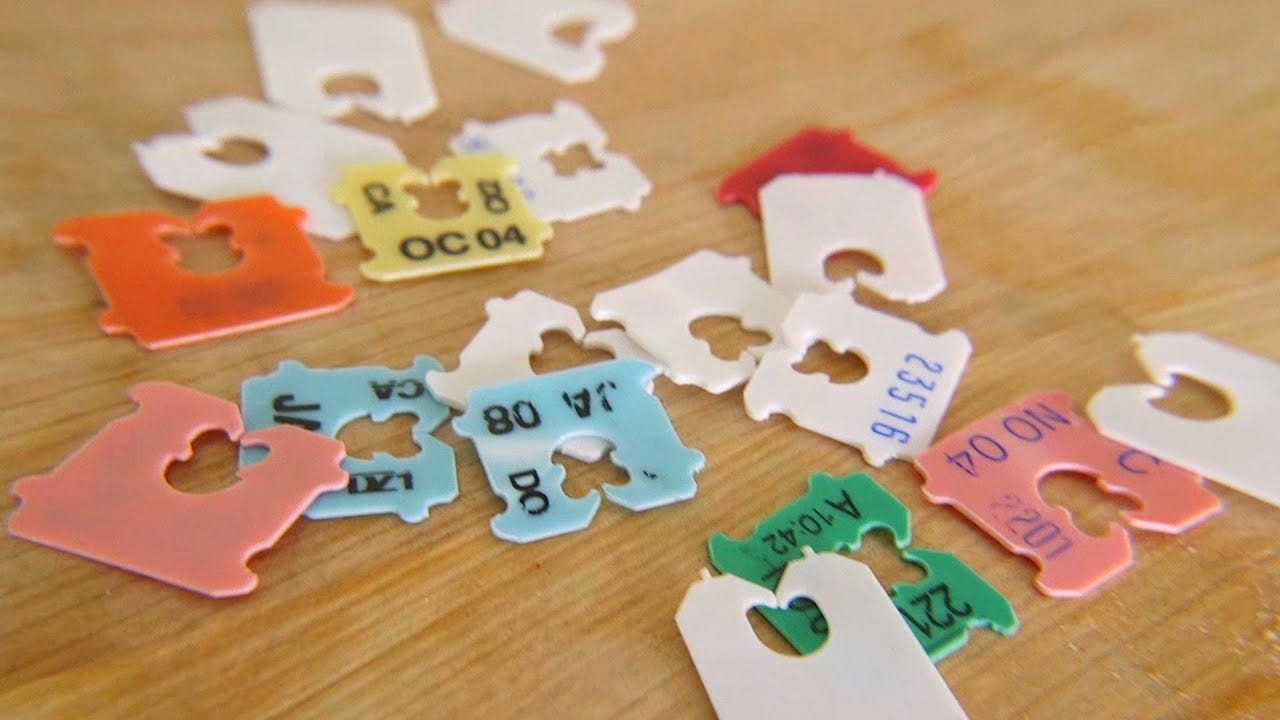
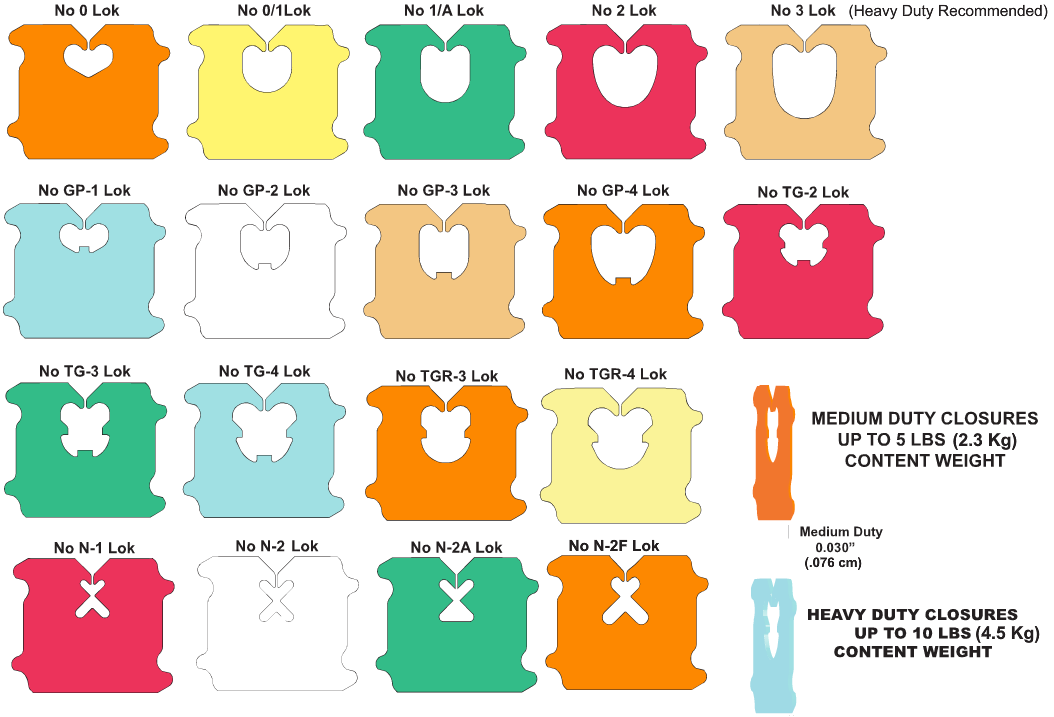
A bread tag aka “bread clip” is a device used to hold plastic bags closed, such as those in which sliced bread is commonly packaged. By sealing a bag more securely than tying or folding over its open end, the clip or tie may preserve the bag’s contents longer. In some cases, the colour of the tag indicates the day on which it was baked, although there is no universal standard for the colour code.
The bread tag was invented by Floyd G. Paxton. As Paxton tells the story, he was flying home in 1952 and opened a bag of peanuts, whereupon he realised he had no way to re-close the bag. He rummaged through his wallet and found an expired credit card and hand-carved his first bag clip with a small pen knife.
When a fruit packer, Pacific Fruit, wanted to replace rubber bands with a better bag closure for its new plastic bags, Paxton remembered his bag of peanuts.
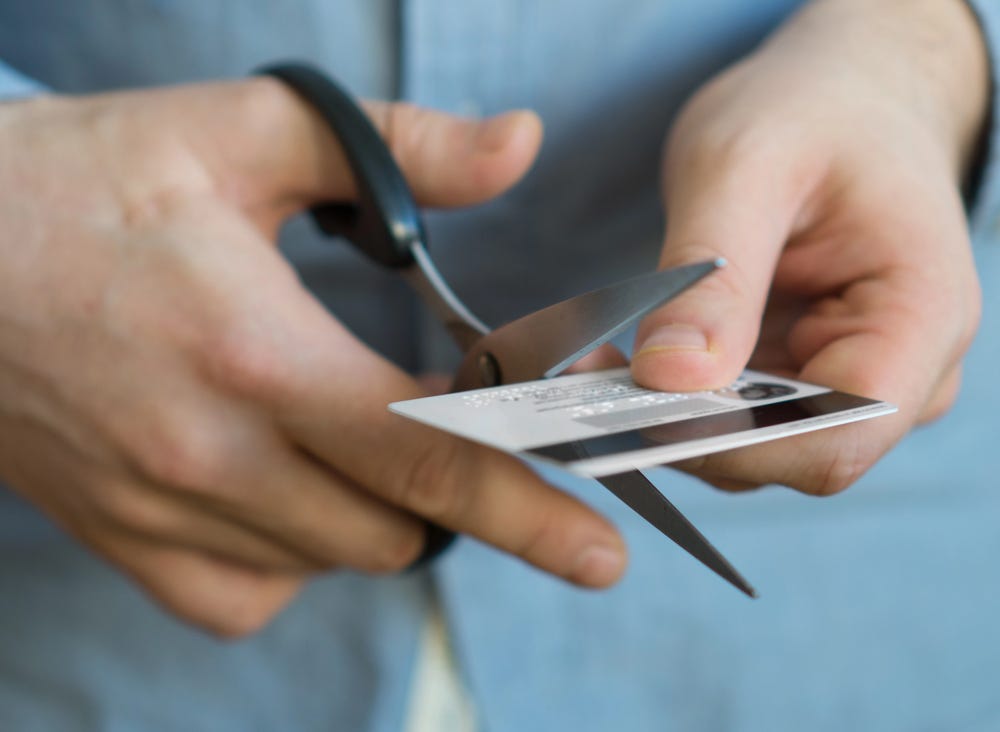
He hand-whittled another clip from a small sheet of Plexiglas. With an order in hand for a million clips, Paxton designed a die-cut machine to produce the clips at high speed. To make them he founded the Kwik Lok Corporation, based in Yakima, Washington, and it continues to be the main manufacturer of bread clips today.
But, there’s a problem. Billions and billions of plastic bread tags are produced annually, and they don’t go away. The persistence of their existence has some nasty side effects. They end up in landfill and in our water ways. Fish and turtles don’t do well when they swallow them, and they can also be very dangerous if swallowed inadvertently by human beings. It happens.
There would appear to be three solutions: upcycle, recycle or replace.
On the upcycling front, there is quite a bit going on. Some people collect them. Some make art from them. For a treat, check out the @the_breadtag_project_ on Instagram.
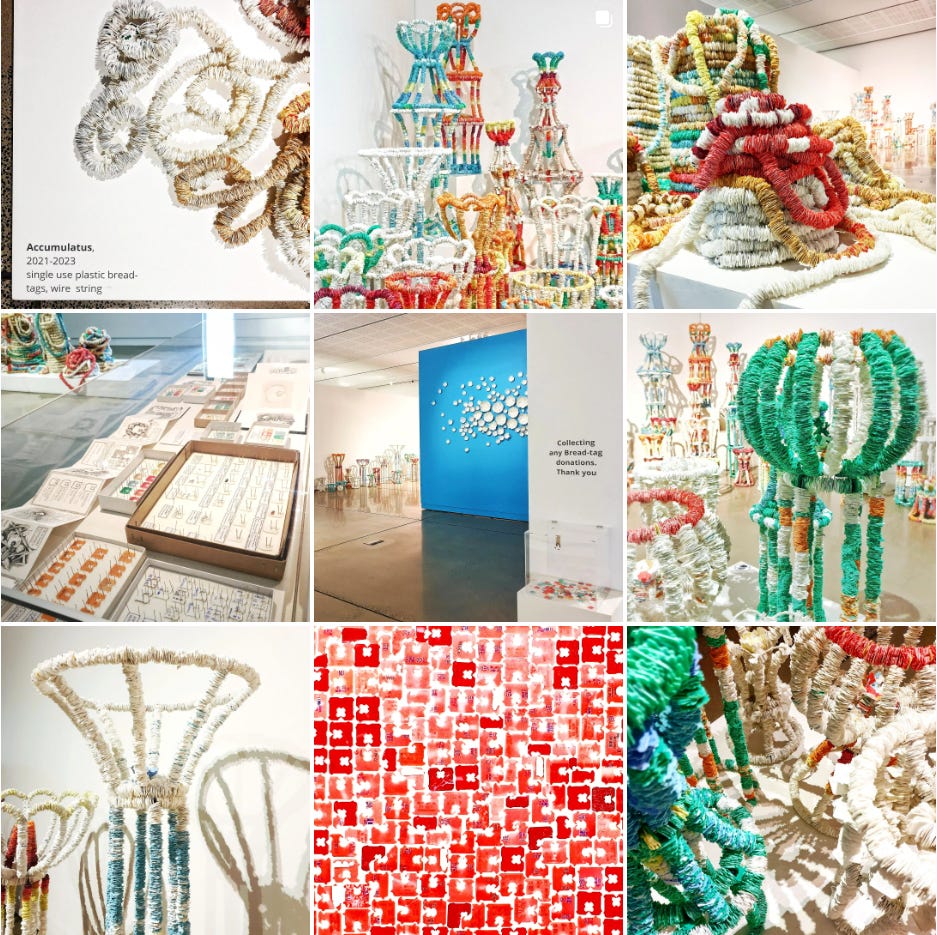
Some use them in creative ways: to label cables, repair thongs, identify wine glasses, and so on …


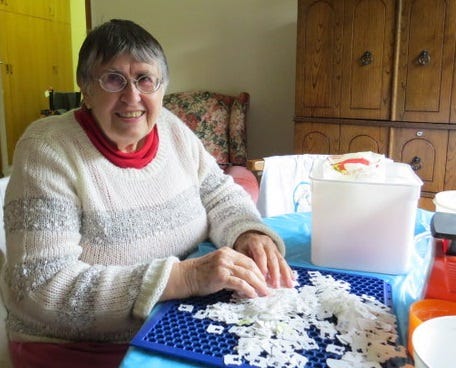
A good recycling story is that of Mary Honeybun (bonus points for a great name) who started Bread Tags for Wheelchairs in South Africa in 2006. She came up with the idea of recycling the plastic to raise funds to buy wheelchairs for people who were unable to afford to buy their own. Recycling 250kg of bread tags funds an entry level wheelchair, and they have so far funded over 800 of them. In 2018 Aussie Bread Tags for Wheelchairs was launched, connected to a recycling plant in Robe South Australia. And a global network is growing.
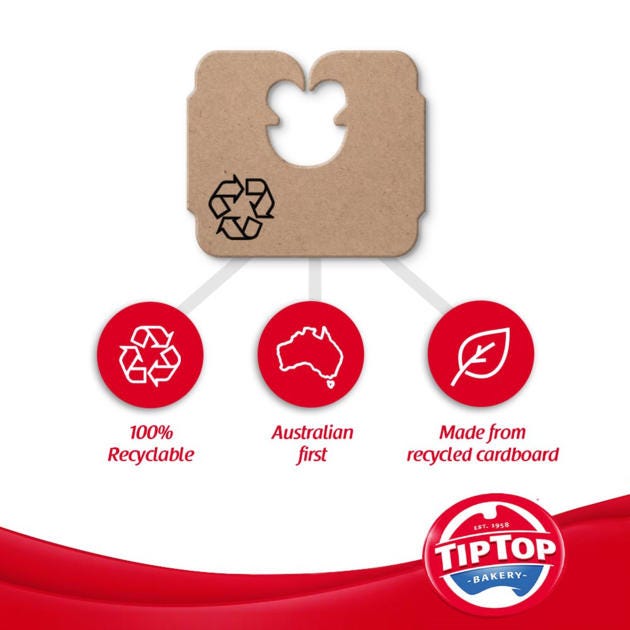
Maybe the ideal longer term solution is to replace the plastic with compostable cardboard. KLR Systems in Quebec launched such a product in 2021 and in the same year “Tip Top” became the first bread maker in Australia to move to 100% recyclable bread tags made by MPI Australia (an engineering company representing KLR) from 100% recycled cardboard, diverting over 400 million plastic bread tags from landfill each year as they roll out nationally.
You may never look at a bread tag the same way again.
Video
Warning: Cheesy Promotional Video
Bread Tag Design Merchandise at REMO
This REMO design dates back to 2002. Browse merchandise HERE.


REMORANDOM Chapter
