Traditionally, and prior to Chanel’s launch of Nº5, “respectable” women wore perfumes that smelled like singular flowers, while courtesans and other racy ladies stuck to more brazen smells such as musk or jasmine to attract men.
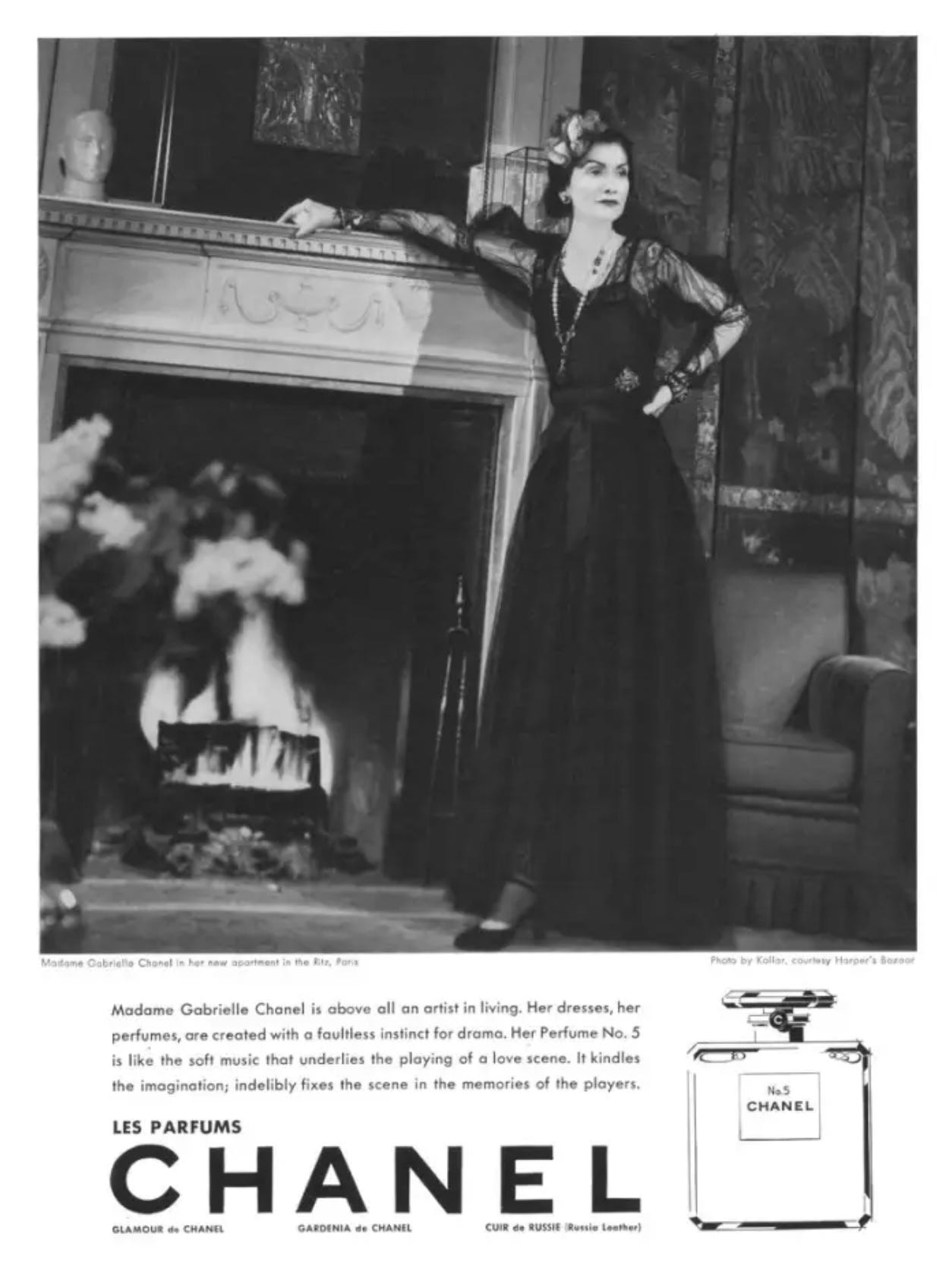
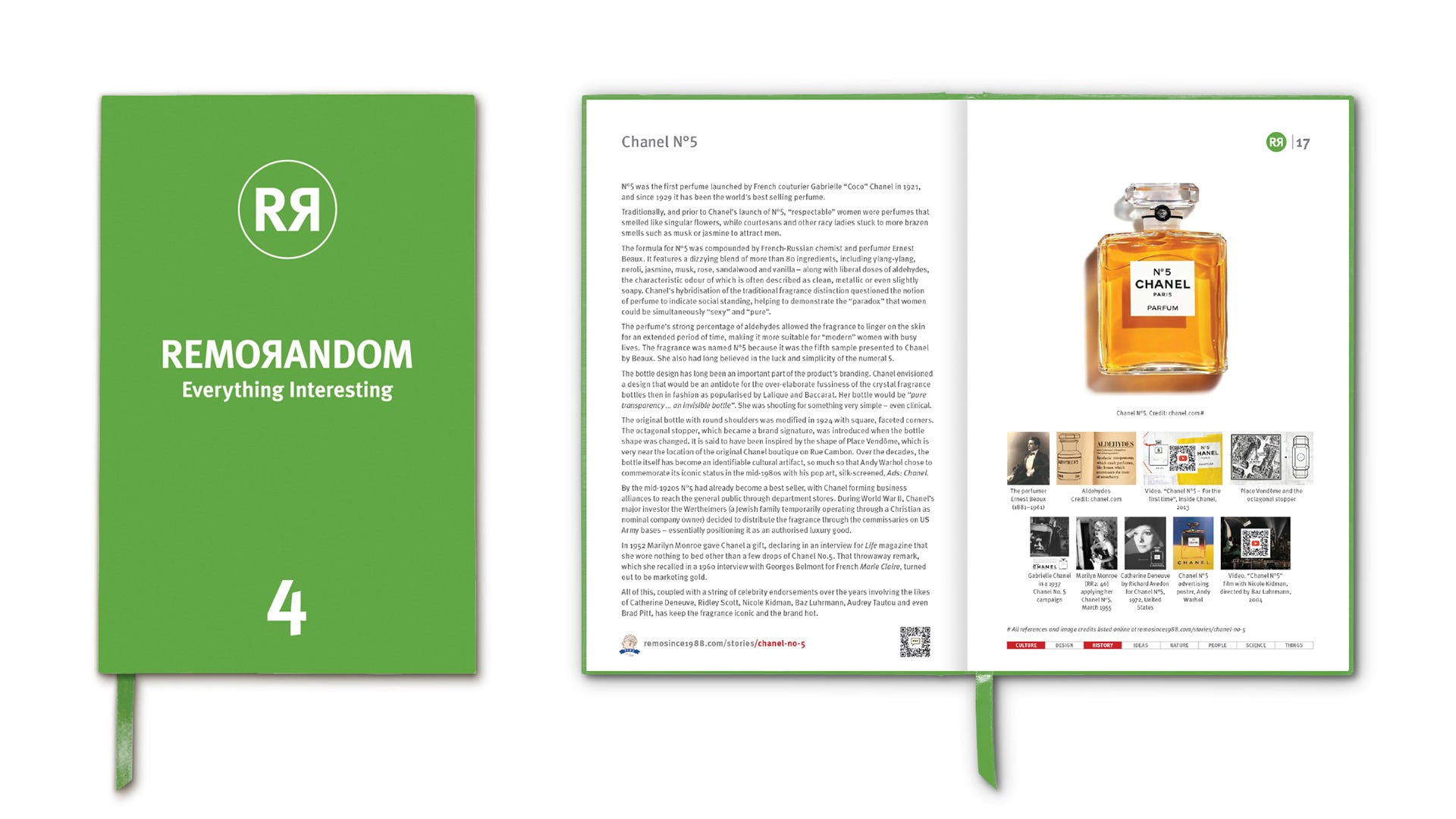
The formula for Nº5 was compounded by French-Russian chemist and perfumer Ernest Beaux. It features a dizzying blend of more than 80 ingredients, including ylang-ylang, neroli, jasmine, musk, rose, sandalwood and vanilla – along with liberal doses of aldehydes, the characteristic odour of which is often described as clean, metallic or even slightly soapy. Chanel’s hybridisation of the traditional fragrance distinction questioned the notion of perfume to indicate social standing, helping to demonstrate the “paradox” that women could be simultaneously “sexy” and “pure”.


The perfume’s strong percentage of aldehydes allowed the fragrance to linger on the skin for an extended period of time, making it more suitable for “modern” women with busy lives. The fragrance was named Nº5 because it was the fifth sample presented to Chanel by Beaux. She also had long believed in the luck and simplicity of the numeral 5.
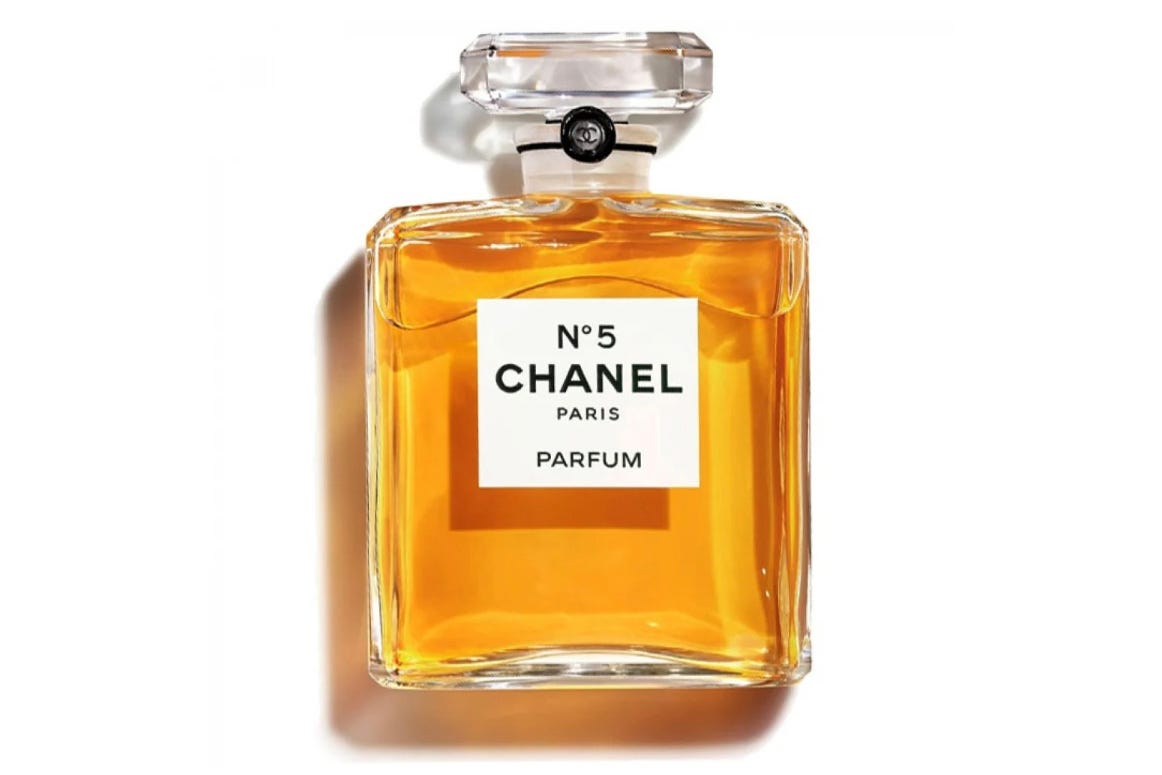
The bottle design has long been an important part of the product’s branding. Chanel envisioned a design that would be an antidote for the over-elaborate fussiness of the crystal fragrance bottles then in fashion as popularised by Lalique and Baccarat. Her bottle would be “pure transparency … an invisible bottle”. She was shooting for something very simple – even clinical.
The original bottle with round shoulders was modified in 1924 with square, faceted corners. The octagonal stopper, which became a brand signature, was introduced when the bottle shape was changed. It is said to have been inspired by the shape of Place Vendôme, which is very near the location of the original Chanel boutique on Rue Cambon. Over the decades, the bottle itself has become an identifiable cultural artifact, so much so that Andy Warhol chose to commemorate its iconic status in the mid-1980s with his pop art, silk-screened, Ads: Chanel.


By the mid-1920s Nº5 had already become a best seller, with Chanel forming business alliances to reach the general public through department stores. During World War II, Chanel’s major investor the Wertheimers (a Jewish family temporarily operating through a Christian as nominal company owner) decided to distribute the fragrance through the commissaries on US Army bases – essentially positioning it as an authorised luxury good.
In 1952 Marilyn Monroe gave Chanel a gift, declaring in an interview for Life magazine that she wore nothing to bed other than a few drops of Chanel Nº5. That throwaway remark, which she recalled in a 1960 interview with Georges Belmont for French Marie Claire, turned out to be marketing gold.


All of this, coupled with a string of celebrity endorsements over the years involving the likes of Catherine Deneuve, Ridley Scott, Nicole Kidman, Baz Luhrmann, Audrey Tautou and even Brad Pitt, has keep the fragrance iconic and the brand hot
Postscript
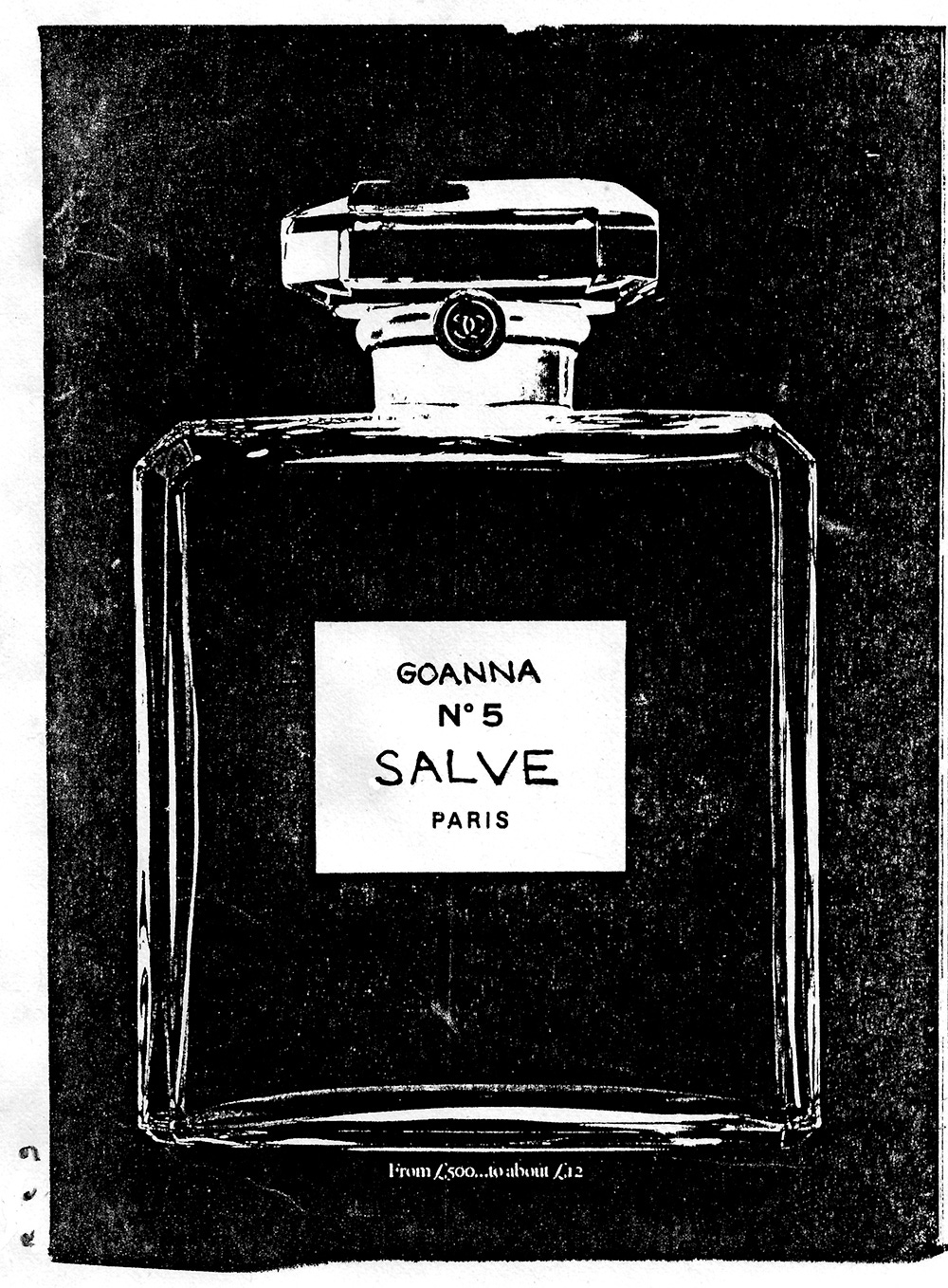
Here’s a visual postscript by Australian artist and illustrator Reg Lynch. Browse the full range of Reg Lynch designs at REMO HERE.
.Video
Video Podcast
REMORANDOM Chapter