


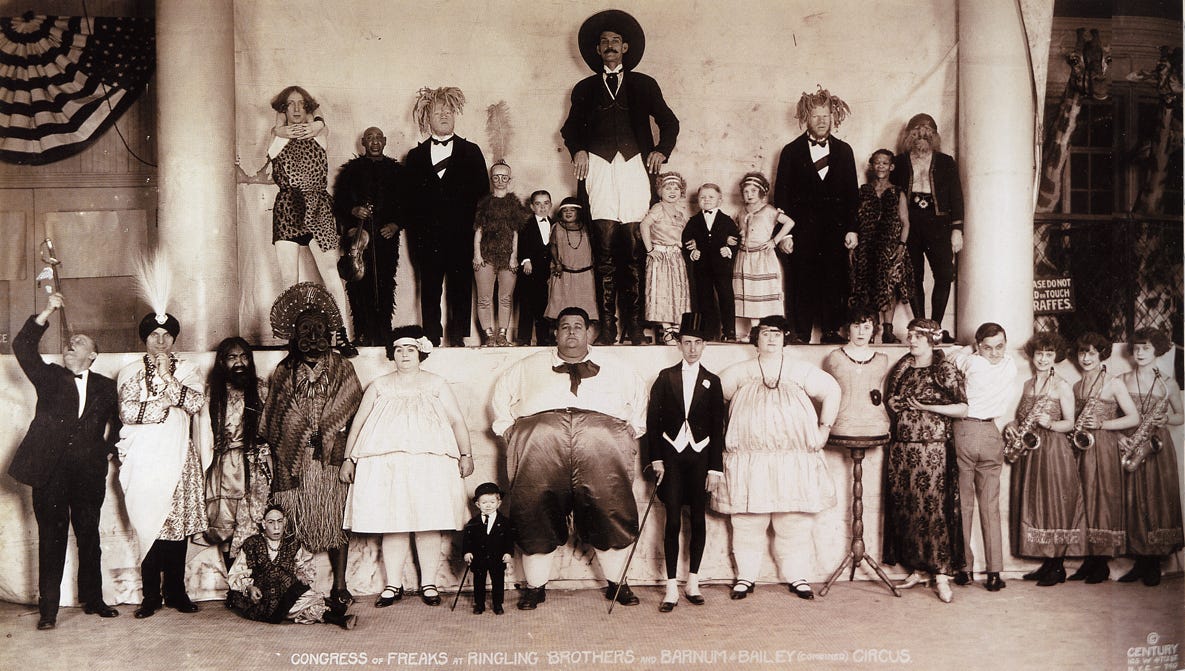
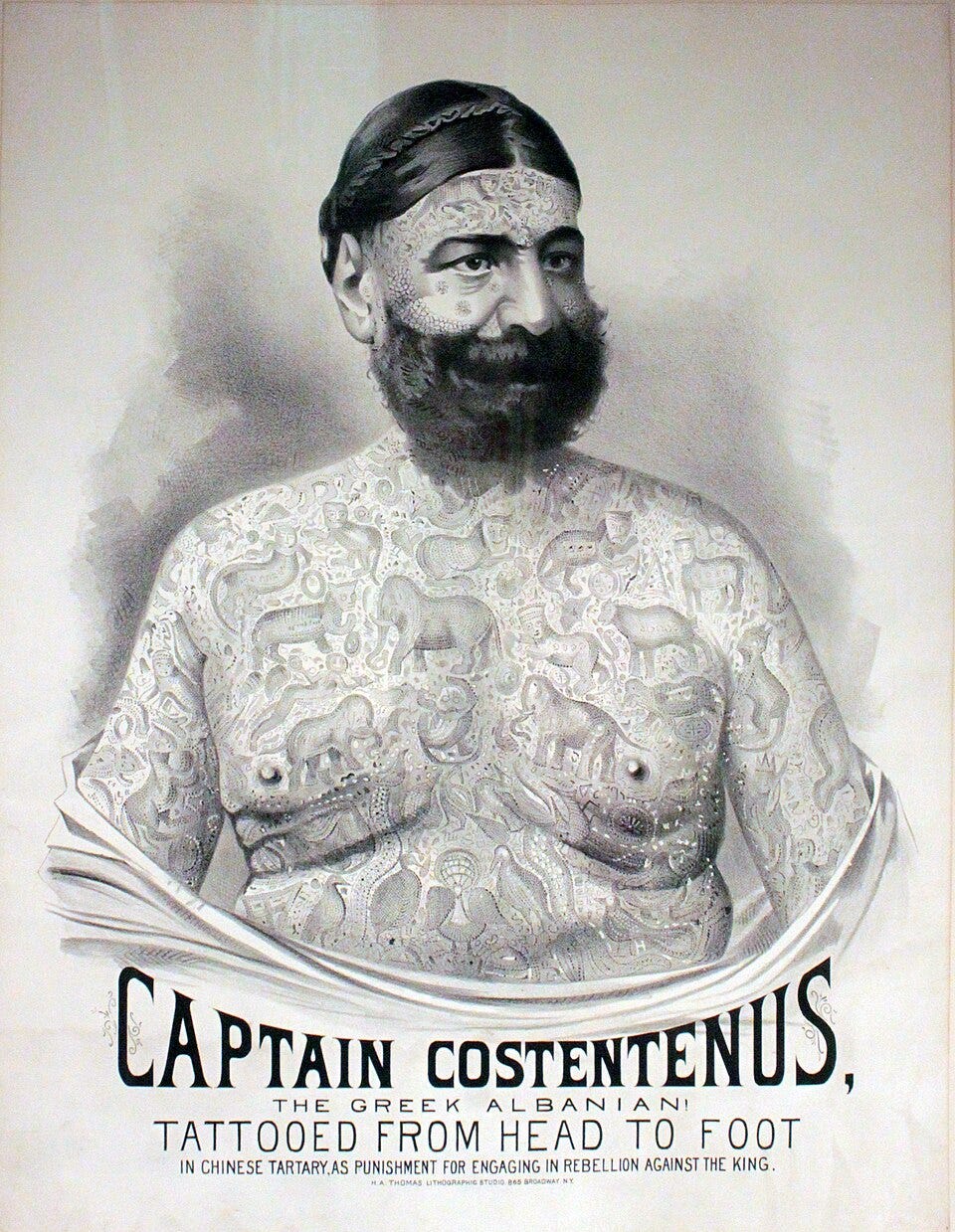
For the purposes of a freak show, a “freak” is defined as a person who is physically deformed or transformed due to an extraordinary medical condition or body modification. The word was first given this meaning in the 1880s as a shorter form of the phrase “freak of nature” – first attested as early as 1839.
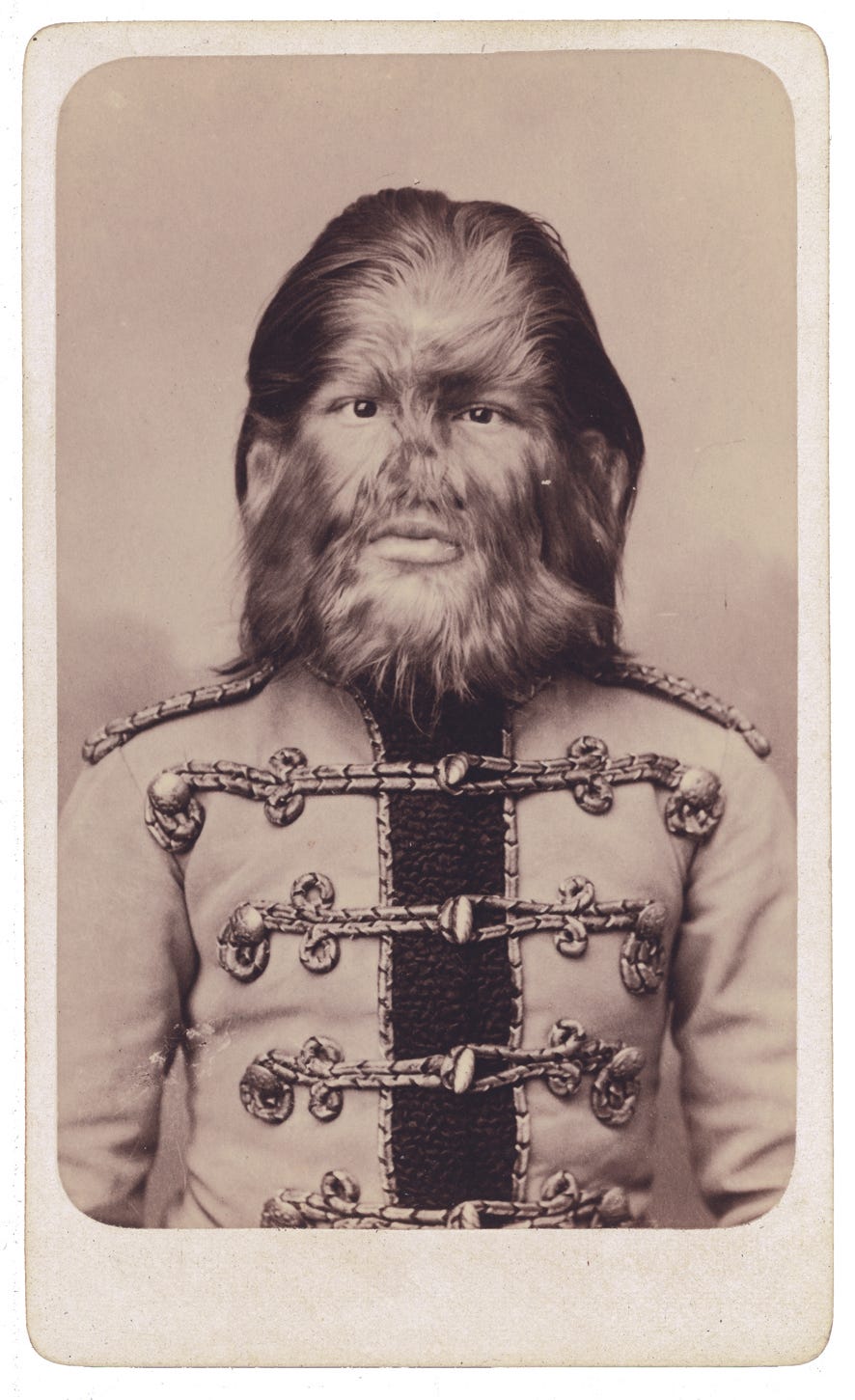
From the early modern period through to the early 20th century, travelling freak show exhibitions and circus sideshows across Europe and United States presented audiences with people whose bodies, abilities or appearances fell outside perceived norms. What today might be framed through disability rights or medical understanding was then marketed as spectacle.
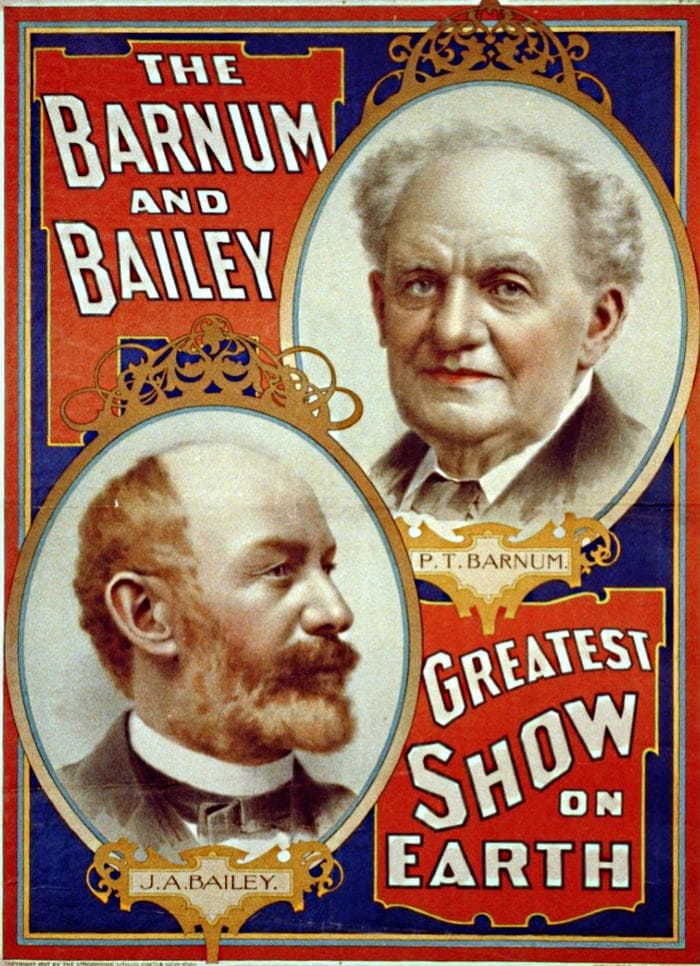
The term “freak show” itself gained prominence in the 19th century, particularly through the influence of impresarios like P. T. Barnum, whose Barnum & Bailey Circus popularised sideshows as a commercial art form. Barnum blurred fact and fiction, often exaggerating or inventing back stories to heighten intrigue.
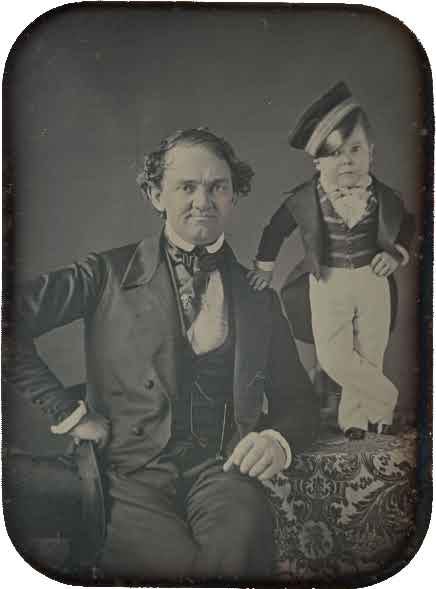
His exhibitions included figures such as General Tom Thumb, a little person presented as a global celebrity, and Joice Heth, whom Barnum controversially claimed was over 160 years old.
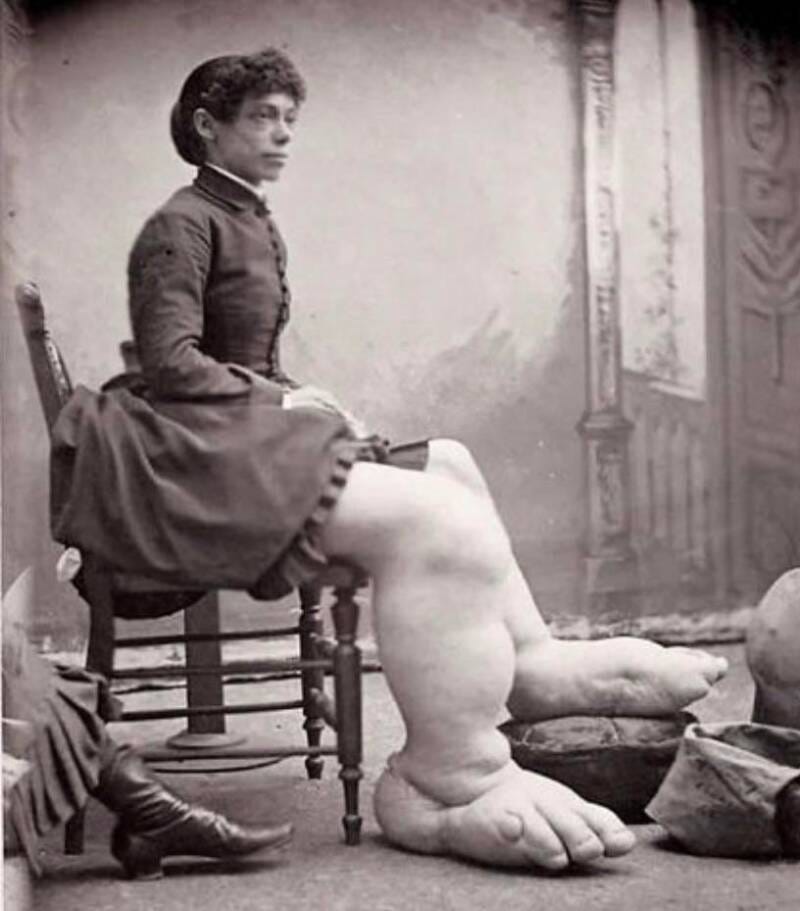
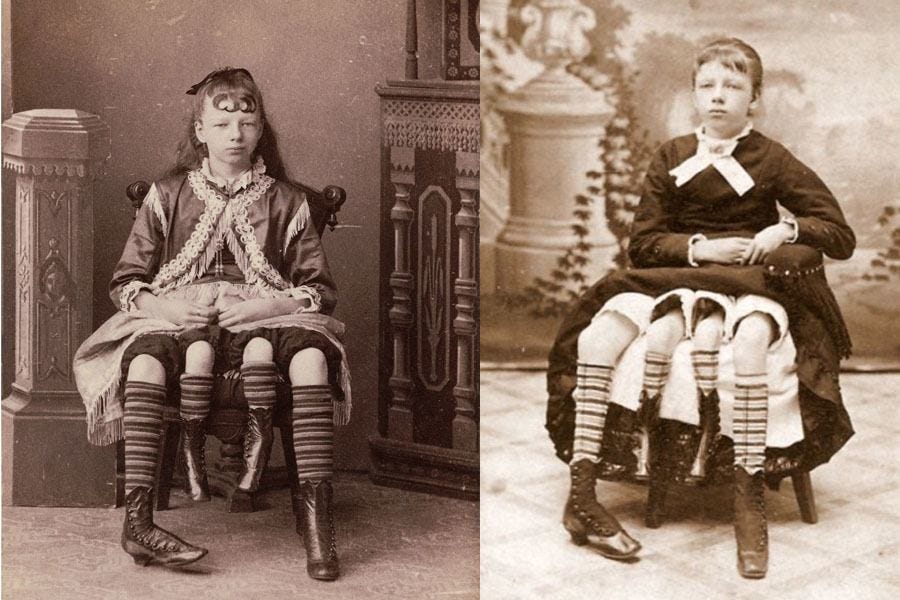
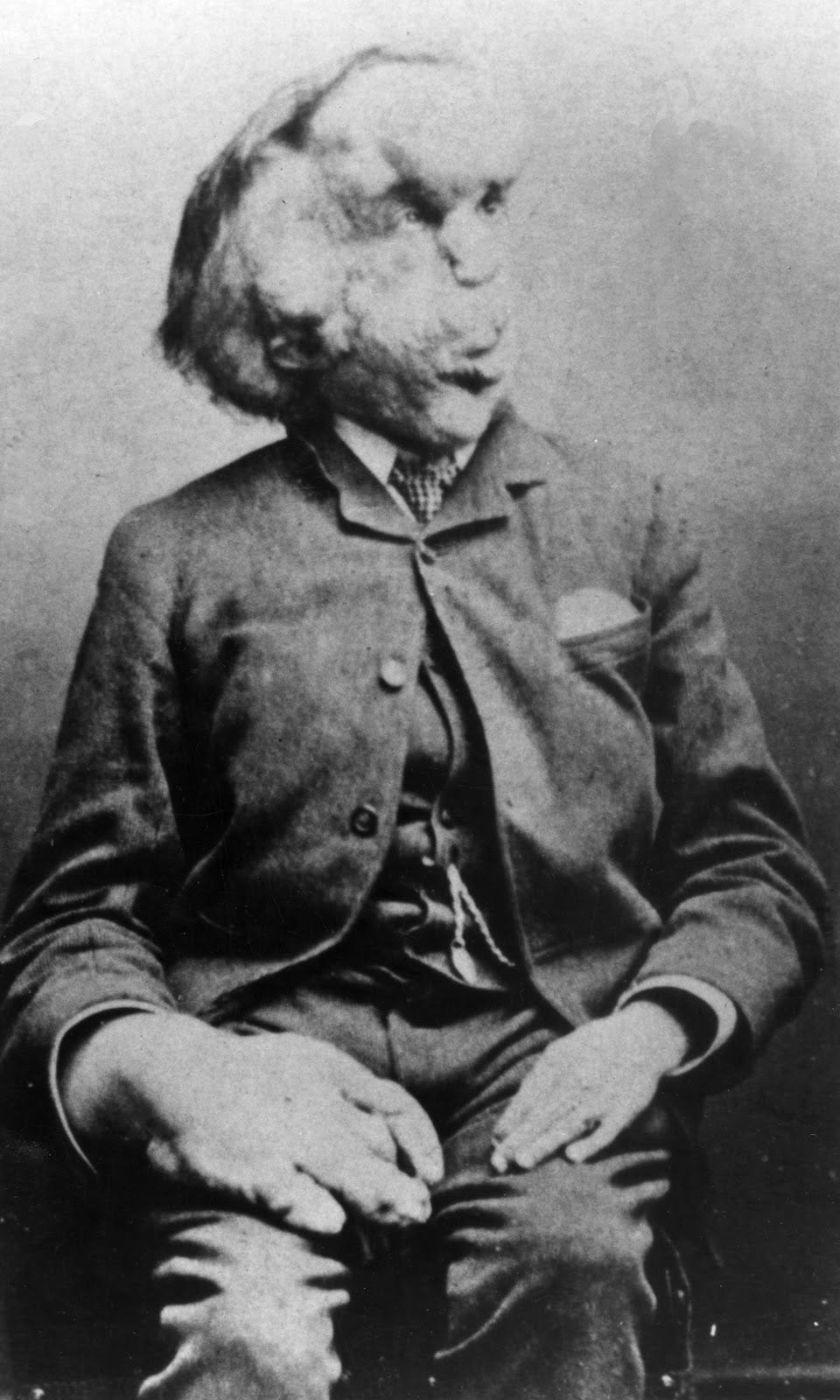
Across the Atlantic, individuals such as Joseph Merrick (aka “The Elephant Man”) became emblematic of the era. Merrick’s severe physical differences drew crowds in Victorian London, but his story reveals a more complex reality: while initially exploited, he later found refuge and dignity under medical care.
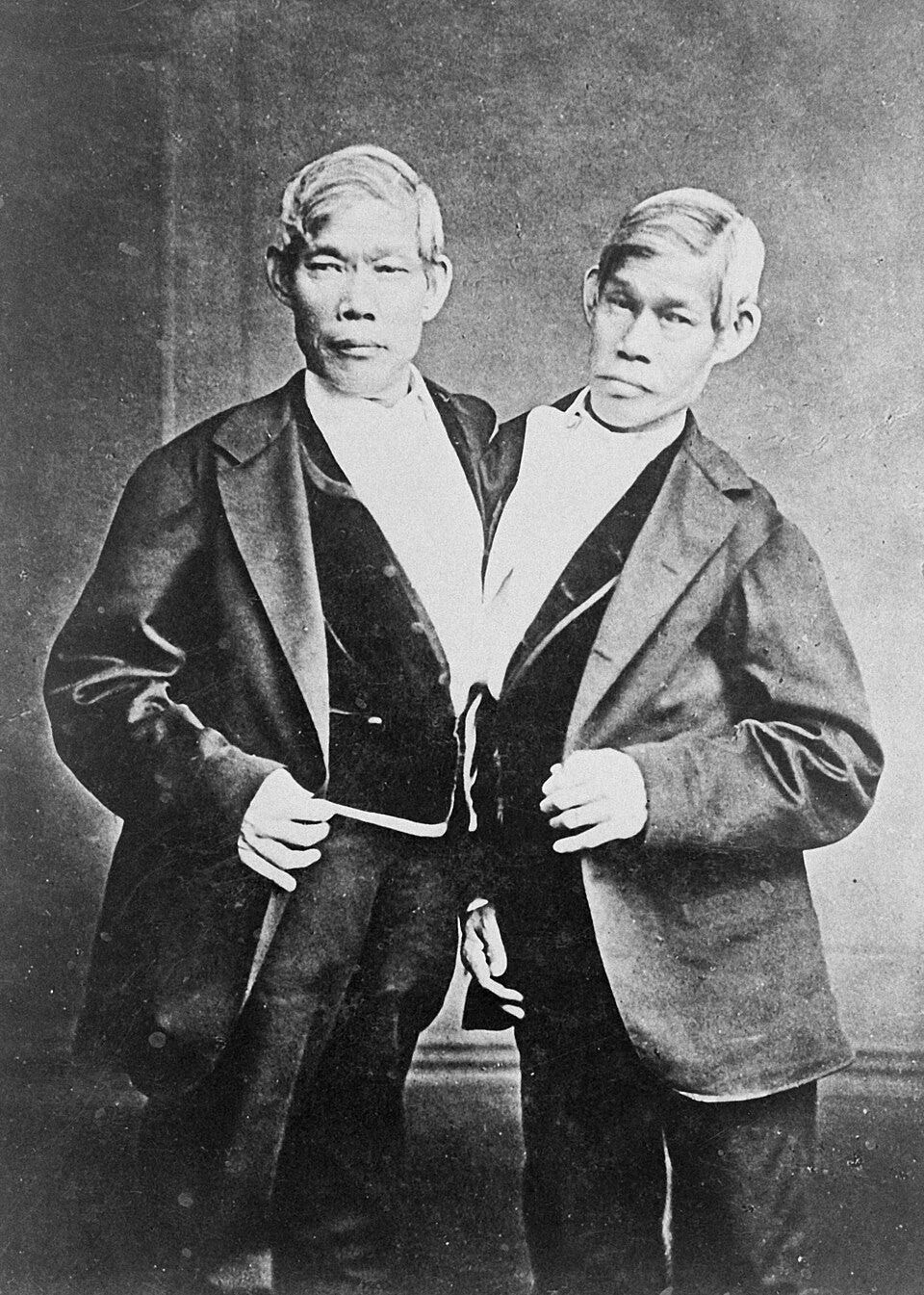
Visually striking performers were central to the appeal. Chang and Eng Bunker, the original “Siamese Twins”, toured internationally and later settled into a relatively prosperous domestic life.
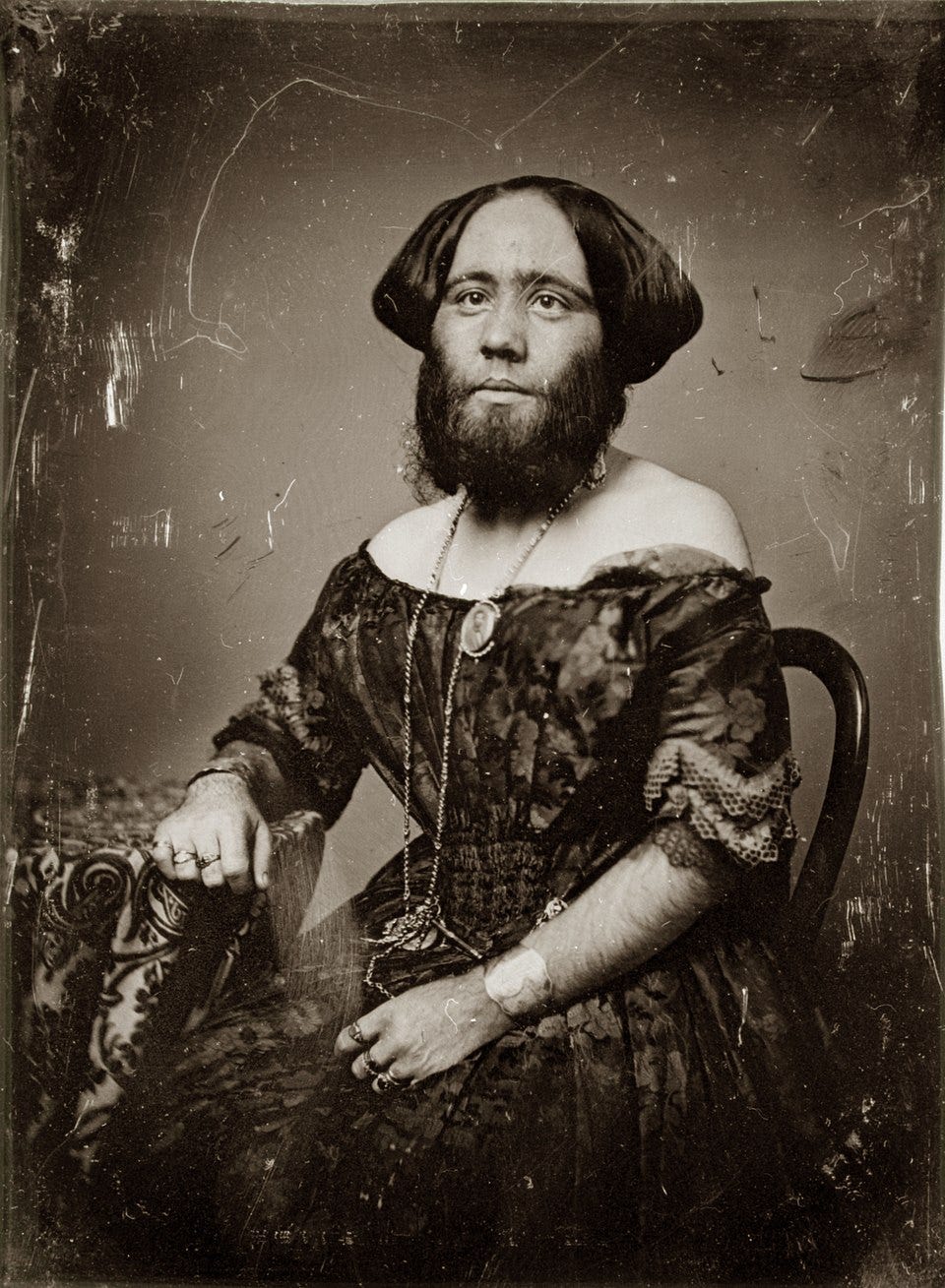
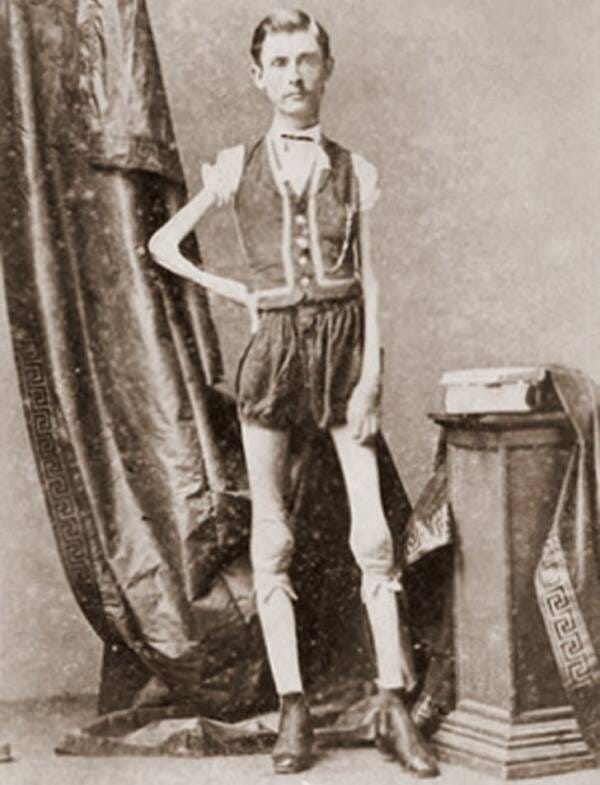
Annie Jones, known as the “Bearded Lady”, challenged gender norms and became one of Barnum’s highest-paid attractions, earning the equivalent of around US$4,500 per week in 2026 money. Meanwhile, Isaac W. Sprague was exhibited for his extreme thinness, his body presented as both marvel and medical mystery.
These displays were shaped by the cultural forces of their time.
The 19th century was marked by rapid urbanisation, colonial expansion and growing public interest in science and classification. Audiences were drawn not only by shock value but by a desire to understand human difference – albeit through a lens that often reinforced social hierarchies. Racialised exhibitions, sometimes called “human zoos”, further reveal how freak shows intersected with imperial ideologies, presenting non-Western peoples as “exotic” or “primitive”.
Yet the economics behind these exhibitions complicate the picture. In an era before social safety nets or worker’s compensation, individuals with severe disabilities or unusual bodies often faced limited employment options. For some, the sideshow offered not just income but agency. Performers like Chang and Eng Bunker accumulated significant wealth, while Annie Jones used her platform to advocate – later in life – against the term “freak”.
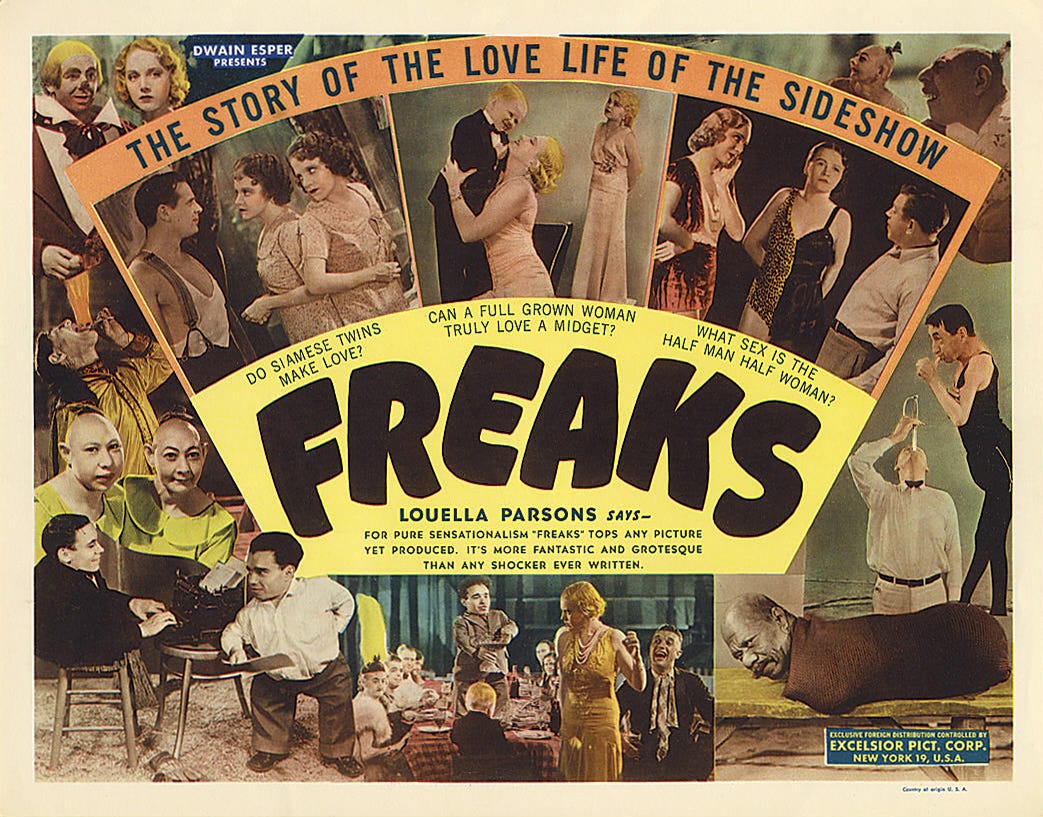
By the early 20th century, freak shows began to decline. Changing social attitudes, the rise of cinema and new medical frameworks that demystified genetic abnormality shifted public perception. By the time disability rights movements gained traction later in the century, such exhibitions were widely condemned as exploitative.
Video
REMORANDOM Chapter

References