



Handedness is an individual’s preferential use of one hand, known as the dominant hand, due to it being stronger, faster or more “dextrous”. About 90% of the population is right-handed, while the remaining 10% are left-handed. Handedness is often defined by one’s writing hand. There are people with true ambidexterity (equal preference of either hand), but it is very rare (only around 1% of the population).
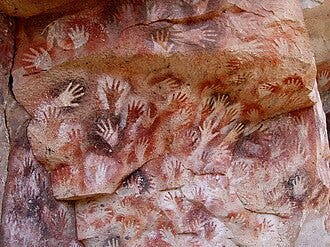
Handedness is partly determined by genetics. While scientists have identified some genes that play a role, they believe that handedness results from a complex interaction between multiple genes and environmental factors. It’s also closely linked to brain lateralisation – the tendency for certain cognitive functions, like language and spatial reasoning, to be dominated by one hemisphere of the brain. For most right-handers, the left hemisphere of the brain is dominant, while for many left-handers, brain dominance is less strongly lateralised.
Handedness typically develops in early childhood. Although some infants may show early hand preferences, consistent handedness usually emerges by age two or three.


The 10% that left-handers make up of the global population has remained consistent across cultures and history. In some cases, left-handed individuals have been stigmatised or forced to switch hands, particularly in cultures that historically viewed right-handedness as “normal” and left-handedness as abnormal or unlucky.
[Ed: As a young person I was taught by nuns at the then Brigidine Convent here in Sydney, and I recall one who would wrap left handers across the knuckles with a ruler!]
The language doesn’t help. The words themselves show prejudice. The Latin roots for right and left are dexter and sinister. Dexter gives us dexterous, meaning nimble, skilled, agile; sinister means evil, dark, wrong.
And there are many negative connotations associated with the phrase “left-handed”: clumsy, awkward, unlucky, insincere, malicious, and so on. In French, gauche means both “left” and “awkward” or “clumsy”, while droit(e) (related to the English “adroit”) means both “right” and “straight”, as well as “law” and the legal sense of “right”. Black magic is sometimes referred to as the “left-hand path”, and indeed, left-handedness was cited as proof of being a witch during the Salem Witch Trials in 1692. At least one woman, Mary Barker, was burned at the stake in part because of her preference for her left hand.
But today, despite some aberrant pockets of remaining prejudice, left-handedness is widely accepted, and many societies have become more accommodating.
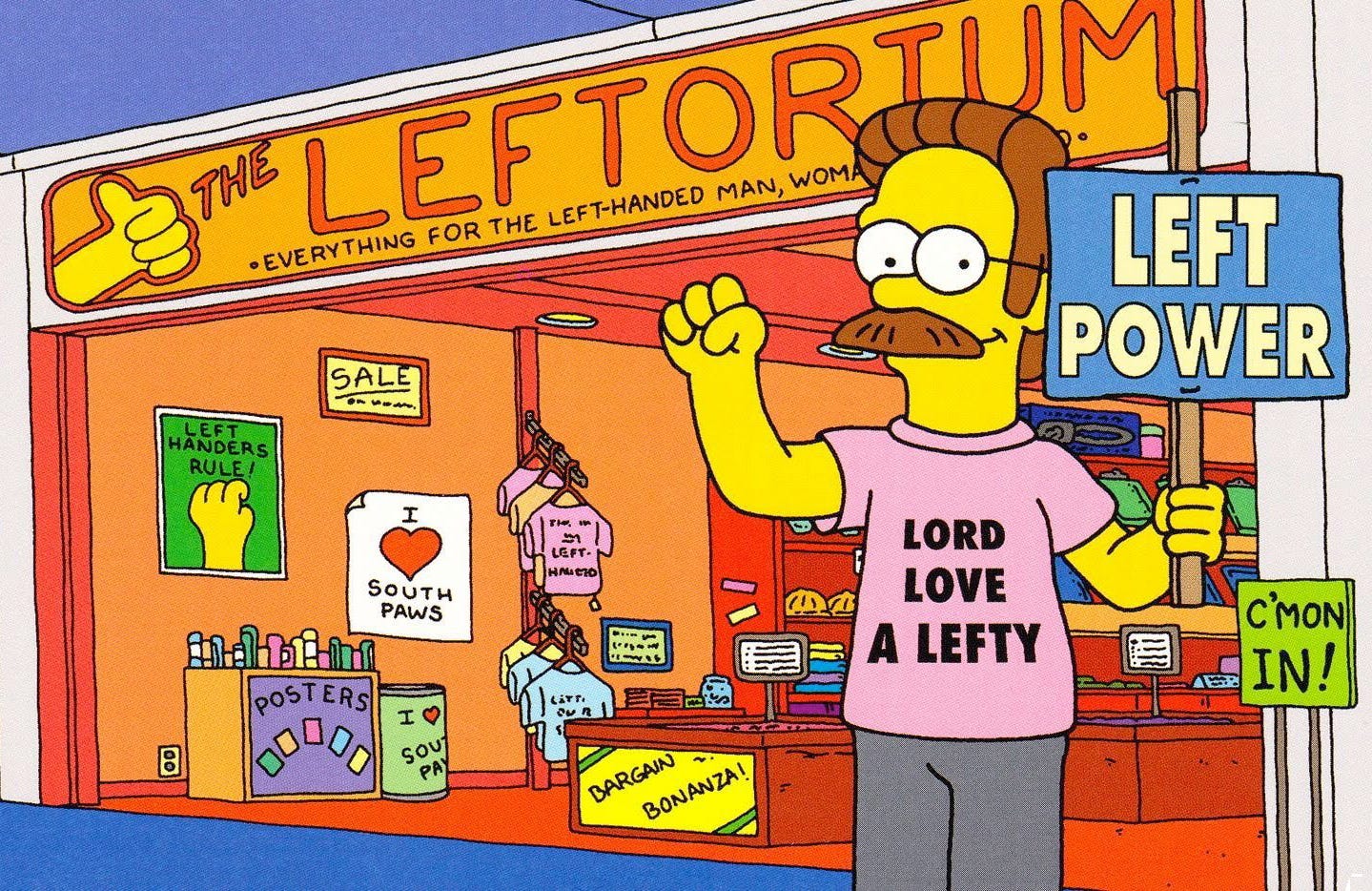
There are myths about handedness relating to enhanced creativity, longevity or susceptibility to mental illness that have been debunked. But the belief that left-handers have an advantage in sports is partly true. It relates to practice. Lefties get to train against righties nine times out of ten, but righties train against lefties only once out of ten times.


International Left-Handers Day is held annually on 13 August. On this day you are more likely to be reminded about impressive lefties from history like Leonardo da Vinci, Michelangelo, Jimmi Hendrix, Bill Gates, Steve Jobs, etc., along with the curious fact that five of the last eight US presidents were/are left-handed: Gerald Ford, Ronald Reagan, George H.W. Bush, Bill Clinton and Barack Obama. Go figure.
Story Idea: Andrea Jansz
REMORANDOM Chapter

References
Also: "left-handed compliment!"
There have been theories, mainly the Doman-Delacato system, that having different dominance in eyes vs. hands can cause some issues in coordination or ... something. It appears to have been debunked.
But I was always fascinated to know that I'm right-handed but left-eyed. Maybe that's what makes me an artist...