



Karaoke カラオケ is a truncated compound of the Japanese words kara 空 “empty” and ōkesutora オーケストラ “orchestra”). Empty orchestra.
It is a globally popular and sometimes annoying form of interactive entertainment usually offered in clubs and bars, where people sing along to recorded music using a microphone. The activity is usually accompanied by the drinking of copious amounts of alcohol.
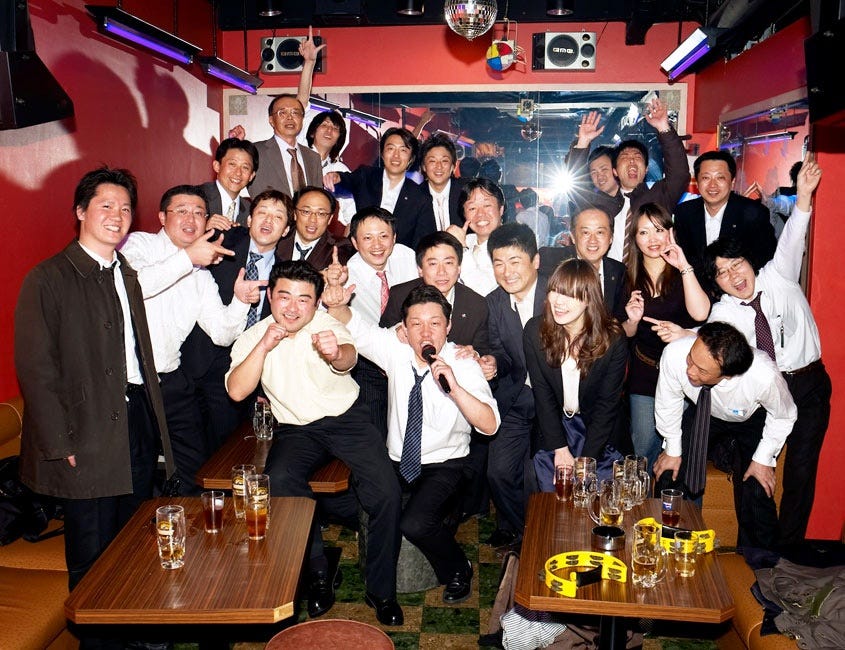
The recorded music is an instrumental version of a well-known popular song, with lyrics typically displayed on a video screen, along with a moving symbol, changing colour, or music video images, to guide the singer.
Karaoke’s roots can be traced back to 1971 in Kobe, Japan when Daisuke Inoue, a nightclub musician and inventor, cobbled together a coin-operated karaoke machine based on an 8-track cassette deck, called the “8 Juke”. It allowed people to sing along to pre-recorded instrumental tracks with lyrics. Inoue loaned the machines to venues for free in exchange for a portion of the monthly earnings.
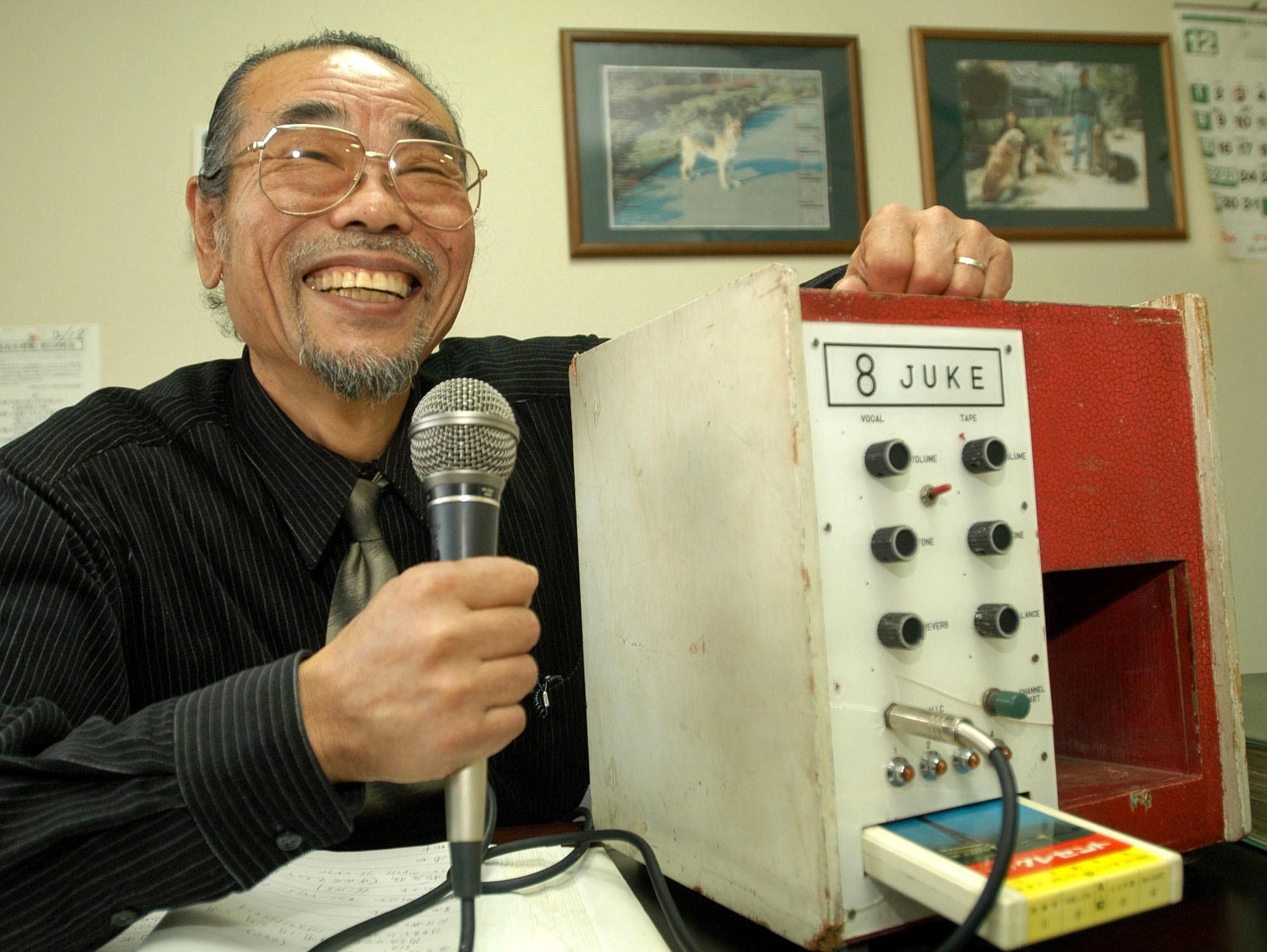
Inoue’s biggest contribution was understanding the difficulty amateurs had in singing pop songs [Ed: We hear you]. He recorded his own versions of popular songs in keys that made them easier for casual singers and included a rudimentary reverb function to help mask singers’ deficiencies. For these reasons, he is often considered to be the inventor of the modern business model for karaoke, even though he was not actually the first person to create a machine and, famously, did not think to file a patent on his creation.
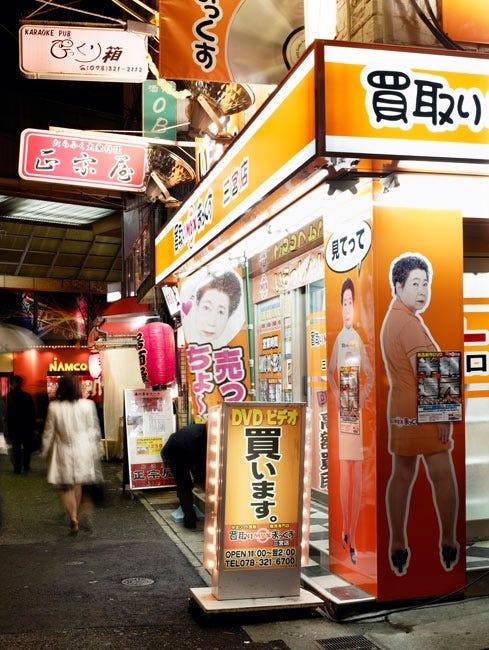
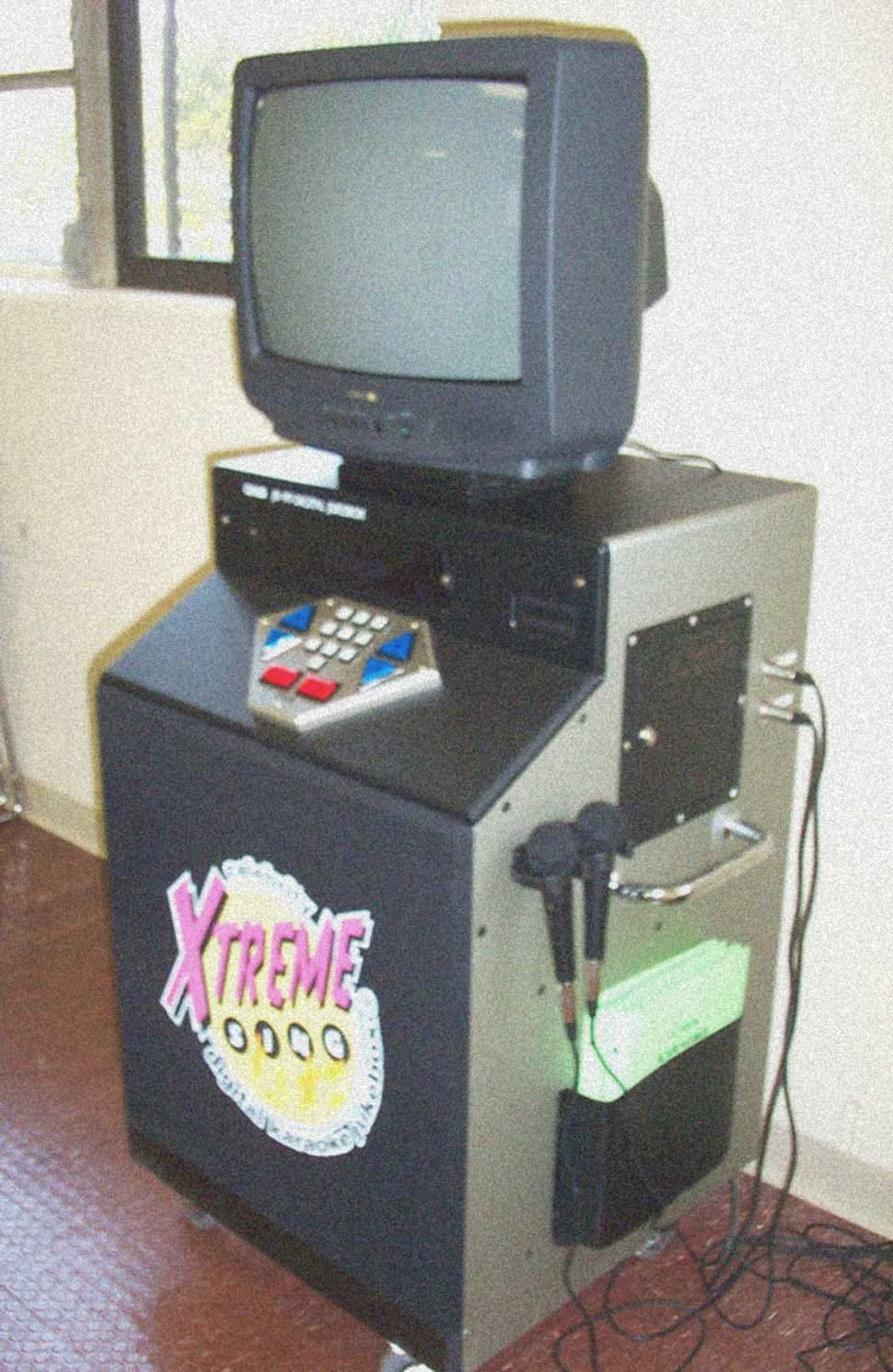
Karaoke gained popularity quickly in Japan, initially as a form of entertainment in bars and clubs. It provided a fun activity for people to enjoy while drinking and socialising. In the 1980s, karaoke began to spread to other parts of Asia, including South Korea, the Philippines and China. It also made its way to the United States and Europe. The machines and systems used for karaoke evolved with the introduction of laser discs, and later compact discs (CDs), centralised servers and the cloud – to store the instrumental tracks and lyrics.
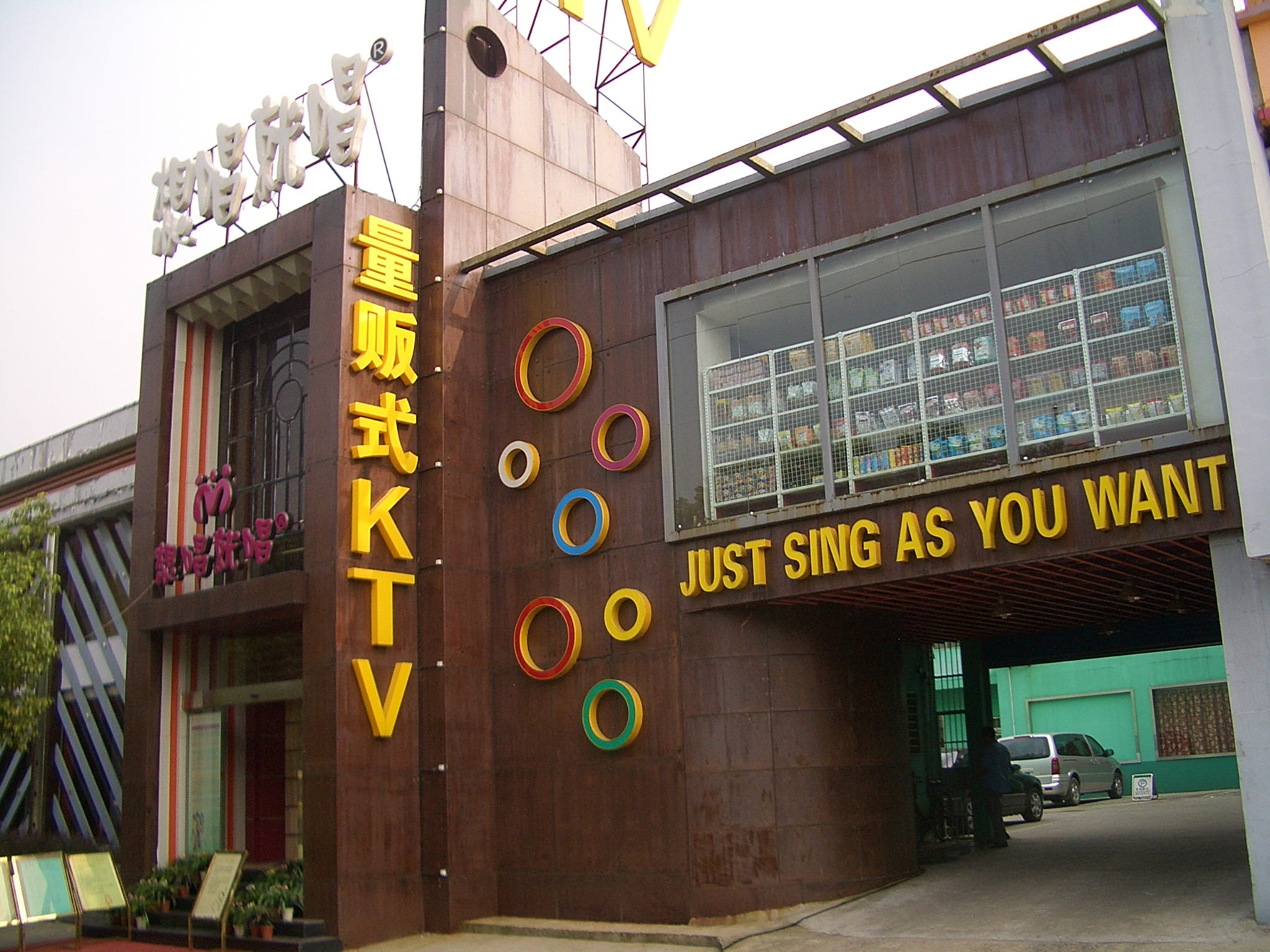
Karaoke culture became ingrained in many countries, with dedicated karaoke bars and lounges opening up. These venues provided a wide selection of songs and often featured private rooms for groups to sing in.
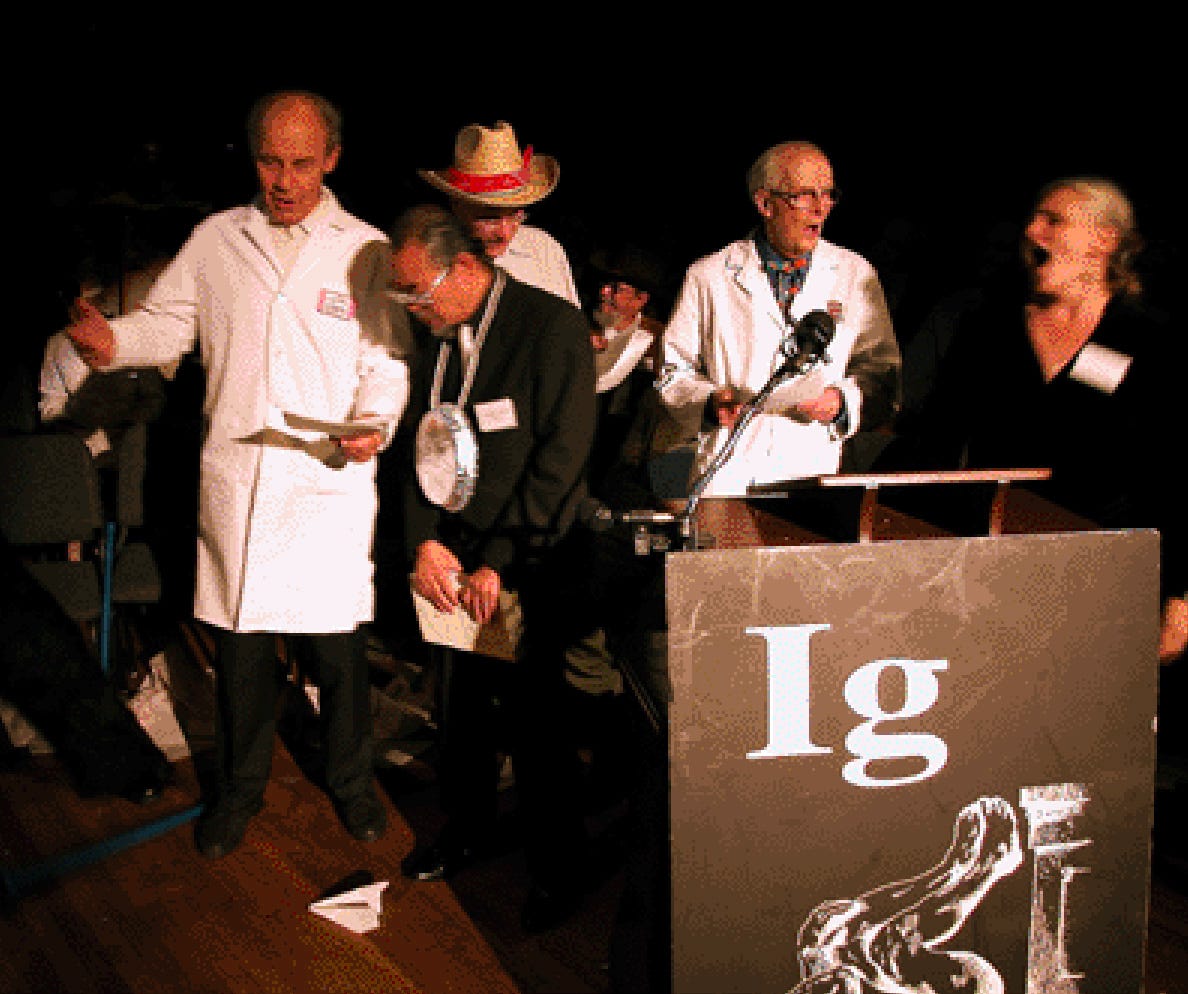
In 2004, Daisuke Inoue was awarded the satirical “Ig Nobel” Peace Prize (awarded since 1991 to honour strange and risible developments in science, technology and culture) for inventing karaoke, “thereby providing an entirely new way for people to learn to tolerate each other”.
Not all karaoke stories are happy ones. Violent reactions to karaoke singing have made headlines in Malaysia, Thailand and the Philippines, with reports of killings by listeners disturbed by the singing. In the Philippines, at least half a dozen killings of people singing Frank Sinatra’s “My Way” caused newspapers there to label the phenomenon “My Way killings”.
To this day, some bars refuse to allow the song, and some singers refrain from vocalising it among strangers. [Ed: Once again, we hear you.]

Videos
REMORANDOM Chapter
References