


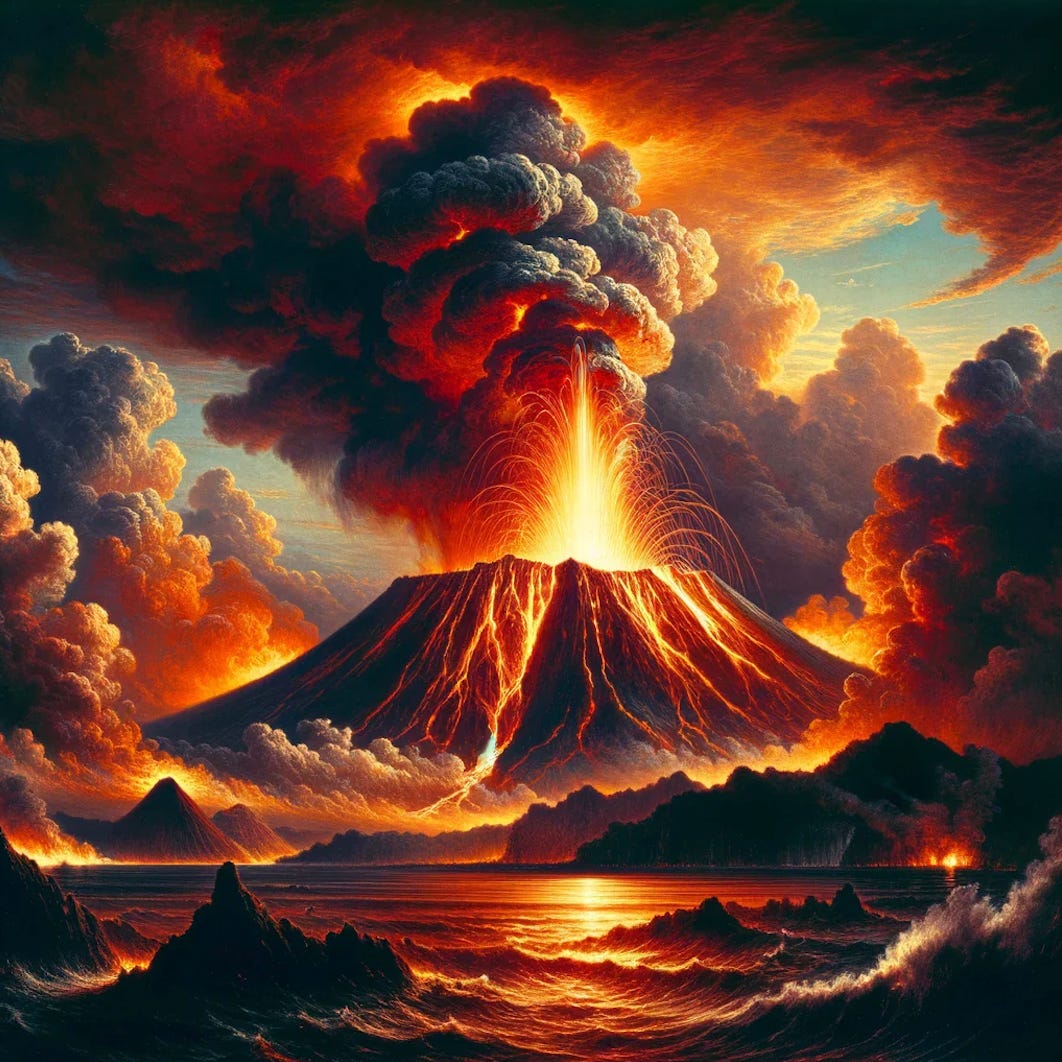
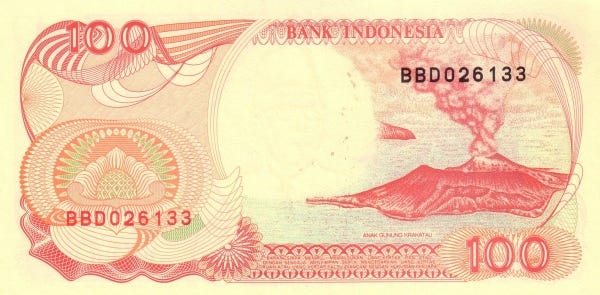
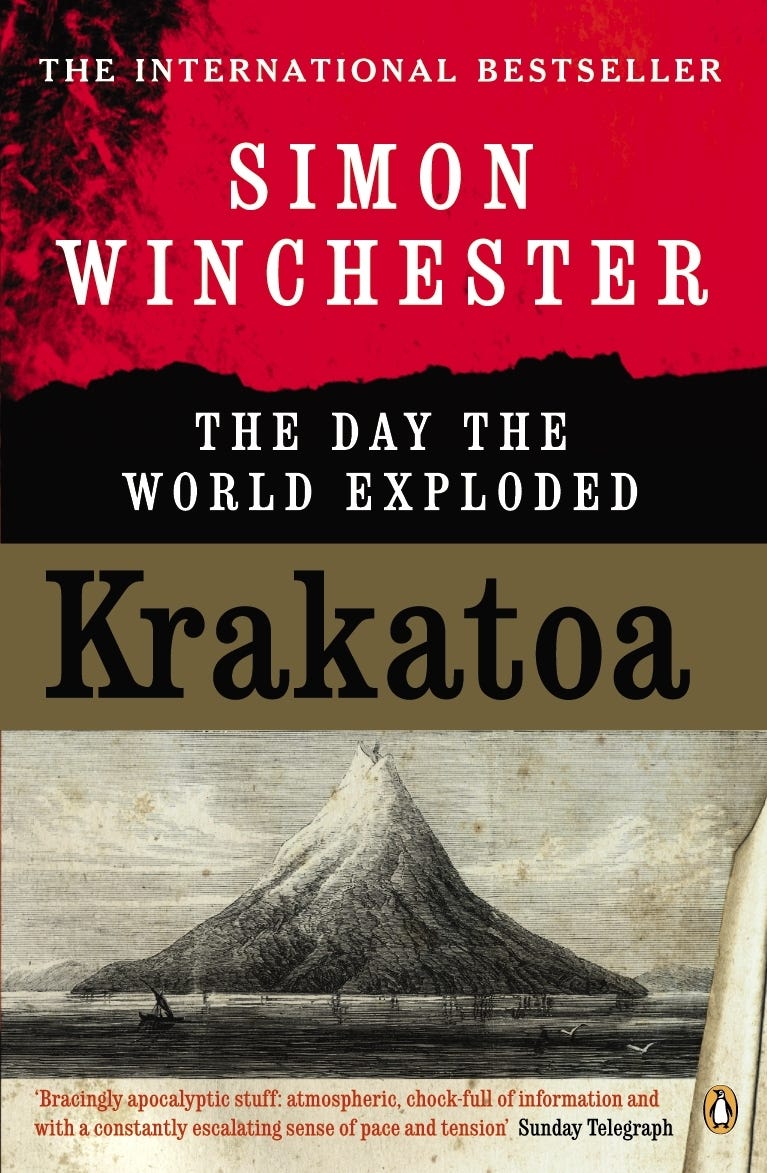
Krakatoa is a volcanic island situated in the Sunda Strait between the islands of Java and Sumatra in Indonesia. It is best known for the cataclysmic eruption that occurred on 27 August 1883, one of the most powerful volcanic events in recorded history.


The third and largest Krakatoa explosion occurred at 10:02am and has been reported as the loudest sound in history. It was heard 3,110km (1,930 miles) away in Perth, Western Australia, and the Indian Ocean island of Rodrigues near Mauritius, 4,800km (3,000 miles) away, where the blast was thought to have been cannon fire from a nearby ship. The energy released from the explosion has been estimated to be equal to about 200 megatonnes of TNT (840 petajoules), roughly four times as powerful as the Soviet “Tsar Bomba”, the most powerful thermonuclear weapon ever detonated. Concussive air waves from the eruption circled the globe several times and were still detectable on barographs five days later.
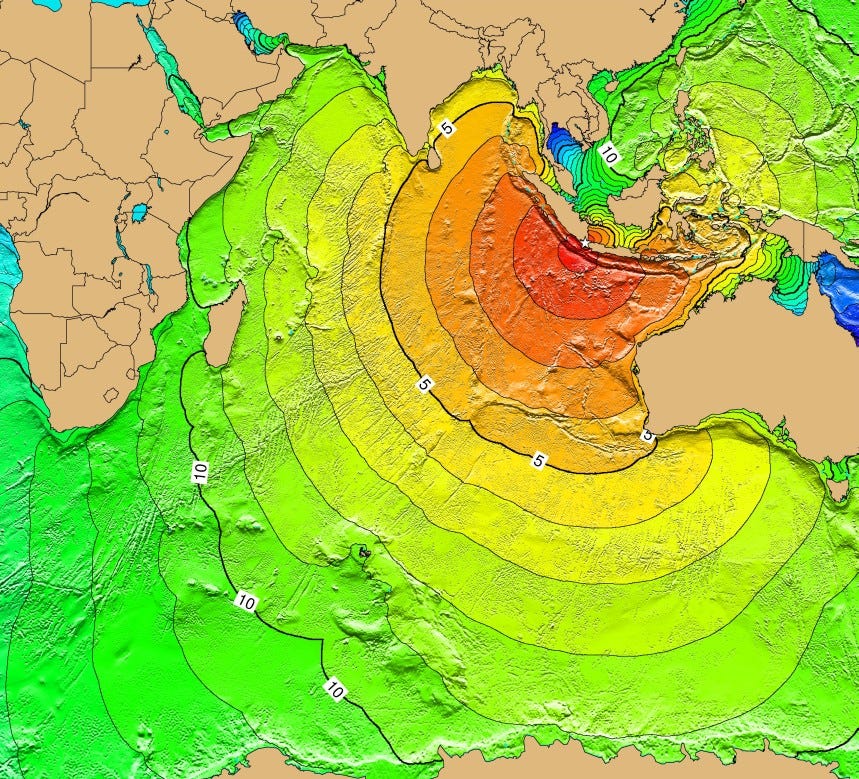
The eruption of Krakatoa resulted in the collapse of much of the island and the formation of a massive caldera. It triggered tsunamis that reached heights of up to 40 metres (130 feet) and caused widespread devastation along the coasts of nearby islands. The official death toll recorded by the Dutch authorities was 36,417.
The eruption also injected large quantities of ash and volcanic gases into the atmosphere, leading to significant climate effects, including vivid sunsets and temperature drops observed worldwide for several years afterward.
British artist William Ascroft made thousands of colour sketches of the red sunsets halfway around the world from Krakatoa in the years after the eruption, and across the Atlantic, according to volcanologist Scott Rowland at the University of Hawaii, the ash caused “such vivid red sunsets that fire engines were called out in New York, Poughkeepsie and New Haven to quench the apparent conflagration”.
In 2004, an astronomer proposed the idea that the red sky in Edvard Munch’s 1893 painting The Scream [RR2:66] is an accurate depiction of the sky over Norway after the eruption.
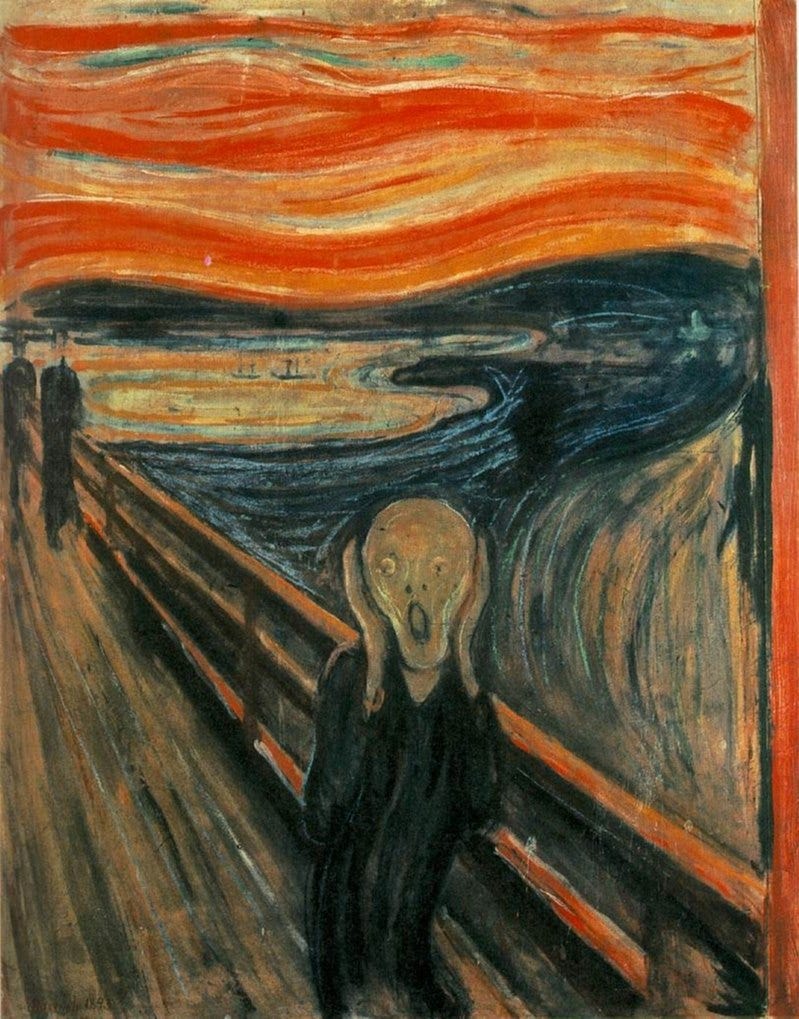
An excerpt from Munch’s diary gives us some insight. On 22 January 1892, he wrote:
“I was walking along the road with two friends – the sun was setting – I felt a wave of sadness – The sky suddenly turned blood-red – I stopped, leaned against the fence tired to death – gazed out over the flaming clouds like blood and swords – the blue-black fjord and city – My friends walked on – I stood there quaking with angst – and I felt as though a vast, endless scream passed through nature.”
Nature was doing the screaming, and not just the artist.
REMORANDOM Chapters


References