


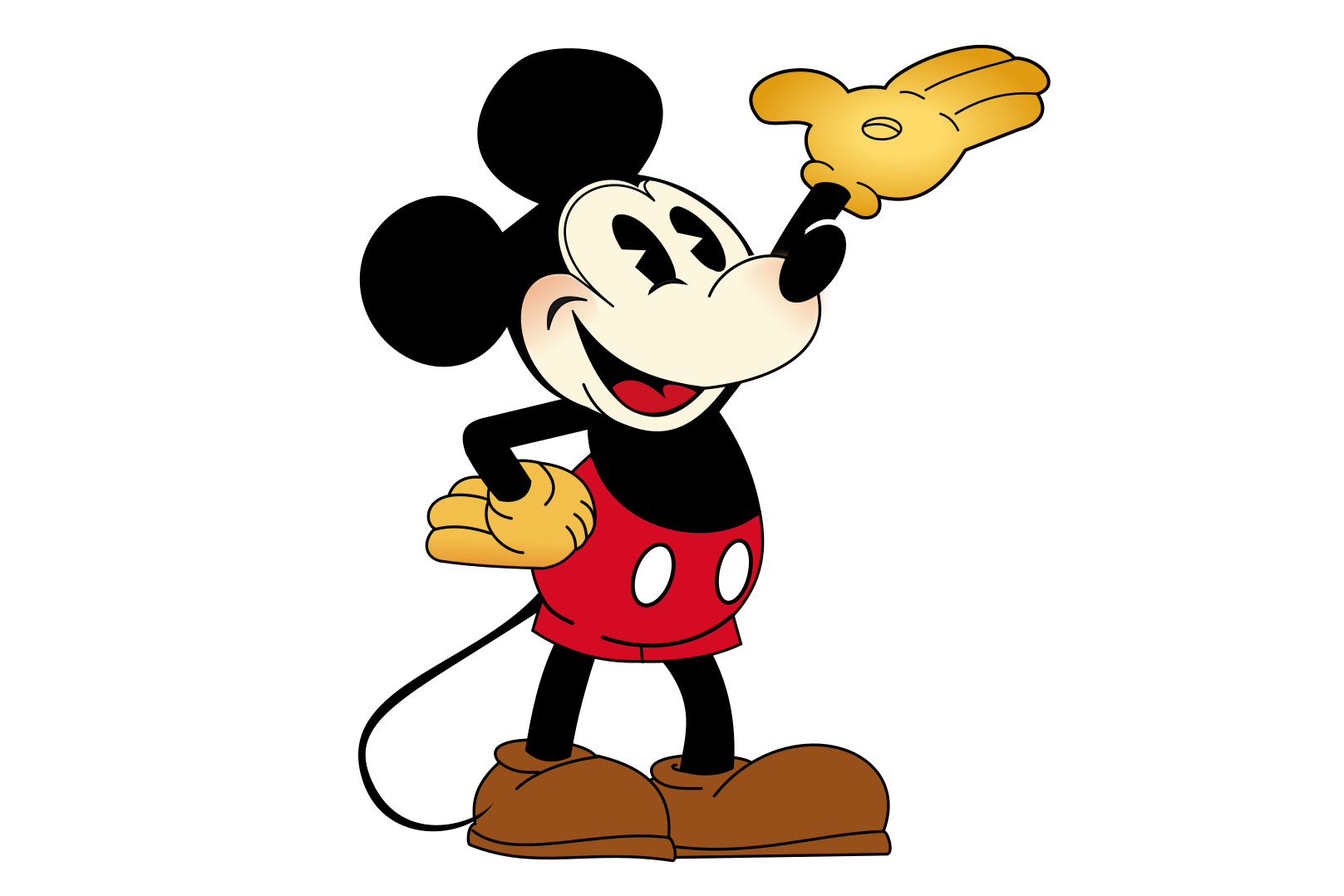
Few fictional characters are as instantly recognisable as Mickey Mouse. With his round ears, red shorts and white gloves, Mickey has become not just the mascot of the Walt Disney Company but one of the most enduring cultural symbols of the 20th century.

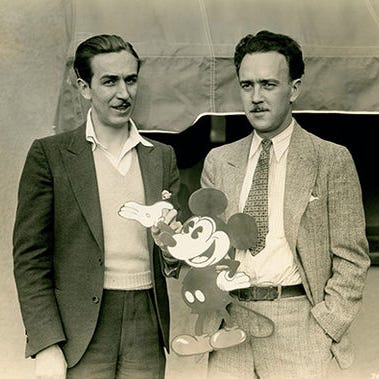
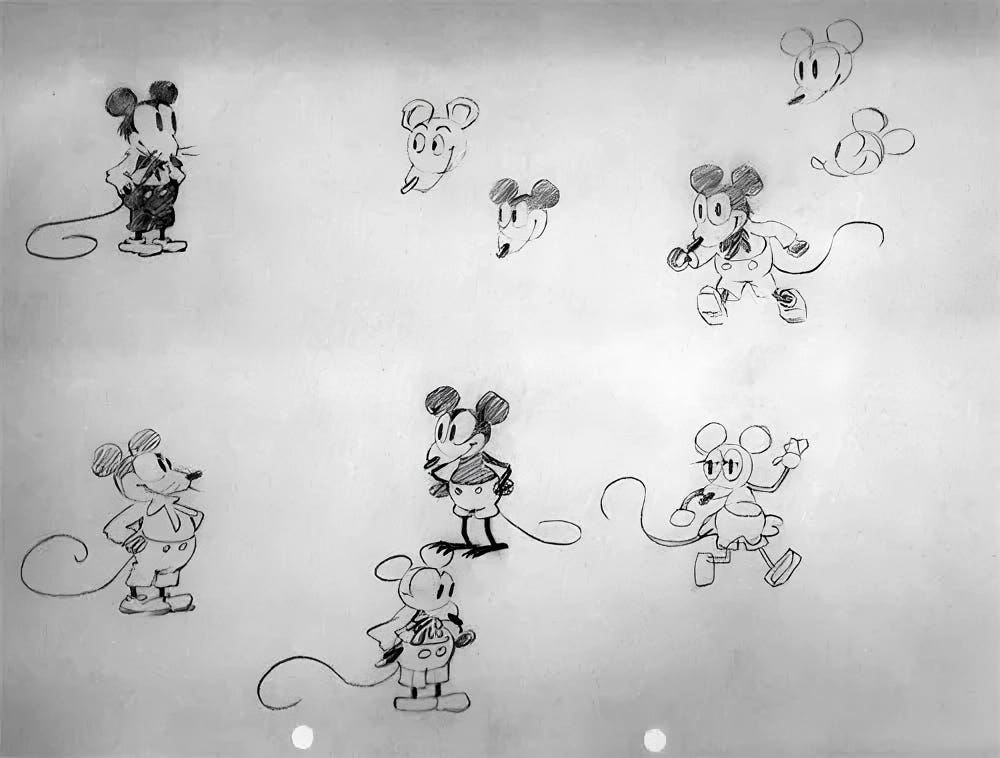
Mickey was created in 1928 by Walt Disney and animator Ub Iwerks during a difficult moment in Disney’s career. Disney had just lost the rights for his earlier character, Oswald the Lucky Rabbit, to the distributor, Universal Pictures. On the train ride home from New York, Disney began imagining a new character who would belong entirely to his studio. Early sketches were refined by Iwerks, an extraordinarily fast and talented animator who helped define Mickey’s distinctive look.
Mickey’s breakthrough came with the 1928 short film Steamboat Willie. While not the first Mickey cartoon produced, it was the first released and one of the earliest cartoons with synchronised sound. Audiences were delighted by the mischievous mouse whistling at the ship’s wheel, and the film became a sensation. It marked a turning point not just for Disney but for animation itself, demonstrating how music, personality and timing could transform simple drawings into living characters.
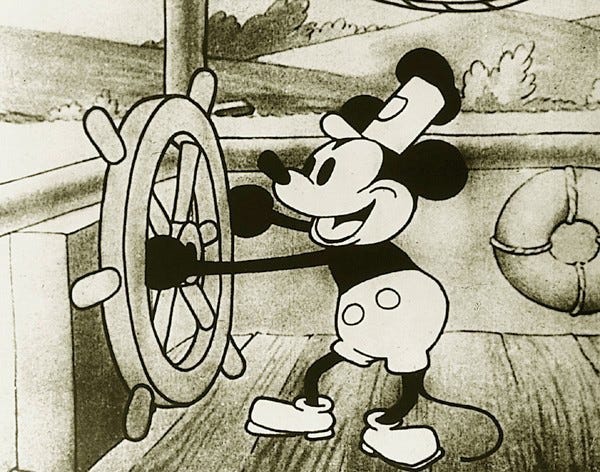
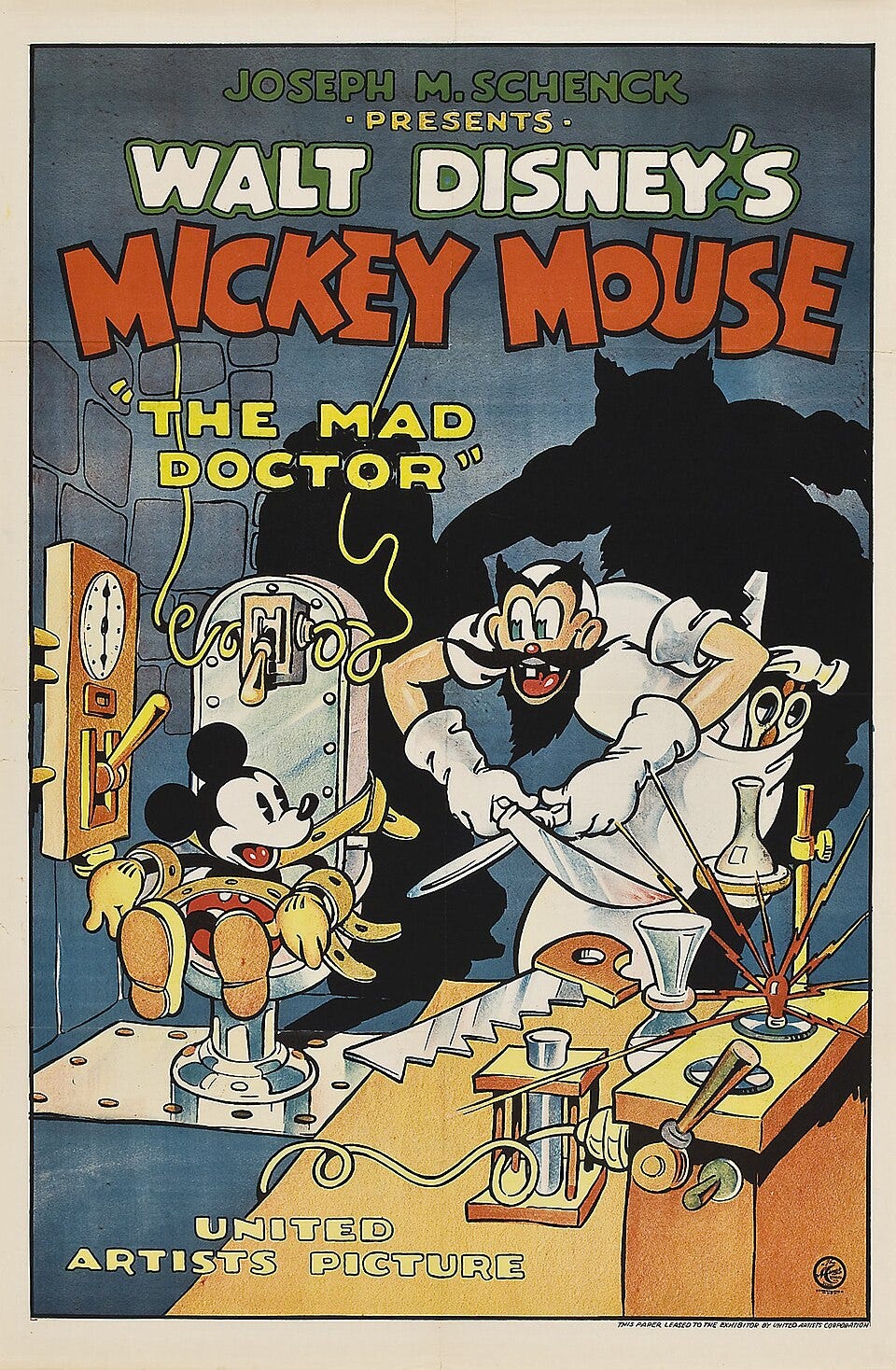
In Mickey’s earliest appearances he was a cheeky, slightly rebellious trickster. Over the 1930s his personality softened into the optimistic, good-natured hero audiences came to love. As the Disney universe expanded with characters like Donald Duck, Goofy and Minnie Mouse, Mickey gradually became the steady centre of the cast rather than the most chaotic figure. His design also evolved – his body became rounder and his eyes gained pupils. [Ed: Phew!]
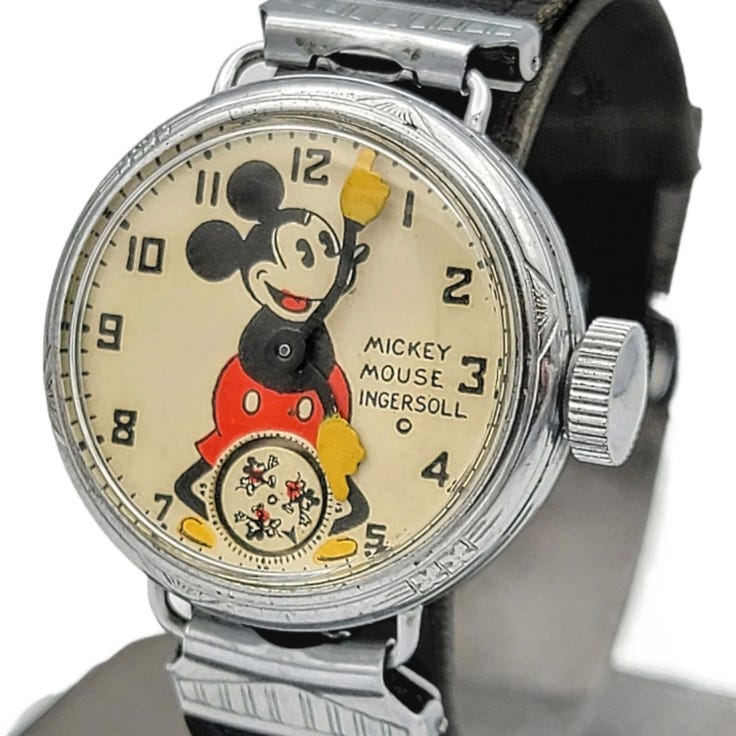
Mickey’s popularity exploded beyond the screen. By the early 1930s he was appearing on toys, watches, comic strips and school supplies, pioneering the idea of character merchandising. One famous example was the Mickey Mouse wristwatch launched by Ingersoll Watch Company in 1933, which sold millions during the Great Depression and helped keep the watchmaker afloat. Famous wearers over the years have included: Grace Kelly, Andy Warhol, John Lennon, Sammy Davis Jr, Johnny Carson – and even Japanese Emperor Hirohito.
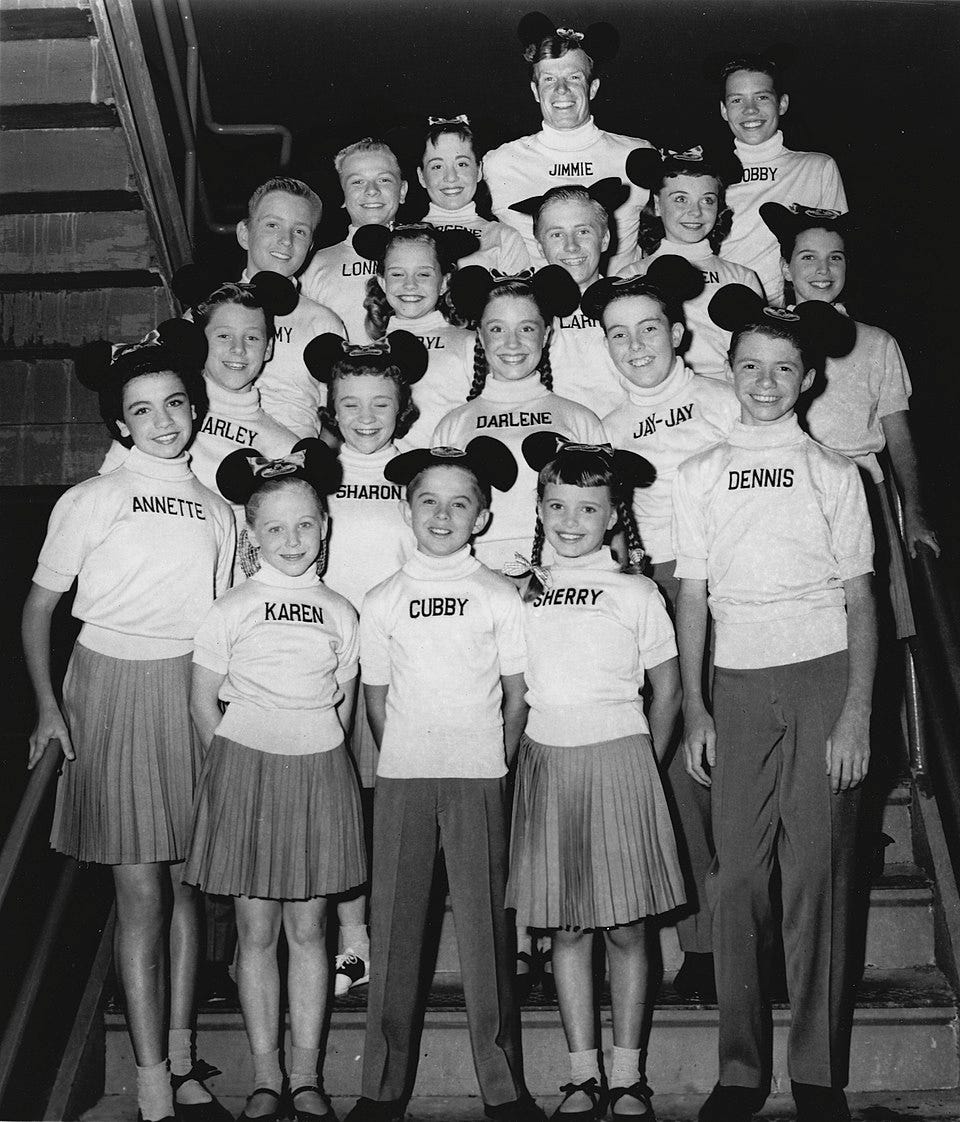
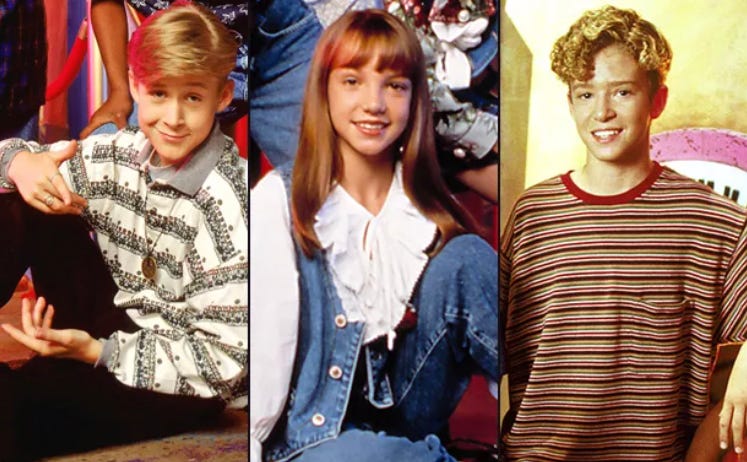
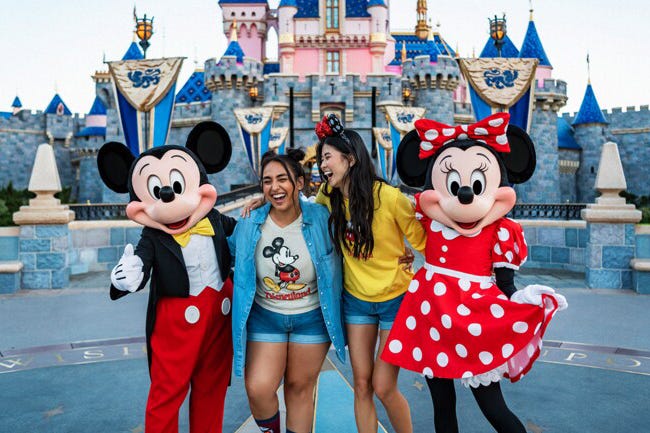
The character also played a central role in Disney’s growing entertainment empire. When Disneyland opened in 1955, Mickey was positioned as the park’s official host, greeting guests and symbolising the spirit of imagination behind the project. Television extended that connection even further with The Mickey Mouse Club. The show introduced young performers known as the Mouseketeers and became a cultural phenomenon, launching the careers of several future stars – Annette Funicello among them – and in later years Ryan Gosling, Britney Spears and Justin Timberlake.
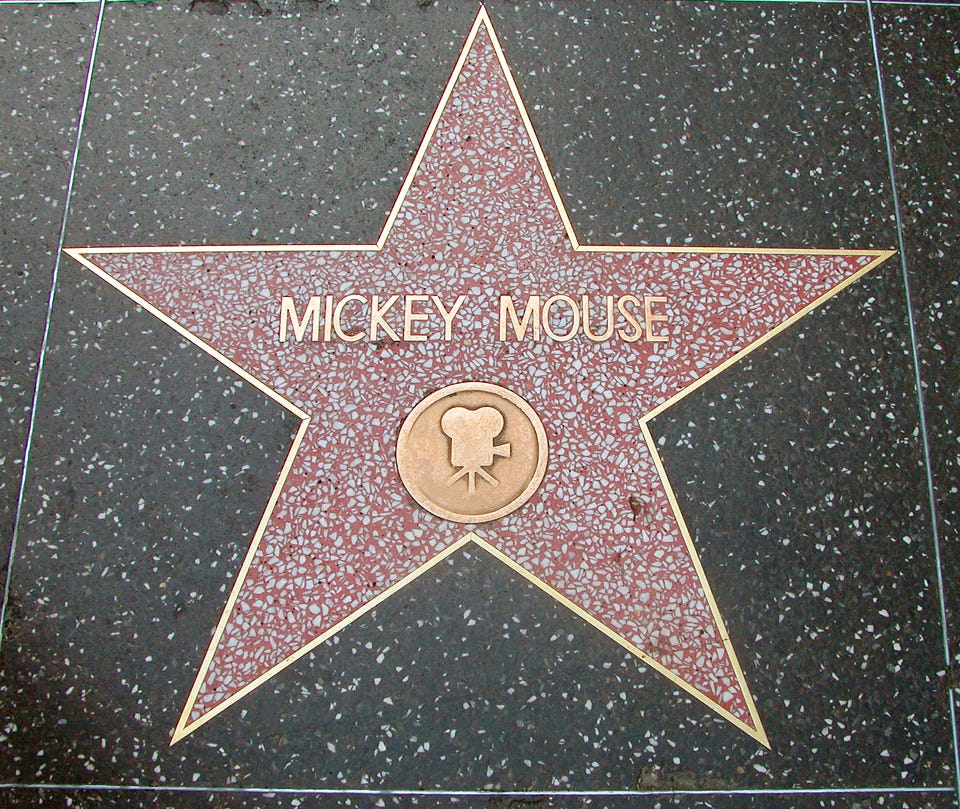
Interestingly, it was Walt Disney himself who provided Mickey’s voice for many years, helping shape the character’s cheerful personality. And in a symbolic milestone, Mickey became the first cartoon character to receive a star on the Hollywood Walk of Fame in 1978, marking his 50th anniversary.
Video
REMORANDOM Books
Order our books on the REMO store website HERE.
Enjoy 20% off for our Black Friday SALE. Enter code: REMO20
Subscribe to receive all future volumes and other printed goodies HERE.
