


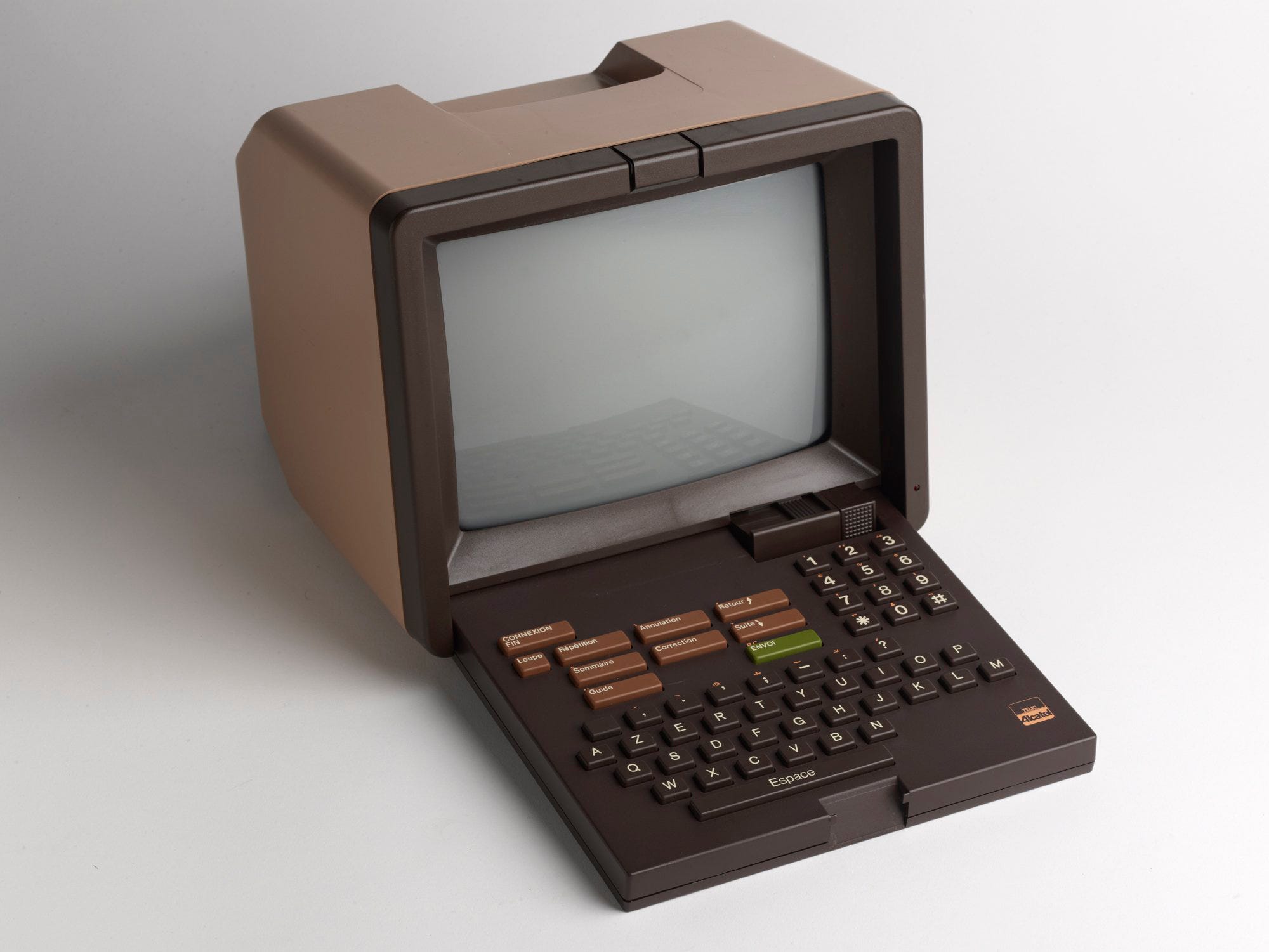
Minitel was a pioneering online service launched in 1980 by the French government through France Télécom (now Orange), making France one of the first countries to embrace digital communication on a large scale. The system provided millions of users with a free terminal – a small device with a screen, keyboard and modem – that connected to the service through telephone lines. Minitel was essentially a national network of interconnected services, and for a time, it offered a glimpse into a digital future that much of the world had yet to experience.


At its core, Minitel served as a text-based information hub, allowing users to access a variety of services that are now standard in the internet age. One of its most popular functions was the electronic phone directory, a revolutionary alternative to printed phone books. That was its killer app. In addition, Minitel offered online shopping, banking and ticket booking for trains and flights, many years before ecommerce became mainstream. It also provided email-like messaging services, chat rooms and forums where users could engage in real-time conversations, as well as news updates, weather forecasts, job listings and text-based games.
What made Minitel truly ahead of its time was its widespread adoption and integration into everyday life. By the mid-1990s, more than 9 million terminals were in use, reaching nearly 25 million people in France. This level of penetration rivalled that of early internet adoption in other countries, and it demonstrated that people were willing to embrace digital services long before the World Wide Web emerged.


Moreover, Minitel introduced many concepts that would later become integral to internet culture, such as online marketplaces, instant communication and digital communities. [Ed: Also, the wasting of time.] And it laid the groundwork for France’s digital economy, generating significant revenue through subscription and usage fees.
Technologically, Minitel was innovative in its use of the Videotex network, which allowed for interactive communication over regular telephone lines. This approach was notable because it provided a functional, decentralised network long before broadband internet became common. While other countries were still using early bulletin board systems (BBS) or basic dial-up services, Minitel offered a unified and user-friendly government-backed platform.


Minitel was a pioneer in online dating, decades before apps like Tinder, Bumble or OkCupid. Services like 3615 Ulla and 3615 Elysa allowed users to connect with potential partners. These services, the sexiest of which were referred to as Minitel Rose (“pink Minitel”) – were text-based but offered a glimpse of what was to come. Minitel dating services became so popular that they helped normalise online relationships in France long before it became a global trend.
Despite its success, Minitel fell into decline in the late 1990s as the internet, with its multimedia capabilities and global reach, became more appealing.
Ironically, Minitel’s failure was that it was too good. Its success and popularity delayed France’s transition to the internet by a decade. While the rest of the world invested heavily in a free and open internet, France dismissed it as an American invention.
Eventually, however, Minitel’s limitations led to its decline. In 2012, France Télécom officially shut down the service, marking the end of an era.
Video
REMORANDOM Chapter
