


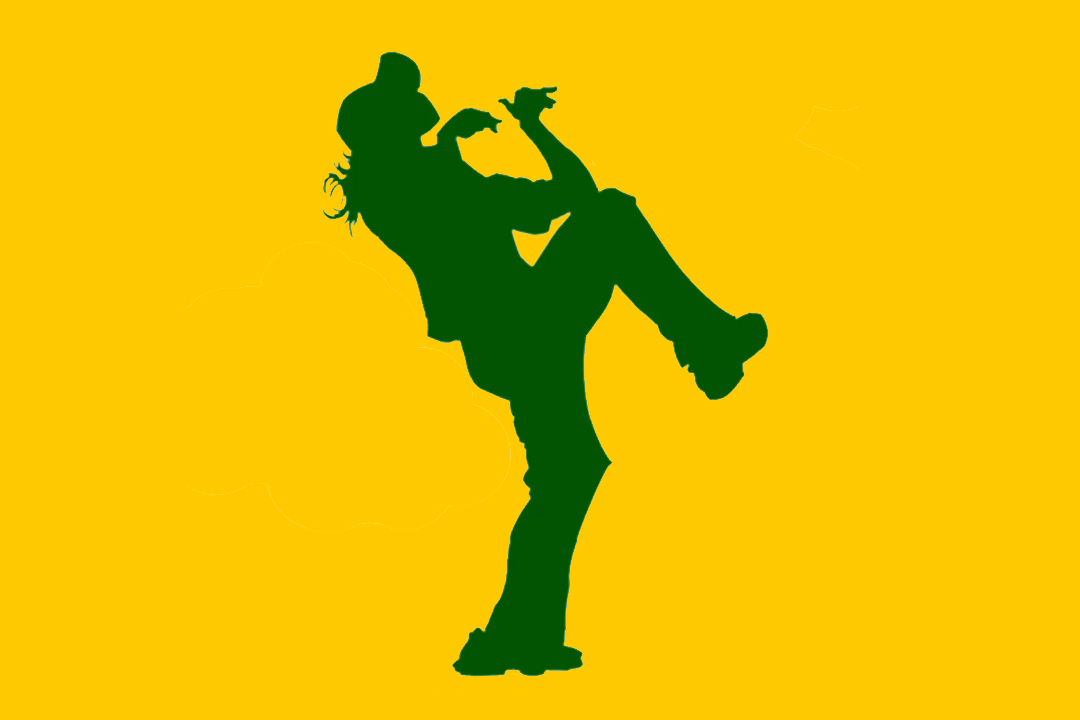
In 2024, Australian academic Rachael Gunn – better known by her breakdancing name Raygun – became one of the most unlikely viral figures in Olympic history.
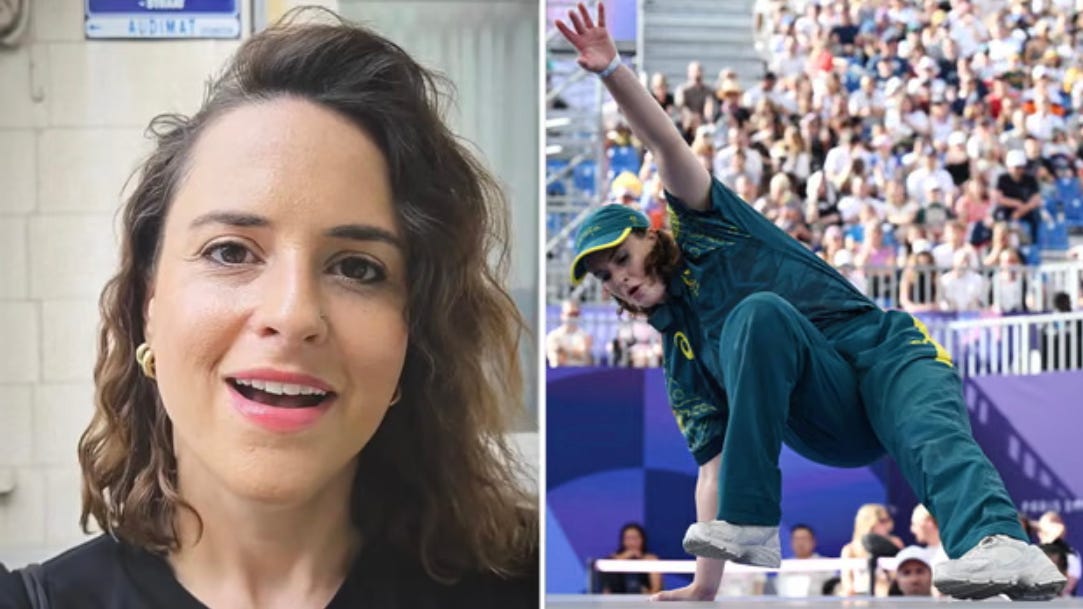
Breaking made its Olympic debut at the 2024 Summer Olympics in Paris, and Gunn, a 36-year-old university lecturer who had studied hip-hop culture, arrived as Australia’s representative in the B-girls competition. She had earned her place through the Oceania qualifying pathway, where the depth of competition was far thinner than in breaking powerhouses such as Japan, France or the United States.
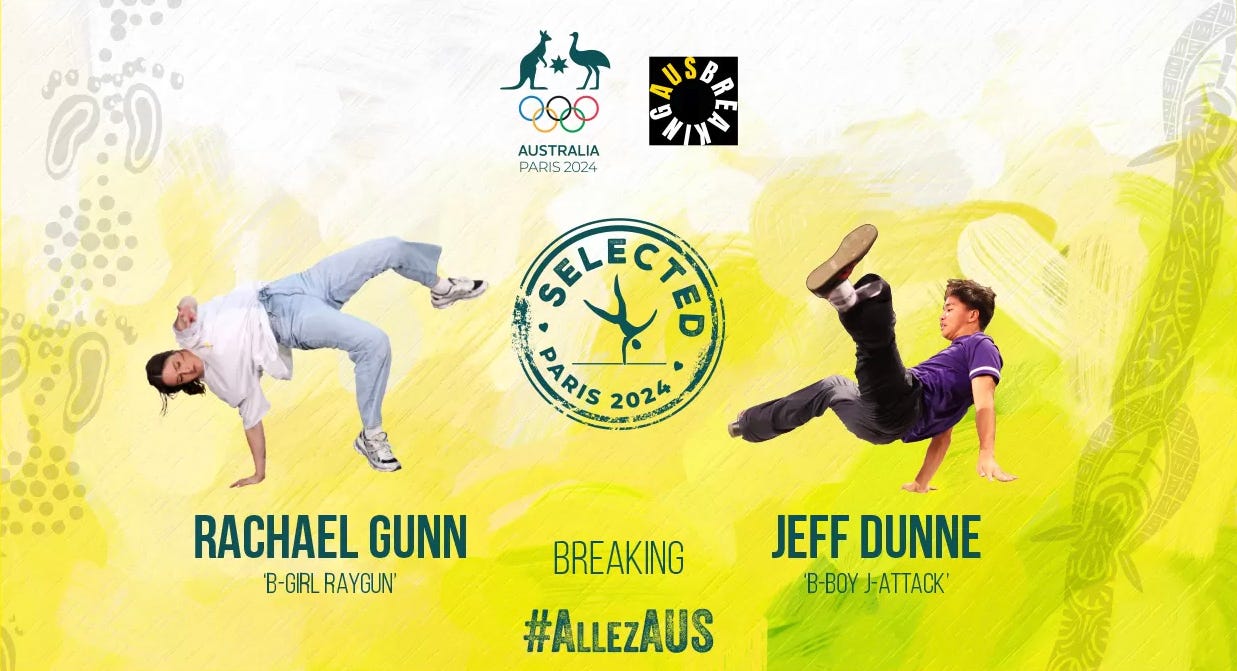
During her Olympic battles, Raygun delivered routines that were unconventional even by breaking standards. Rather than focusing on power moves and acrobatics, she leaned heavily into theatrical gestures and “creativity”. At one point she bounced in what viewers quickly dubbed the “kangaroo hop”. Another move resembled a backyard sprinkler. The judges were unimpressed. She lost all three battles and exited the competition without scoring a single point.
Within hours the clips had exploded across the internet. The performance became a meme almost instantly. Social media users recreated the kangaroo hops, comedians copied the routine, and endless edits circulated online. Her green Australian tracksuit became part of the joke. What might once have been a quirky Olympic footnote instead turned into a global viral moment, introducing millions of people to Olympic breaking for the first time.
The attention soon turned darker. Critics argued that the routine made a mockery of breaking just as the dance style was trying to prove itself as a legitimate Olympic sport. For Gunn, the backlash was intense. She had trained seriously and said she simply wanted to bring creativity and individuality to the floor. Instead she found herself at the centre of a worldwide pile-on. Ouch!
But then the story took an unexpected turn. A Sydney-based comedian Steph Broadbridge created Raygun: The Musical, a parody stage show inspired by the episode. But just before opening night, lawyers representing Gunn contacted the venue and producers arguing that the use of the name “Raygun”, her likeness and signature moves could infringe on her intellectual property and falsely imply involvement. The show was cancelled at the last minute. The move generated fresh criticism online. Many observers felt it was an overreaction and that embracing the joke might have worked better. For some who had previously defended her, this was the moment public sympathy began to cool.
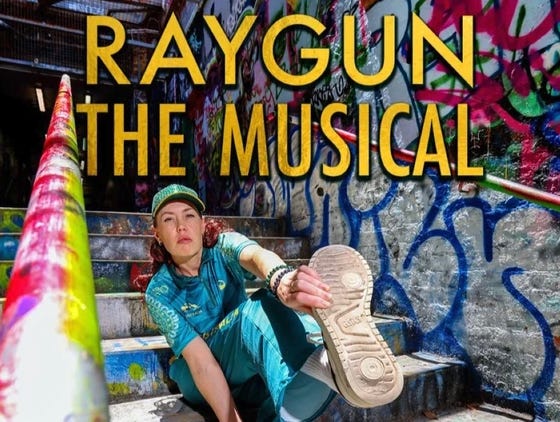
Despite everything, there were supporters. Athletes, commentators and fans pointed out that the internet’s response had become disproportionate, and that the Olympics should still leave room for personality and experimentation.
Postscript
After the shutdown of Raygun: The Musical, the situation cooled. The production was reworked and rebadged as Breaking: The Musical, incorporating the legal drama itself into the comedy. Ironically, the controversy actually boosted interest in the show – a classic example of the Streisand effect [RR7:82].
Videos
Trailer below. Launching TODAY (1 September 2026) on Netflix HERE.
REMORANDOM Chapter
