

The word katana is a compound of kata (“one side, one-sided”) + na (“blade”).
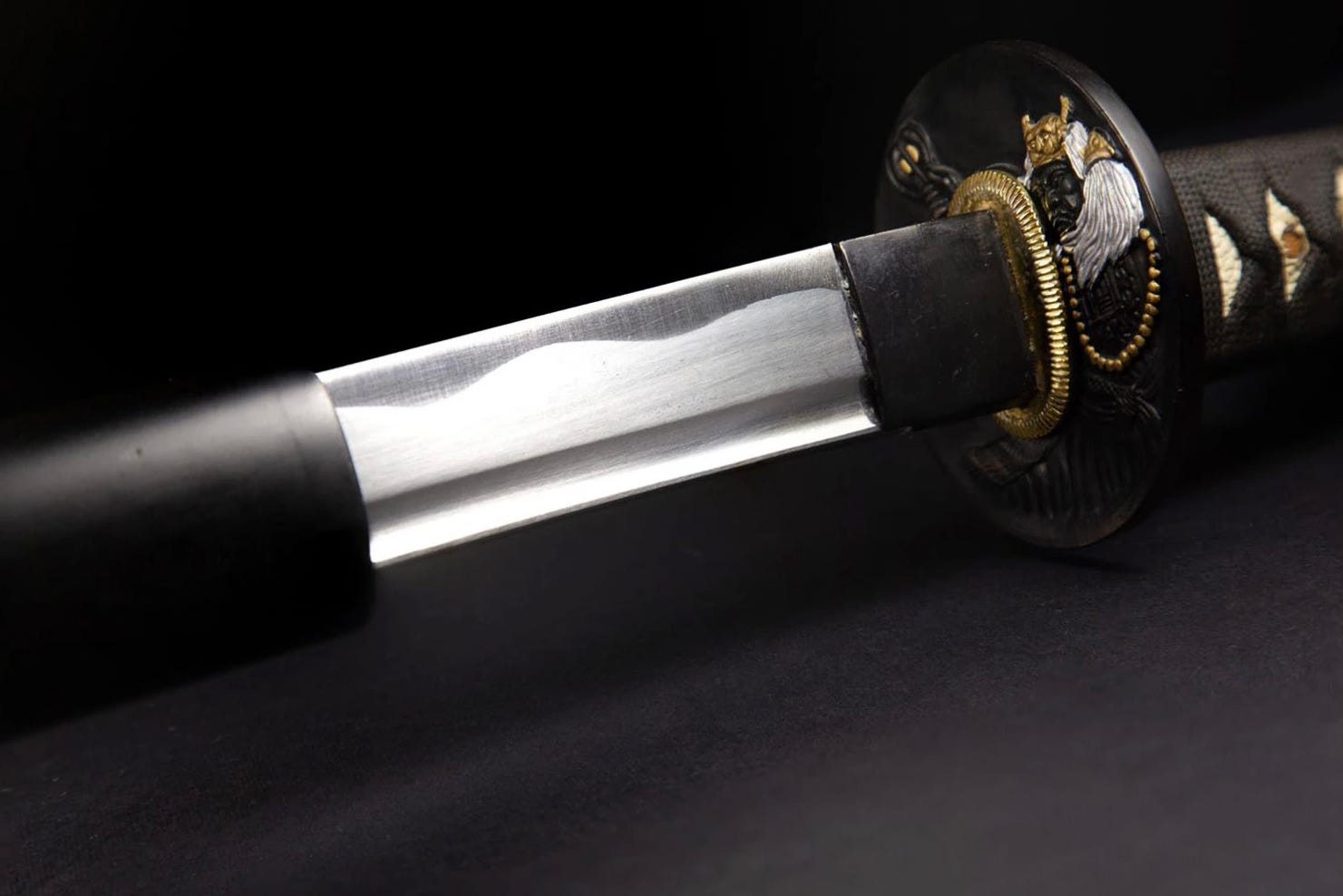
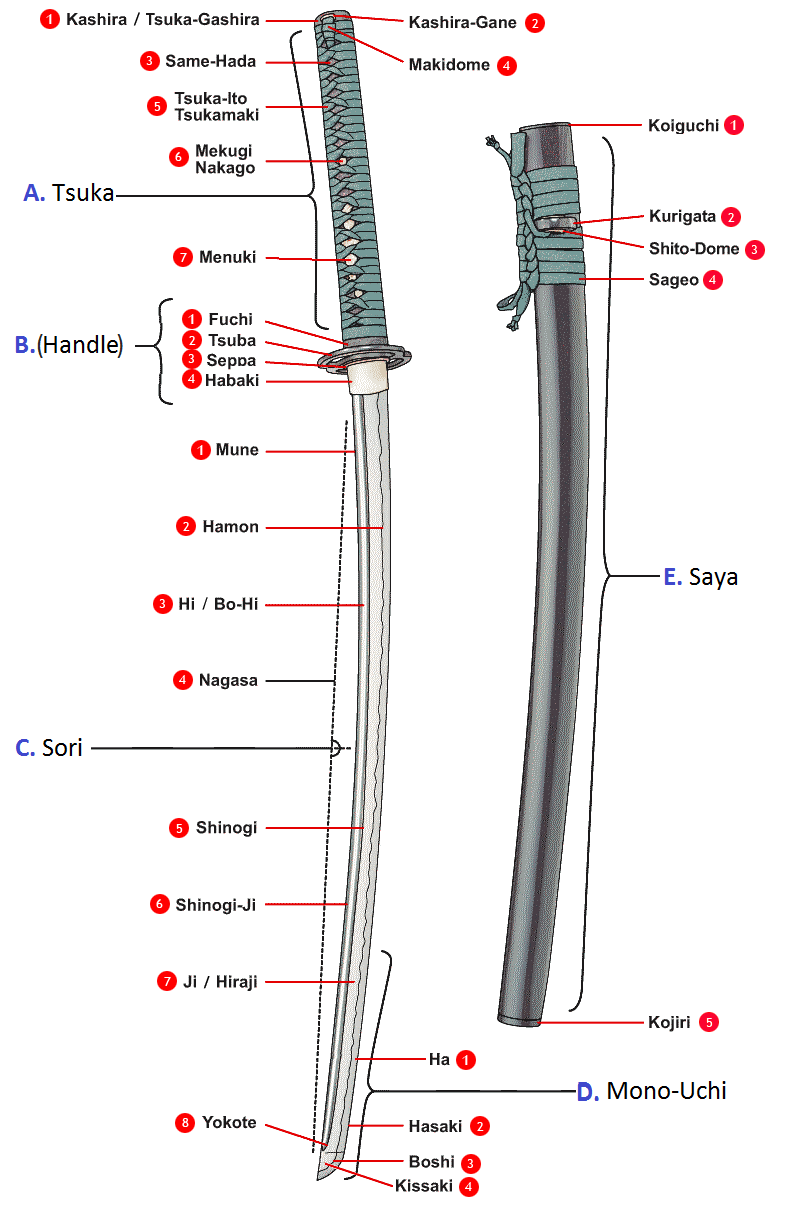
The origins of the katana can be traced back to the 8th century, when Japanese swordsmiths transitioned from making straight blades to creating curved blades to facilitate more effective slashing techniques, particularly for mounted warriors.
During the Heian and Kamakura periods (794–1333), forging techniques advanced significantly, leading to the development of the tachi, a predecessor to the katana. These curved blades, worn edge down, were favoured by the rising samurai class, who regarded swords not only as practical weapons but as symbols of their elevated status. By the Muromachi period (1336–1573), the katana evolved into its distinct form, worn edge up for quicker drawing in combat. It was also during this time that kenjutsu, or the art of swordsmanship, became a refined discipline, emphasising both technique and philosophy.


During the Edo period (1603–1868), prolonged peace under Tokugawa rule reduced the need for swords in battle. The katana instead became a profound symbol of the samurai’s identity and their adherence to the bushidō code of honour and discipline. This era also saw the pinnacle of artistic craftsmanship in sword-making, with artisans creating blades that balanced functionality with exceptional beauty.
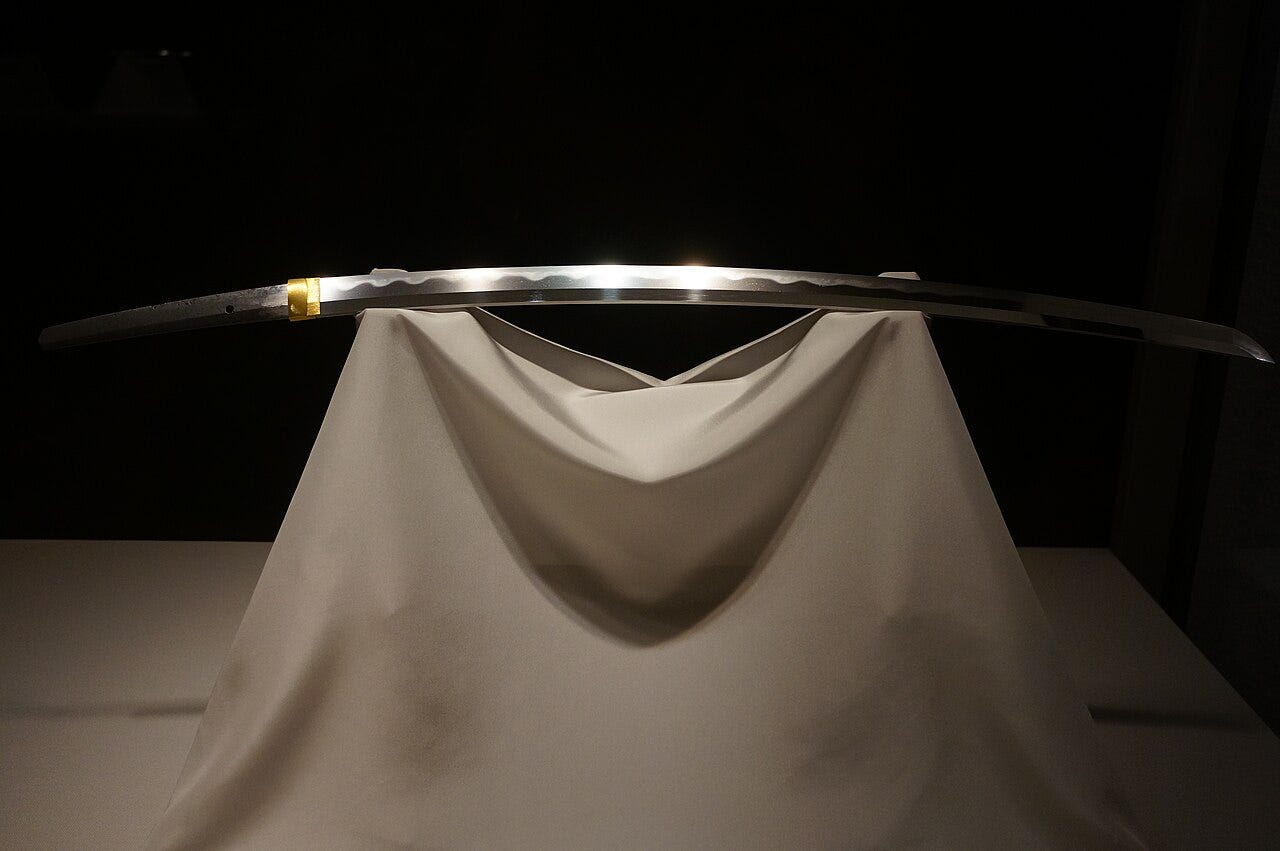
The katana is far more than a weapon, it is a symbol of the samurai’s soul, embodying values of honour, loyalty and discipline. It also showcases the artistry of Japanese craftsmanship, with each sword involving the collaboration of multiple experts, including bladesmiths, polishers and scabbard makers. Techniques such as folding steel (often dozens of times) to strengthen the blade and create intricate patterns (hada) highlight the fusion of utility and artistry. The making of a katana using traditional methodology is a fascinating process. Check it out online HERE or below.
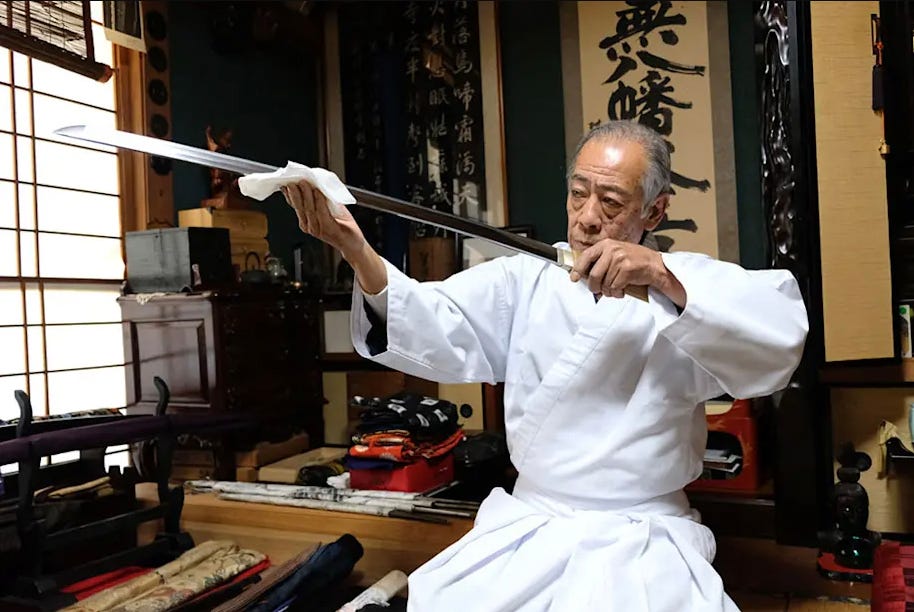
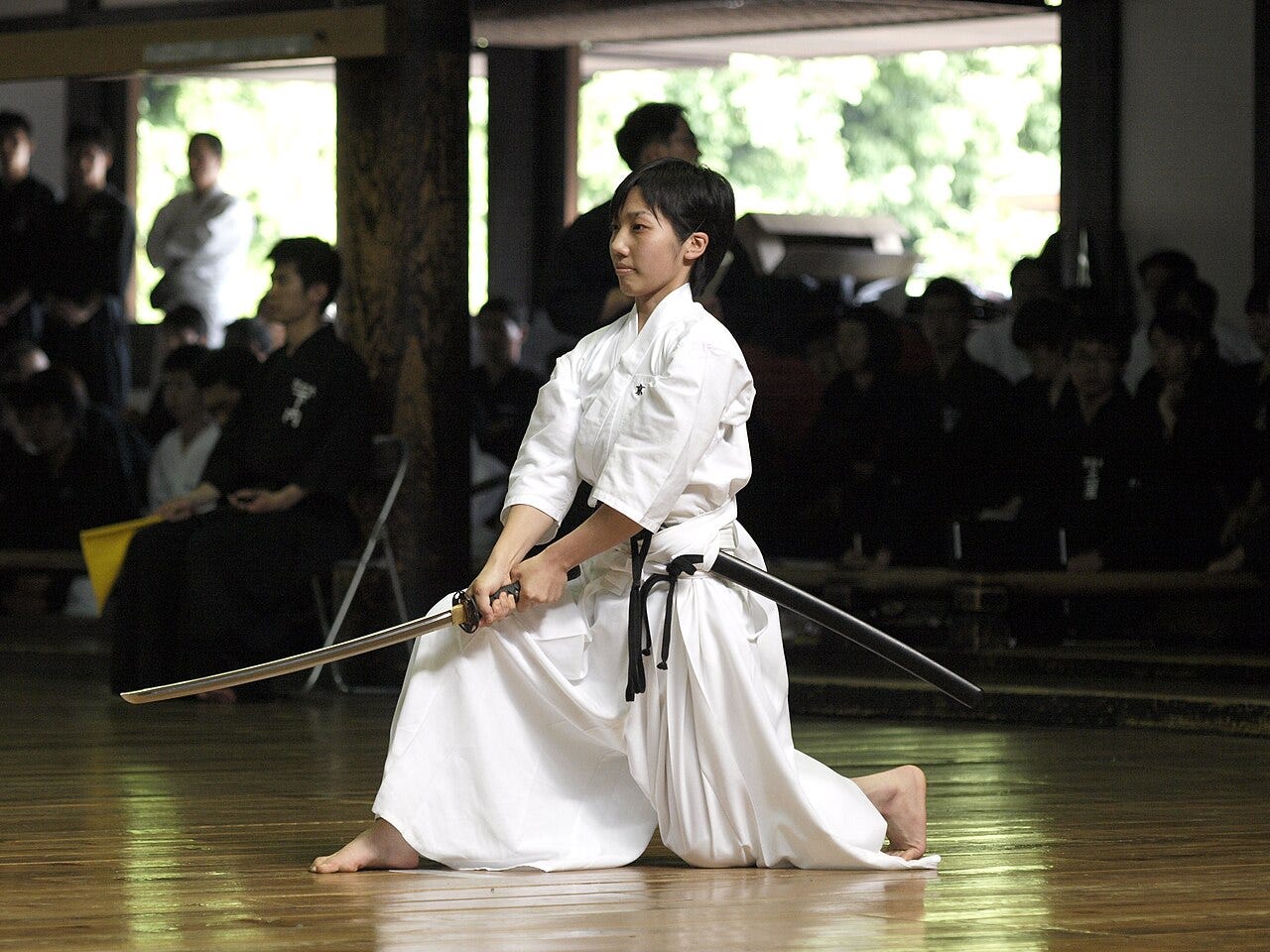
In the modern era, katana making continues to be a revered art, with skilled craftsmen preserving ancient traditions. Authentic Japanese swords are highly valued by crazily passionate collectors and martial arts practitioners worldwide, while the katana’s legacy influences pop culture as a symbol of discipline, honour and exceptional skill.
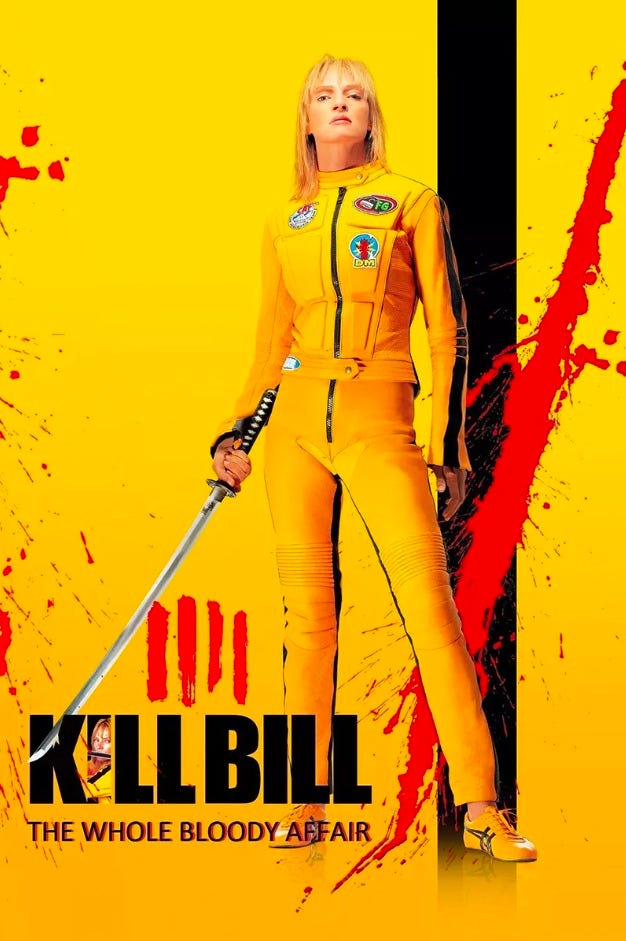
Finally, a so-called “Hattori Hanzō sword” is a katana associated with a famous samurai and ninja of Japan’s Sengoku period (late 16th century). It’s also the name given to the comically lethal sword that the Uma Thurman character used to kill Bill in the Quentin Tarantino film of the same name.
Story Idea: Melanie Giuffré
Video
References
REMORANDOM Books
Order our books on the REMO store website HERE. Subscribe to receive all future volumes and other printed goodies HERE.
