


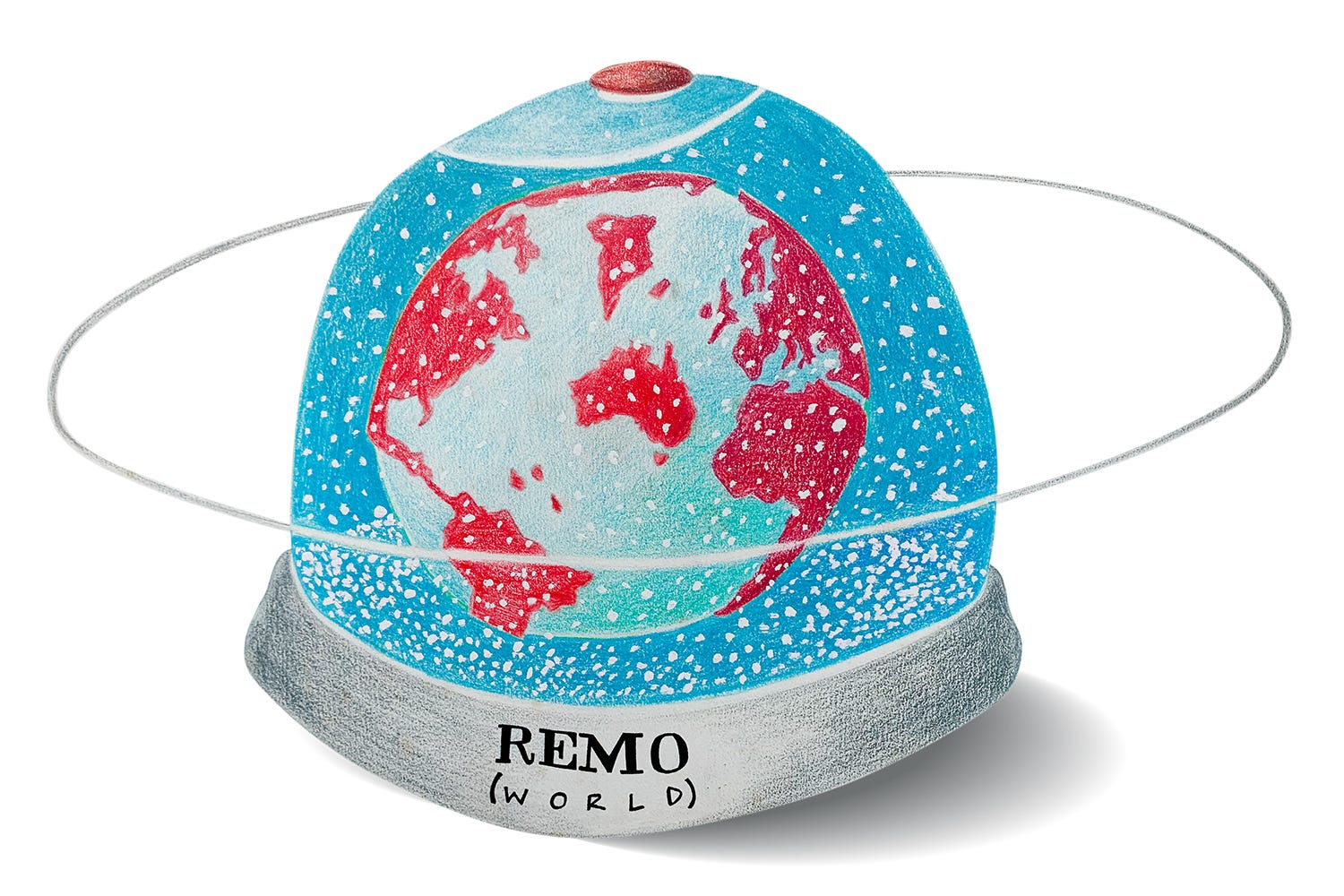
A snow globe is a transparent sphere, traditionally made of glass, enclosing a miniaturised scene, object or figure(s). The sphere also encloses a mix of water, eythlene glycol (antifreeze) and glycerol, serving as the medium through which the “snow” falls. The globe is shaken to churn up the white particles. The globe is then placed back in its position and the flakes fall down slowly through the liquid.
The origin of the snow globe is usually traced back to late 19th-century Europe where craftsmen experimenting with glass paperweights and lighting effects stumbled upon the enchanting visual of particles drifting in liquid. The US commissioner’s report of the 1878 Exposition Universelle in Paris included a reference to:
“Paper weights of hollow balls filled with water, containing a man with an umbrella. These balls also contain a white powder which, when the paper weight is turned upside down, falls in imitation of a snow storm.”
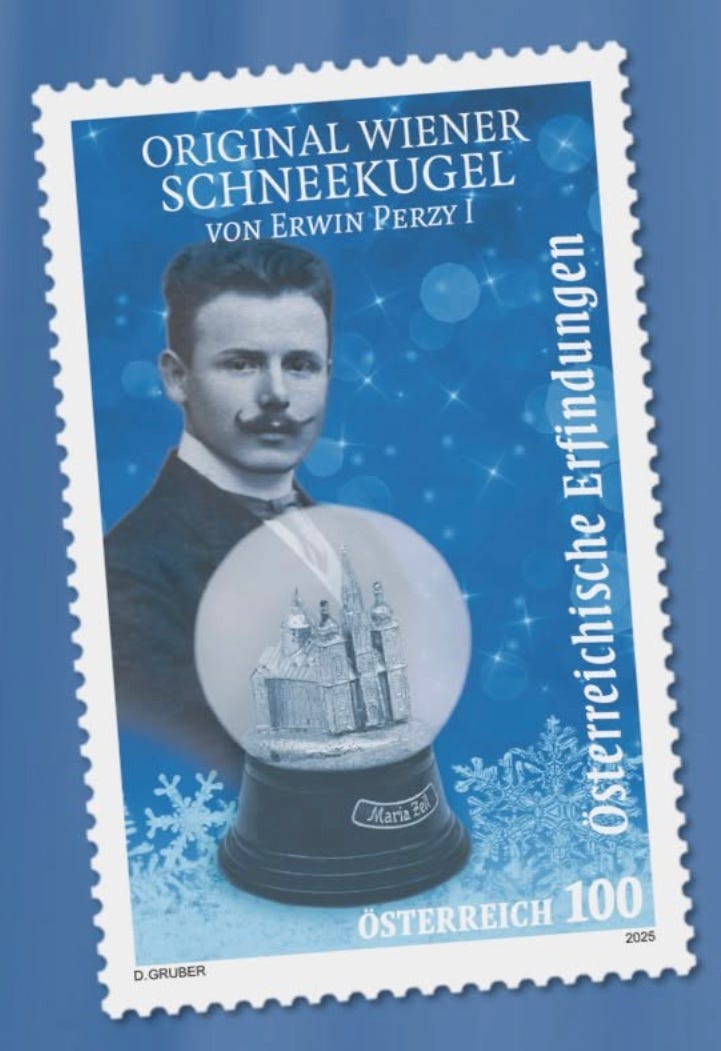
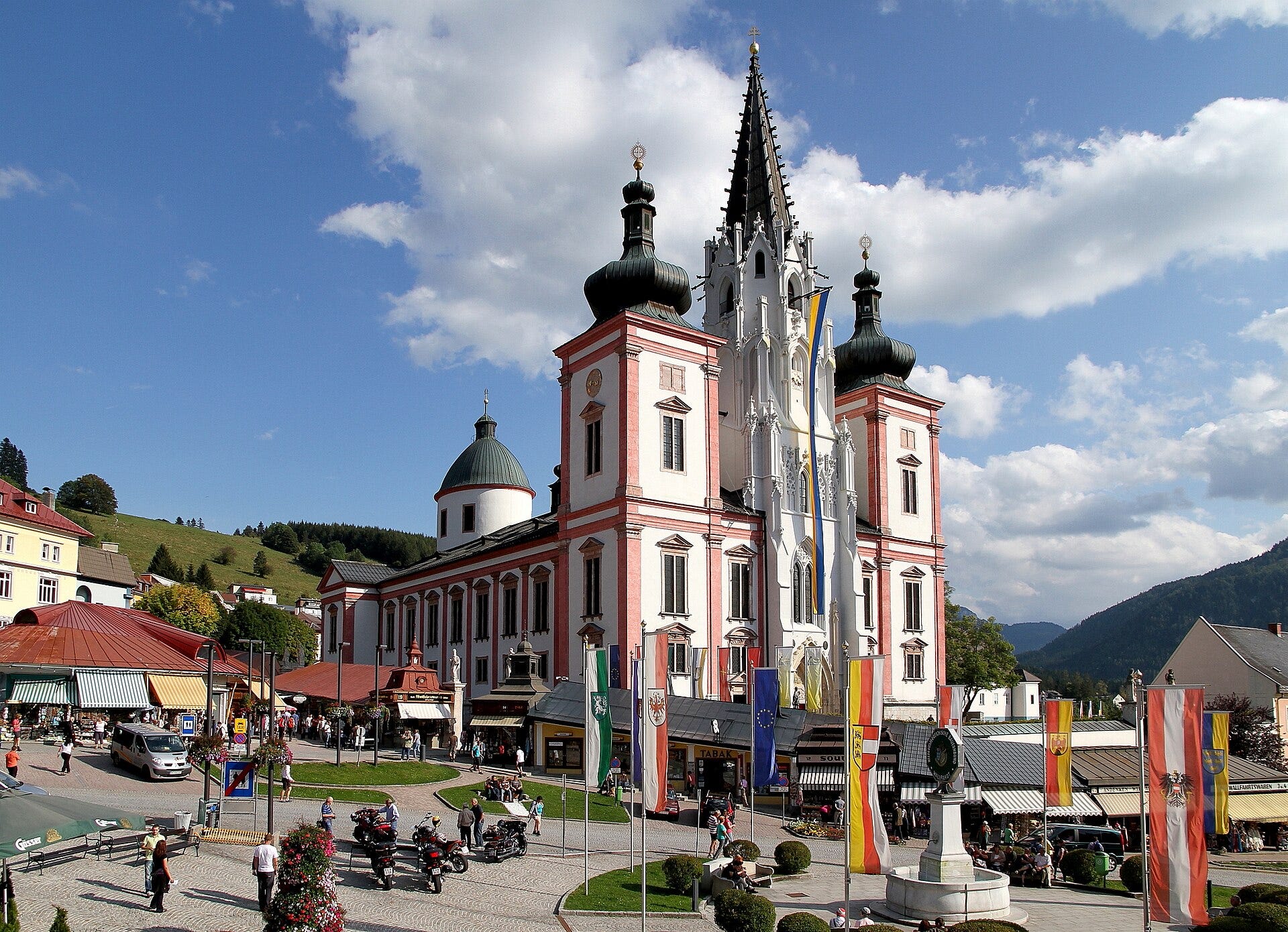
Then in 1900 an Austrian medical instrument maker, Erwin Perzy, was attempting to improve the brightness of surgical lamps. When he added semolina flakes to water in a glass sphere, he noticed they fell slowly and resembled snowfall. Recognising the poetic appeal of this happy accident [RR5:34], he shifted his focus from medical equipment to the development of miniature winter scenes and the Schneekugel (“snow globe”). Responding to the great demand for his snow globes, Perzy and his brother Ludwig opened a shop in Vienna. The first snow globe they sold held a tiny tin sculpture of the basilica in Mariazell, Austria.
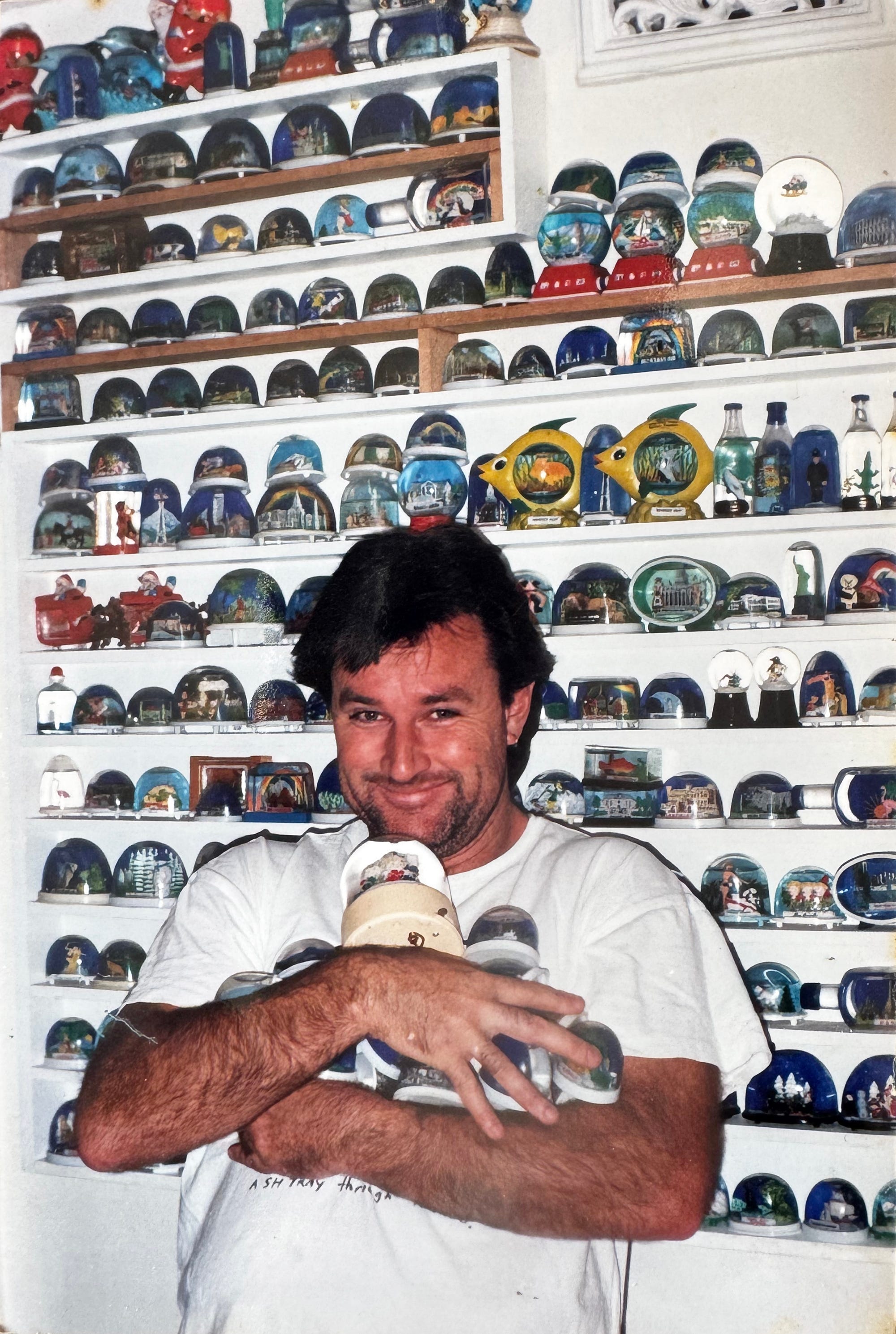
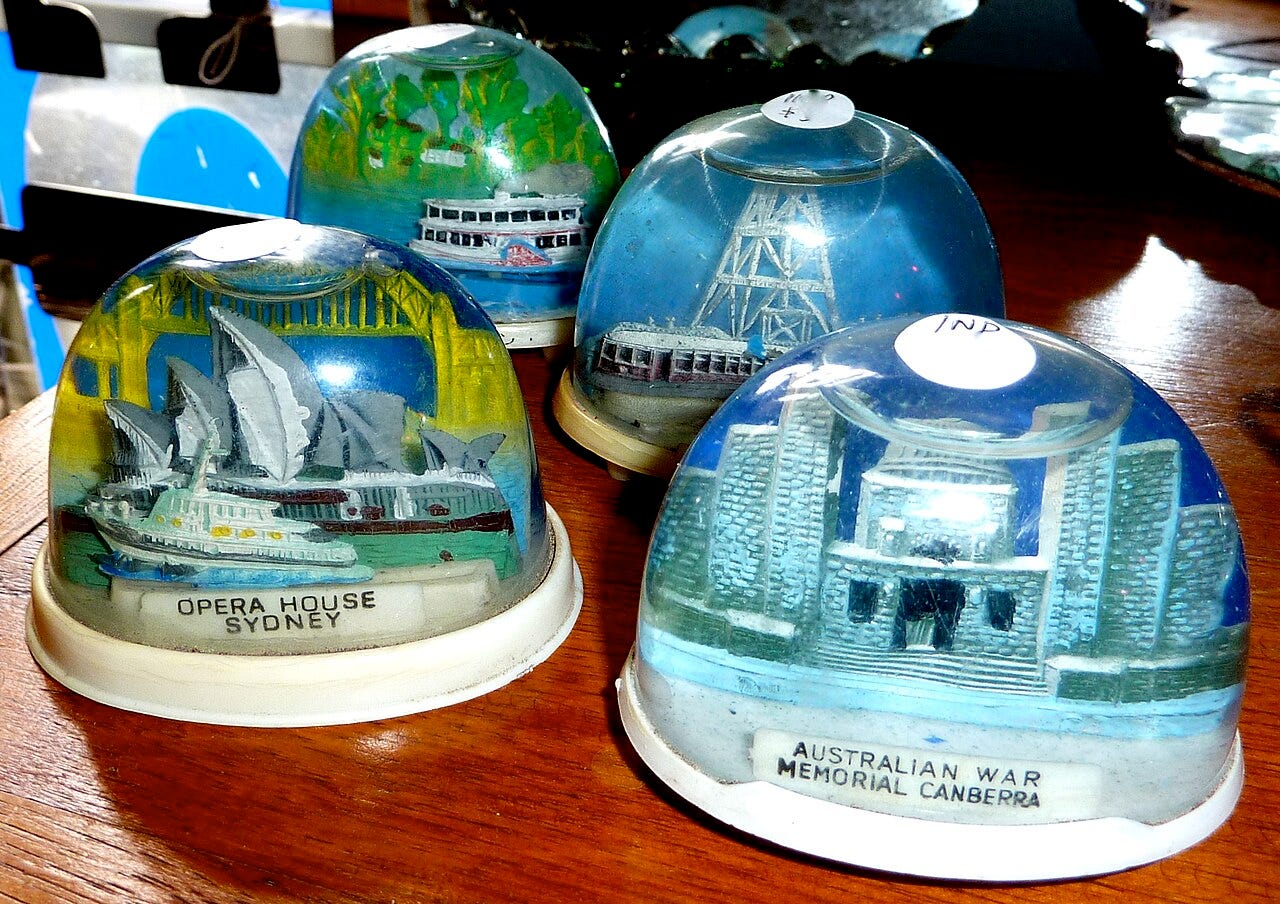
The snow globe quickly evolved into a quintessential souvenir [RR5:69]. Its appeal lay in its ability to compress a place into a portable, self-contained moment. Unlike postcards or photographs, snow globes offered motion and atmosphere. By the early 20th century, they were being produced commercially across Europe and later in the United States, often depicting landmarks, religious scenes or seasonal imagery. After World War II, improvements in plastics and mass production techniques made them cheaper and more durable, accelerating their spread through tourist economies worldwide. Snow globes are souvenirs not just of geography, but of experience: a holiday, a honeymoon, a fleeting moment of wonder.
Over time, snow globes have also taken on symbolic and artistic meanings. In literature and film, they often represent nostalgia, illusion or containment.
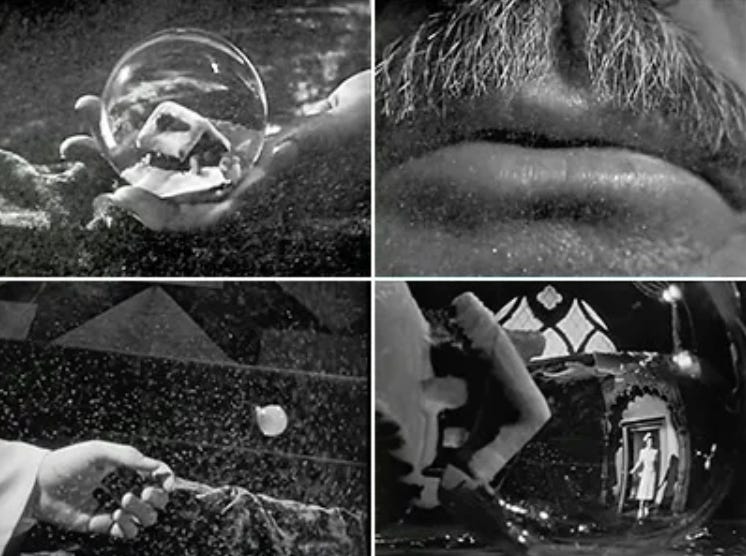
Orson Welles’s seminal film Citizen Kane (1941) famously opens with Charles Foster Kane whispering one of the most famous lines in film history – just the one word “Rosebud” – followed by the image of a snow globe slipping from his hand, falling to the floor and shattering.
Contemporary artists have likewise used snow globes to comment on consumer culture, climate change and the commodification of place. Today, despite (or perhaps because of) the digital age, snow globes endure. In a world of infinite images, they offer something tactile, finite and oddly calming.

Production at the Perzy family’s Original Snow Globe Factory continues to this day, and they export high quality snow globes throughout the world.
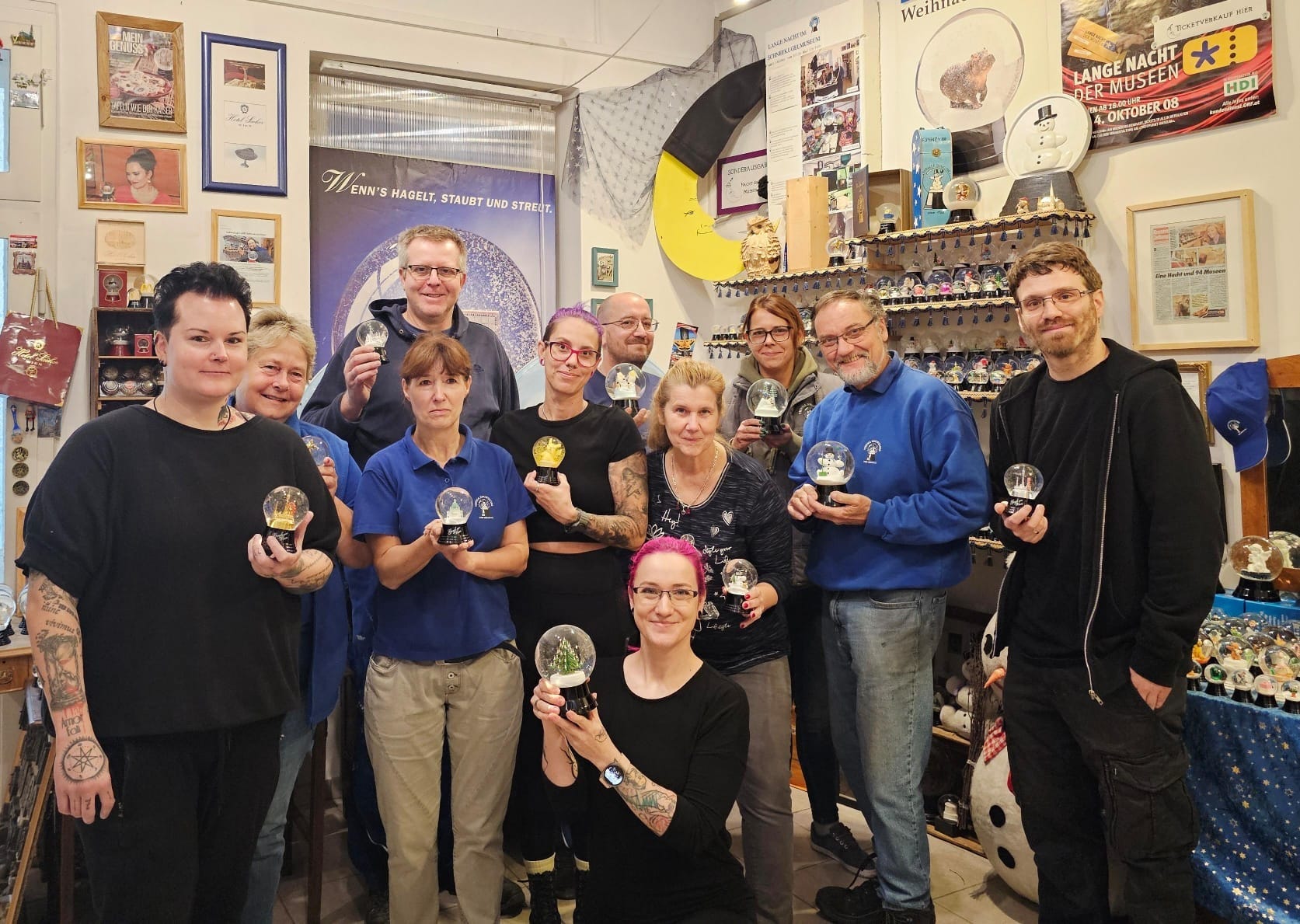
Watch the BBC News interview with Erwin Perzy III below or HERE.
Postscript
In the 1980s the Original Snow Globe Company created a replica of the Citizen Kane snow globe containing a brown, snow-covered cabin and golden light shining through the window. A Warner Brothers executive approached Erwin Perzy II proposing a substantial order, but asking if the snow globe might be remade in black and white. His reason given: “Nobody has ever seen this snow globe in colour because it’s a black and white movie.”
Video
REMORANDOM Chapter

REMO World | 1988
Browse merchandise bearing the REMO World design online HERE

References