


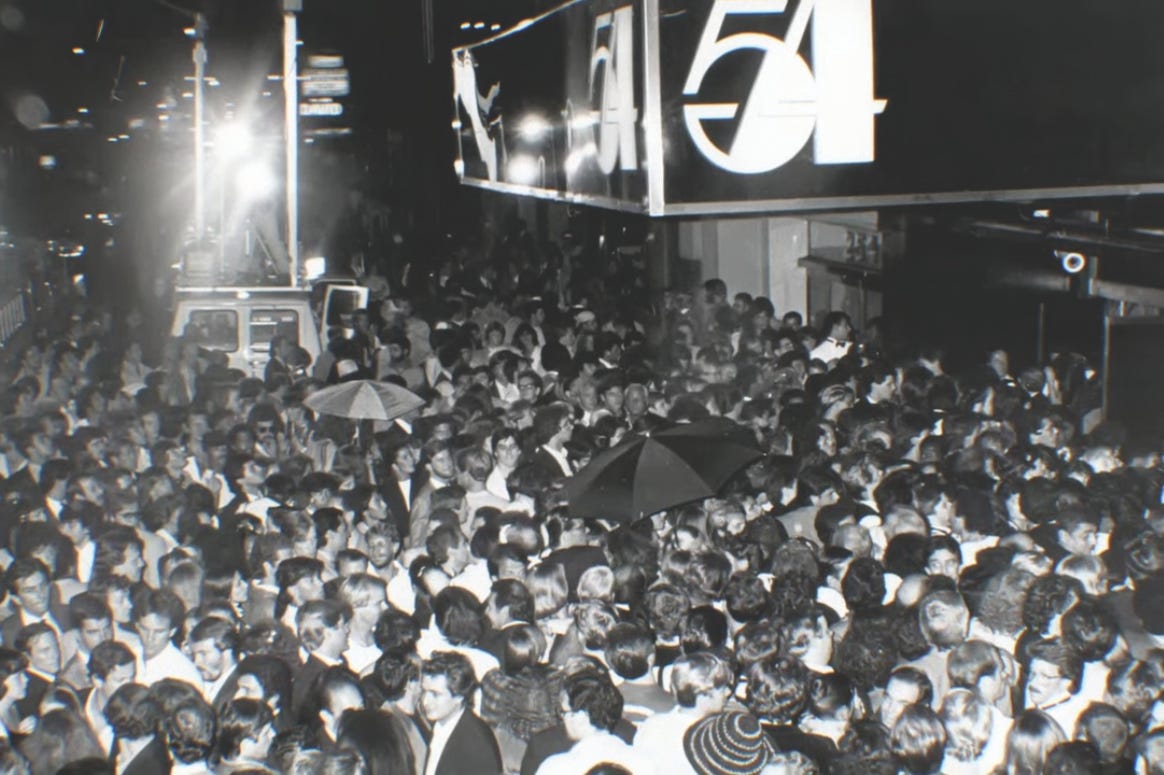
Located at 254 West 54th Street in Manhattan, the club opened in April 1977, quickly becoming the epicentre of New York’s nightlife.
The building could boast of a rich theatrical past, having previously housed the Gallo Opera House and later CBS Studios. But it was when two Brooklynites Steve Rubell and Ian Schrager transformed it into a nightclub that it gained international notoriety, becoming synonymous with glamour, hedonism and excess.


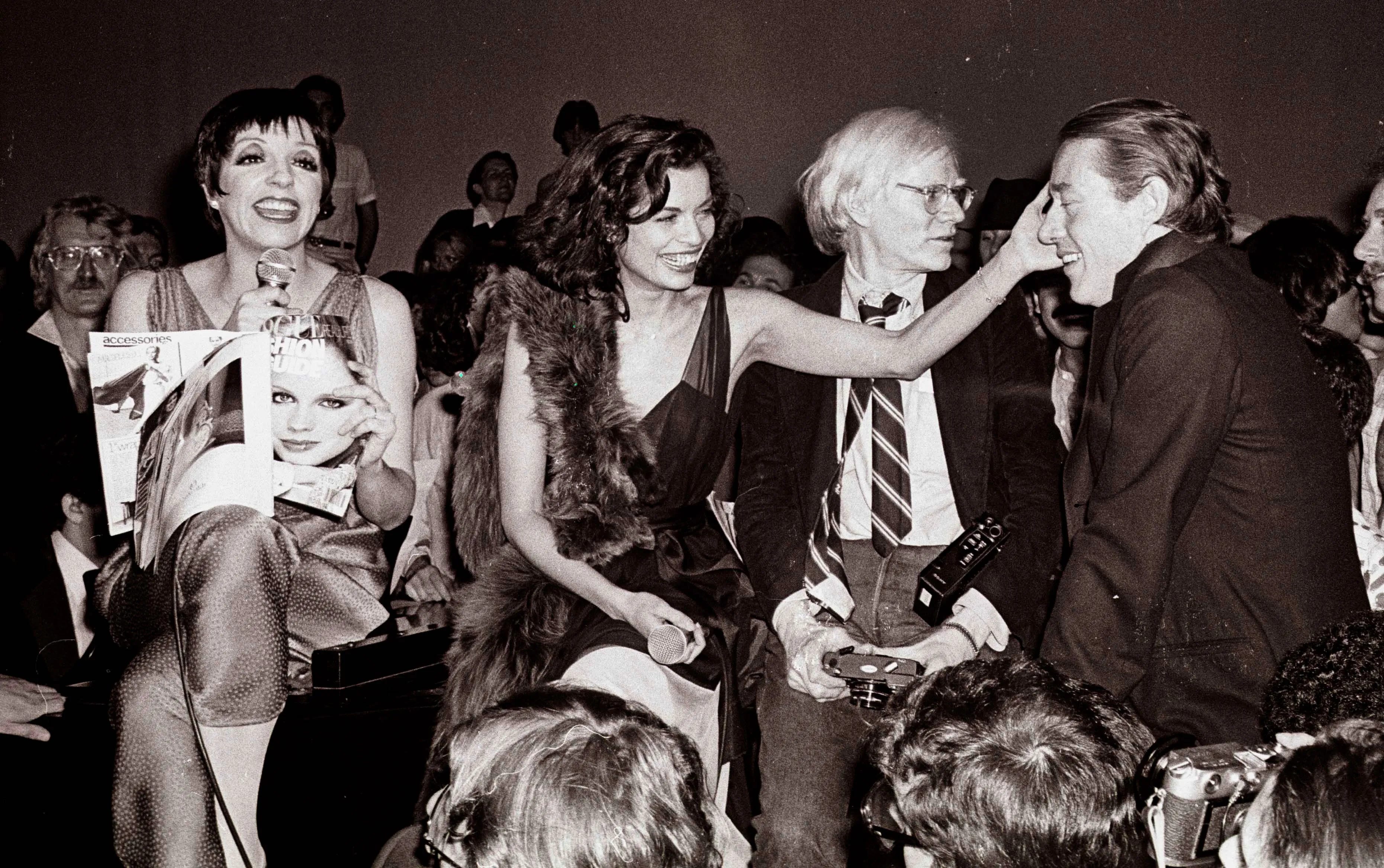
What set Studio 54 apart was not just who was inside, but how they partied. The club attracted a surreal mix of celebrities, artists, socialites and outsiders. On any given night, you might spot Andy Warhol chatting with Liza Minnelli, Grace Jones performing live, or Mick Jagger dancing alongside a sea of anonymous club kids.
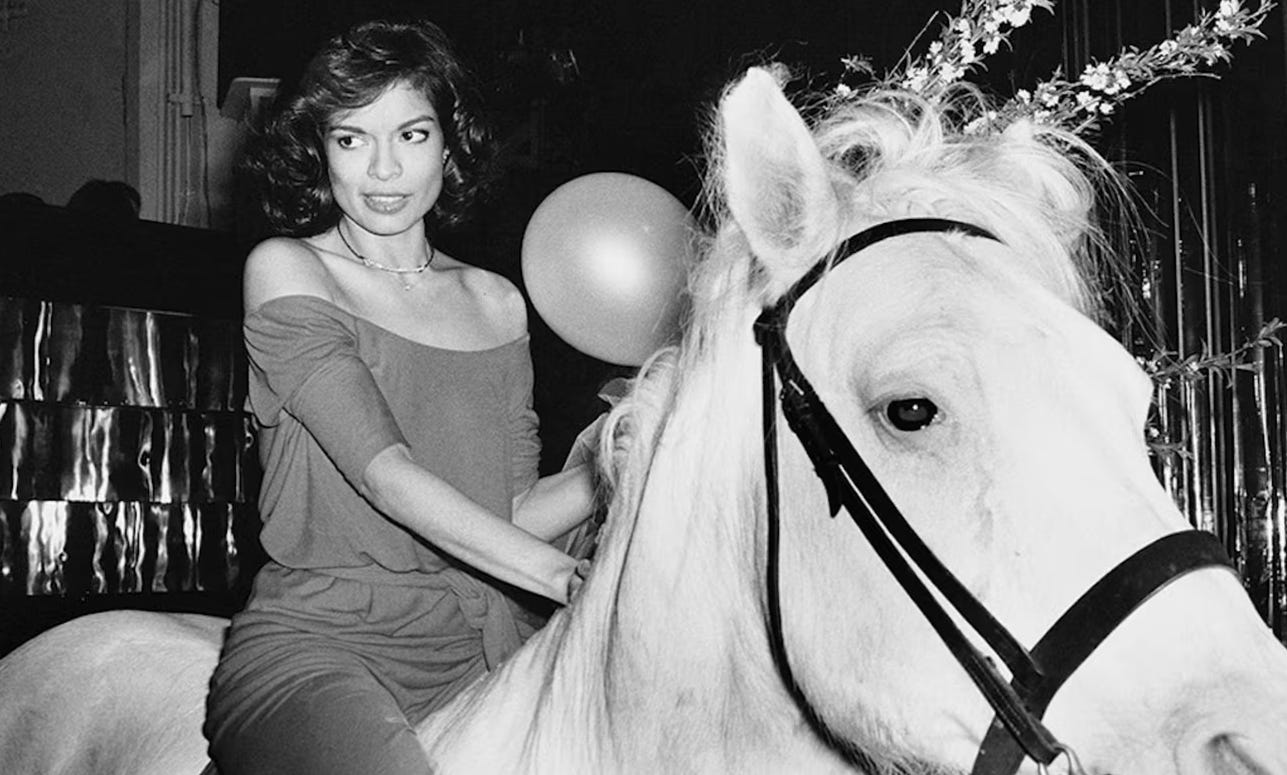
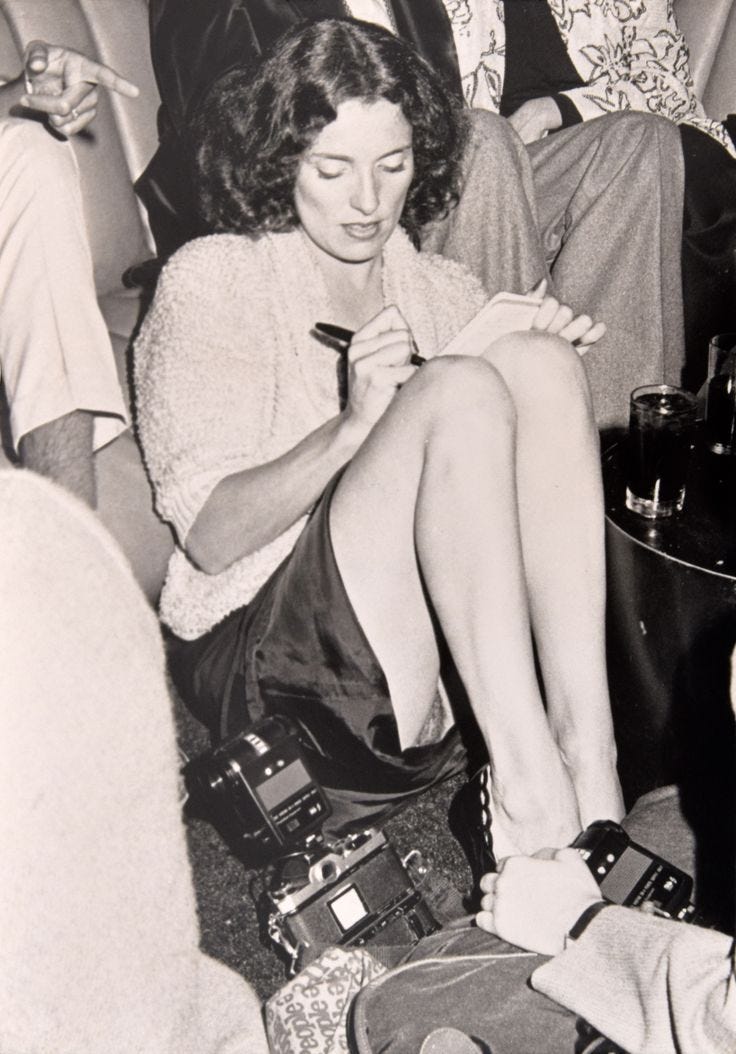
Bianca Jagger famously rode a white horse across the dance floor for her birthday, and there is an infamous photo of Margaret Trudeau, while technically still the First Lady of Canada, caught sitting on the floor wearing no knickers. [Ed: A self-inflicted Sharon Stone moment.]
There were also unconfirmed stories of secret rooms, drug-fueled escapades and champagne-soaked nights that lasted until dawn.
The vibe was electric, rule-breaking and unpredictable – an intentional contrast to the uptight political climate of the 1970s. It was an “anything goes” environment – and, for those seeking to gain entry, the pinnacle of FOMO, both at the time, and maybe ever since.
The club’s visual and theatrical flair contributed to its mystique. It featured elaborate set designs and lighting effects, including a moon with a glowing cocaine spoon dangling from its mouth. The space itself transformed constantly: one night it might be decked out like a Moroccan palace, another like a giant snow globe. Studio 54 was not just about dancing – it was performance art, sexual liberation and social commentary all rolled into one.
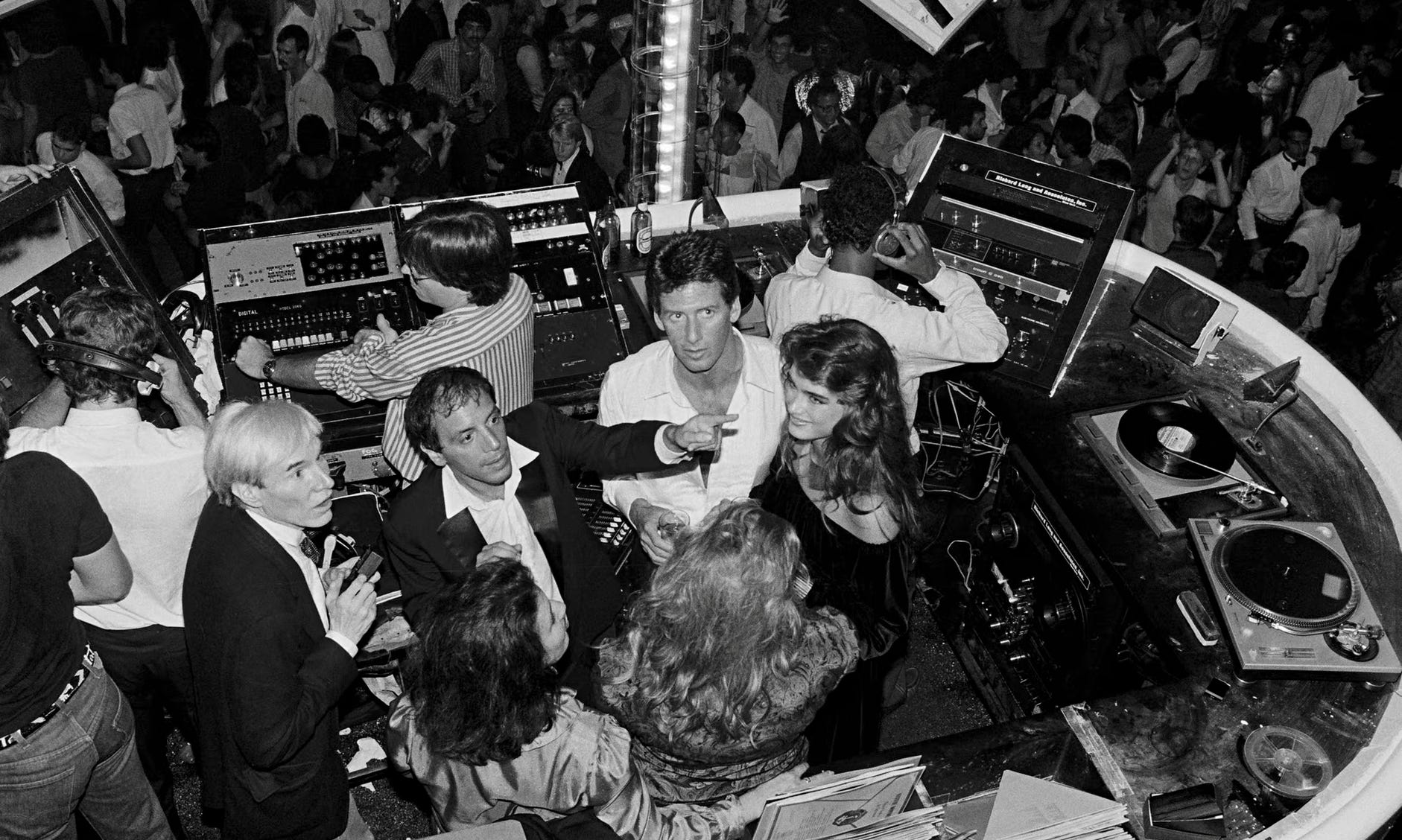
Culturally, Studio 54 helped bring underground movements into the mainstream. It was a crucible for disco music, which at the time was deeply connected to black, latino and LGBTQ+ communities. It also blurred the lines between celebrity and civilian; a night at Studio 54 could turn an unknown into an icon.
Studio 54 was an instant hit – both culturally and financially. In November 1977, Dan Dorfman of New York magazine quoted Rubell as saying that “only the Mafia made more money” than Studio 54. In the same article Rubell bragged about the club’s exclusivity, saying: “I turned away 1,400 people last Saturday”.
According to Anthony Haden-Guest, author of the 1997 book Studio 54: The Legend, Rubell once told a “ravishingly beautiful woman” that she could enter for free if she took off all her clothes. The woman was later hospitalised for frostbitten nipples. Another desperate guest got stuck in a ventilation shaft while trying to gain entry and died, an account that Schrager confirmed.
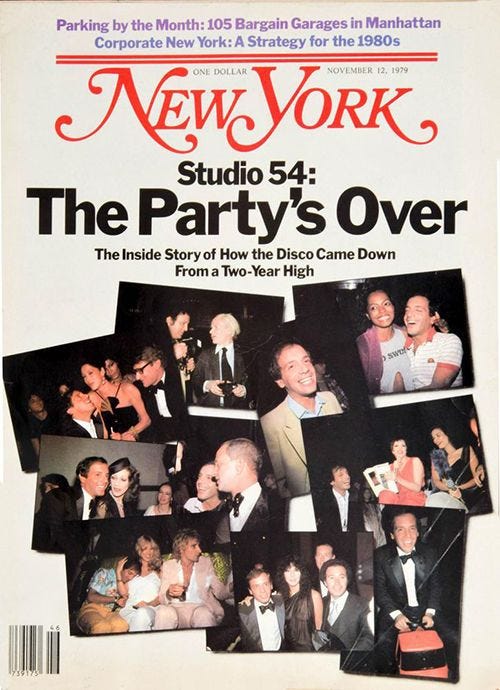
Despite its fame, Studio 54’s reign was short. In 1980, Rubell and Schrager, informed on by an insider, were ultimately convicted of tax evasion and sent to prison.
The club briefly reopened under new ownership, but it never recaptured its original spark. It officially closed in 1986.
Video
REMORANDOM Chapter

References
theguardian.com/artanddesign/2020/mar/13/studio-54-exhibition-brooklyn-museum
Book: Studio 54: The Legend, Anthony Hayden-Guest, 1997