


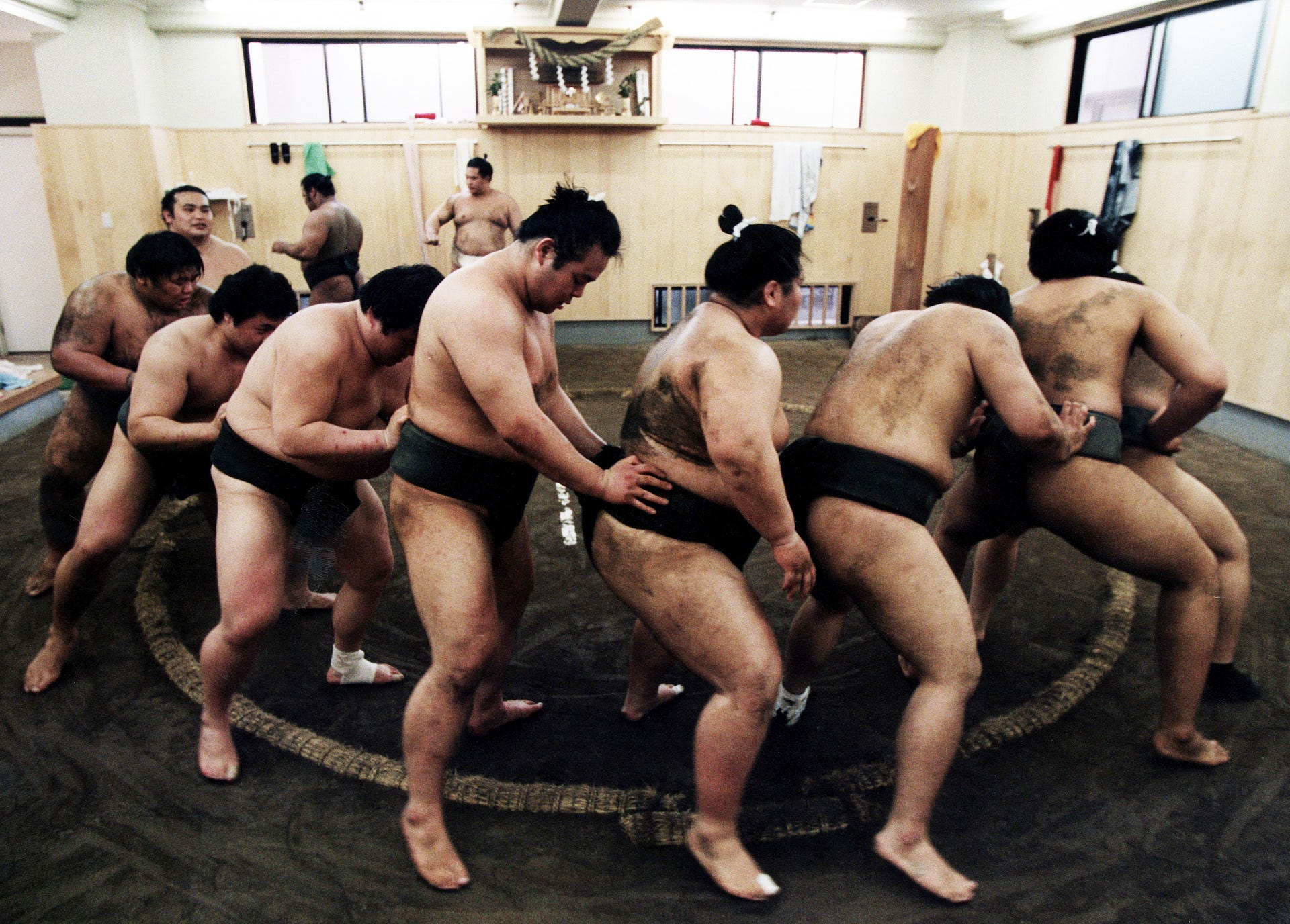
Sumo is Japan’s oldest and most traditional sport, with origins that stretch back more than 1,500 years. Initially performed as part of Shinto rituals to appease the gods and ensure a good harvest, sumo evolved into a structured, rule-based competition during the Edo period (1603–1868).
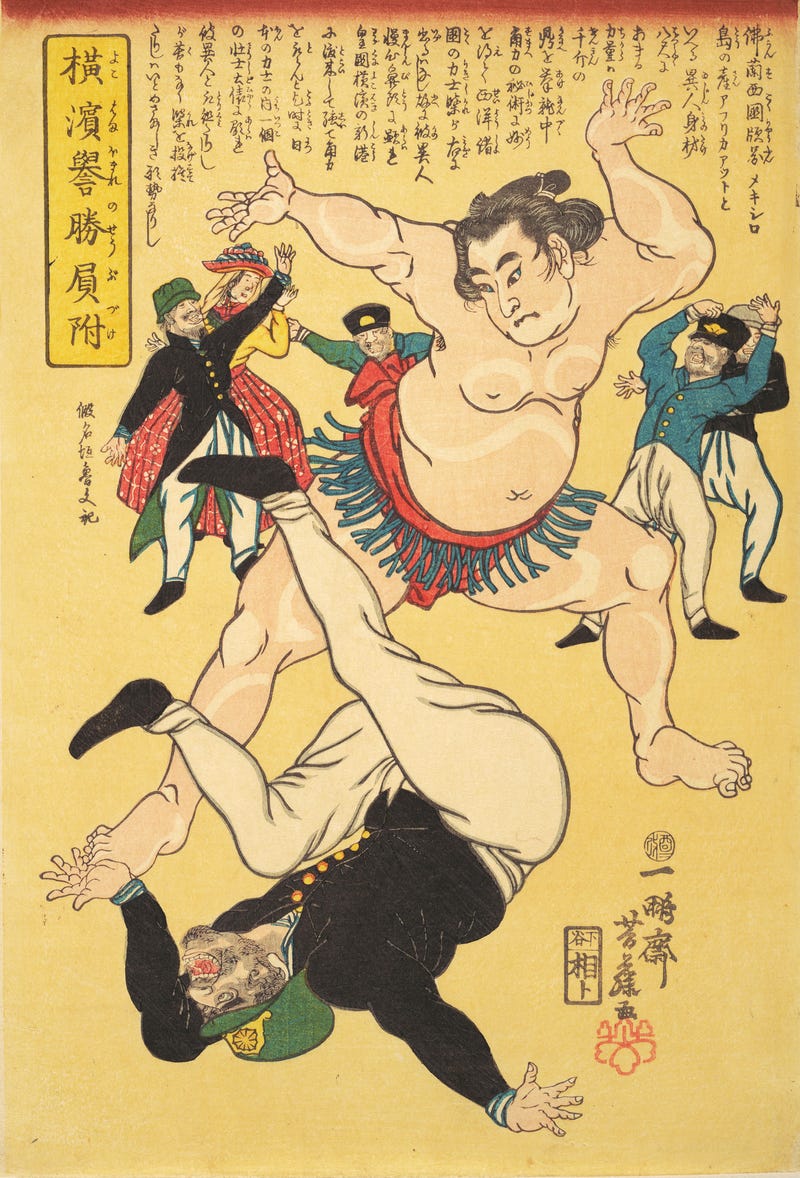
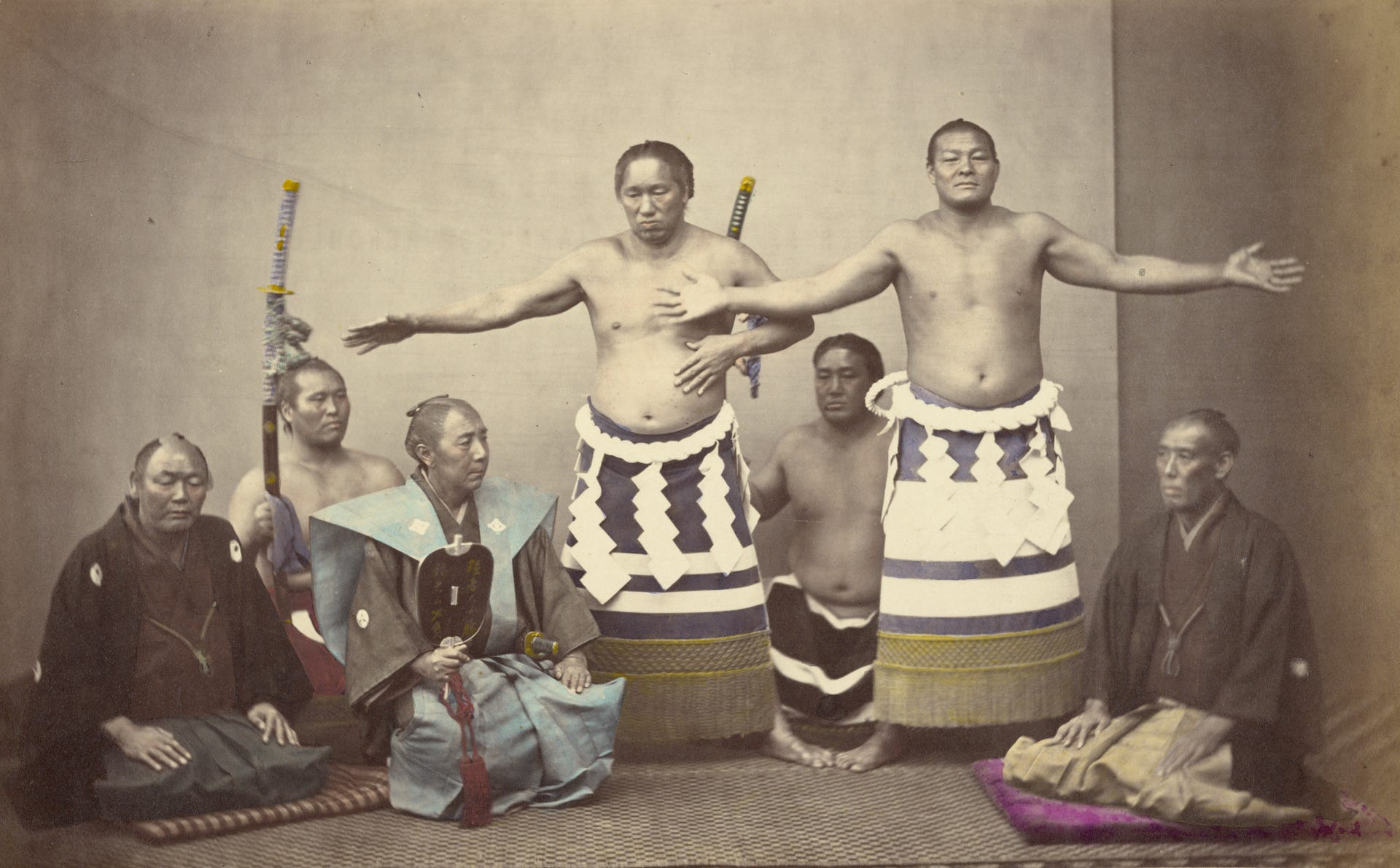
By the early 20th century, sumo had become a formalised professional sport, complete with rankings, stables and grand tournaments held six times a year.
Matches are short but steeped in ceremonial precision. Wrestlers (rikishi, 力士, literally “strong men”) engage in ritual salt-throwing, foot-stomping and deep bows – elements that have remained virtually unchanged for centuries. The rules are simple: force your opponent out of the ring or make any part of their body (other than the soles of their feet) touch the ground.
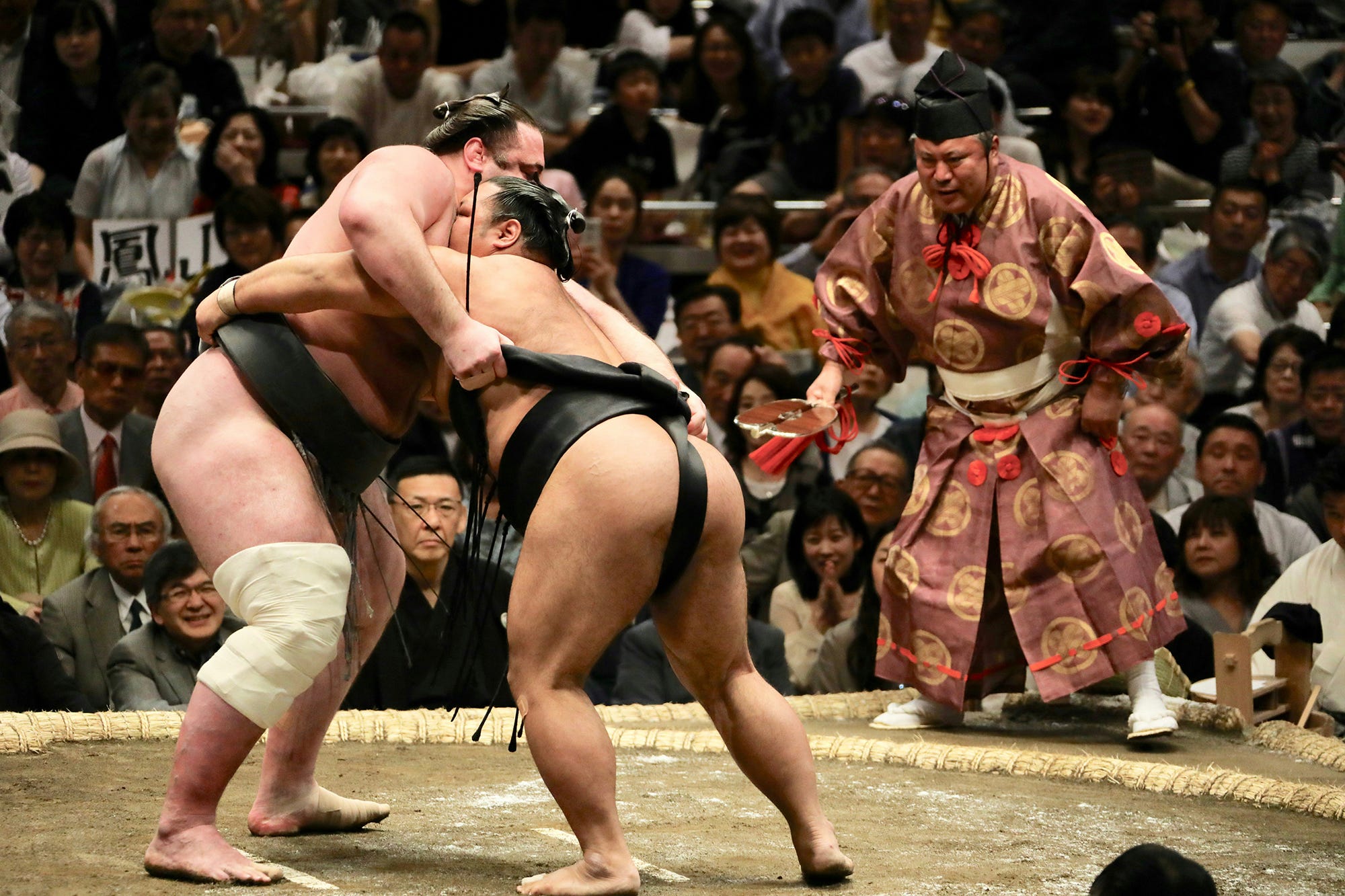
Becoming a professional sumo wrestler is not just a sporting decision. From the moment a young recruit enters a training stable (heya), his daily routine, diet, appearance and even name are dictated by tradition. In sumo, you don’t just compete in the ring – you live the sport, 24/7.
The day begins early and starts with hours of intense training: footwork drills, slap matches, throwing practice and ceremonial movements that double as strength training. The training is hierarchical. Junior wrestlers act as assistants to the seniors, often cleaning the ring, helping with equipment and serving meals.


Afternoons are spent recovering and eating. The signature sumo meal is chanko nabe, a hot pot of meat, vegetables, tofu and broth. Sounds healthy, right? But wrestlers eat enormous portions – often followed by bowls of rice, fried foods and copious amounts of beer (totalling 10,000+ calories per day) – and then immediately take long naps to help convert the calorie surplus into mass.
Life in the heya is spartan. Junior wrestlers sleep in shared rooms on thin futons, clean the premises and do the laundry – not only their own, but that of their seniors. Personal freedom is limited. Haircuts are forbidden; instead, wrestlers grow their hair long and wear it in the traditional chonmage (topknot), styled daily by official sumo barbers. Check out the short video about sumo hairdressing HERE or below.
Wrestlers are not just athletes; they’re public figures. Fans expect dignity, humility and respect. Clothing is regulated by rank. Lower-tier wrestlers must wear yukata (casual kimono) and wooden sandals even in winter, while higher ranks may wear Western-style clothes in public. The rule is simple: the higher your rank, the more autonomy you have.
There are six divisions in professional sumo. Only the top two – makuuchi (幕内) and jūryō (十両) – are considered full-time (known as sekitori). Reaching that level means better food, a private room, a salary and status. Fall below it, and you’re back to chores and austerity. Promotion is strictly performance-based. The goal for every wrestler is to reach the top division and eventually, if he’s exceptional, the rank of yokozuna – a title held by only 75 men in all of sumo’s recorded history.
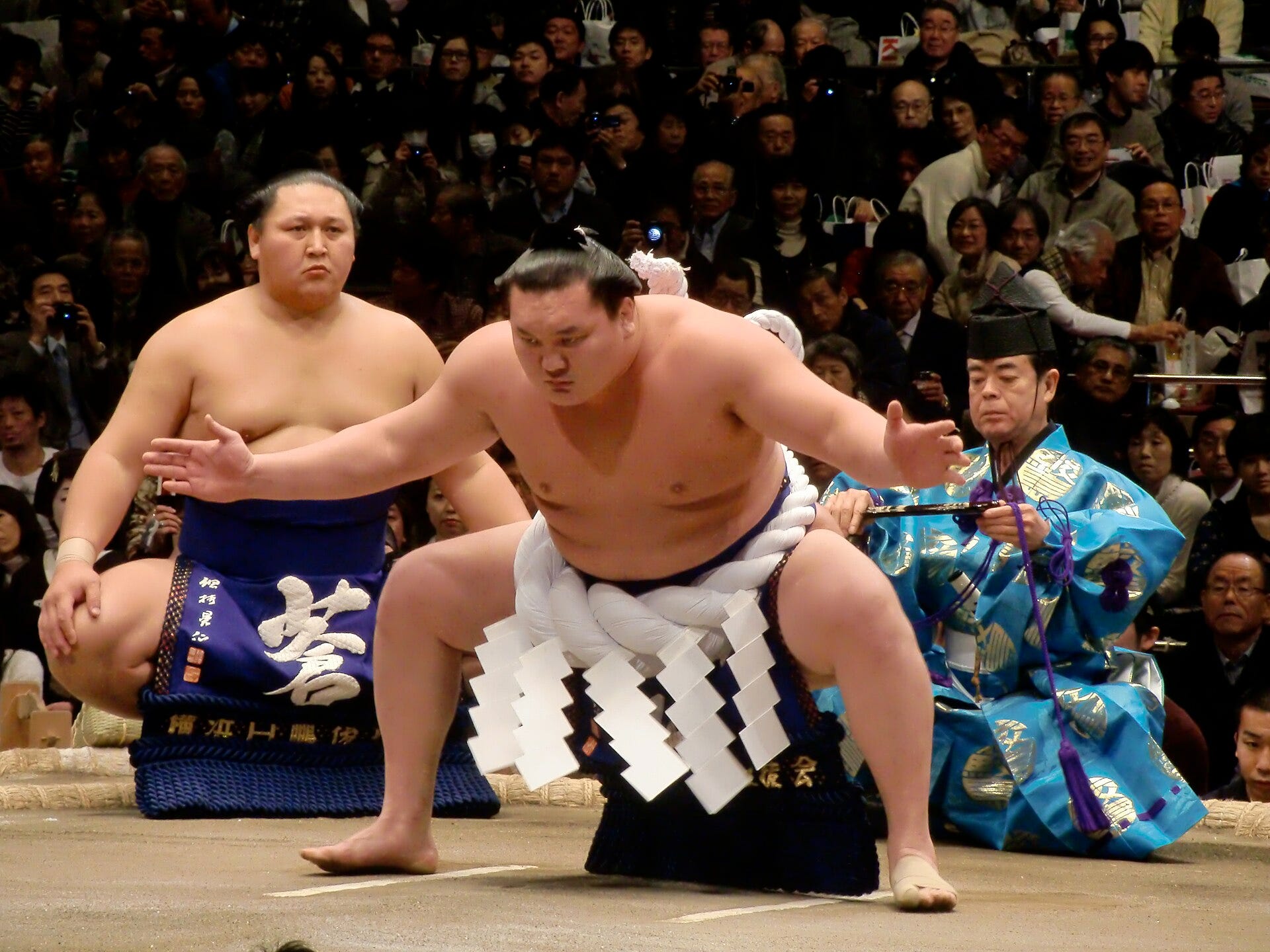
In May 2025 Ōnosato Daiki, a 24-year-old from Japan’s Ishikawa Prefecture became the 75th yokozuna. And after 20 years of near-total dominance by Mongolian giants such as Hakuhō Shō (yokozuna from 2007–2021), a Japanese man once again holds the highest title in the country’s national sport.
Postscript
For a contemporary look inside the world of a sumo wrestling, check out Sanctuary on Netfix. [Ed: Rocky Balboa vibes. I enjoyed it.] Watch the trailer below or HERE.
Videos
REMORANDOM Chapter
