


The oldest known tattoos appear on Ötzi the Iceman, a mummy from around 3300 BCE discovered in the Alps. His 60-plus carbon ink marks lie along joints and pressure points, perhaps for therapeutic or ritual purposes.
In Ancient Egypt, tattoos dating back to 2000–3000 BCE are found particularly on women – possibly symbols of protection in childbirth or indicators of social or religious status.
Across the Eurasian steppe, the tattooed nobles of the Pazyryk culture (circa 500 BCE) wore richly inked animal motifs reflecting mythology and power.


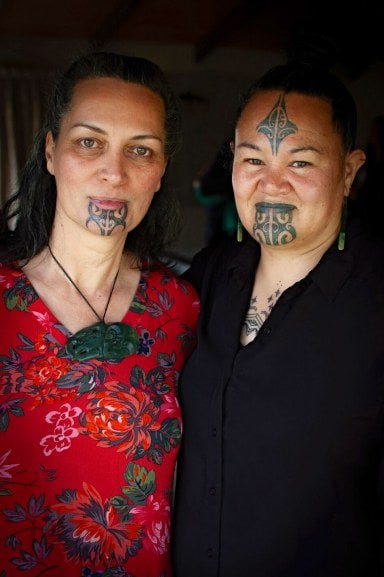
In Polynesia, tattooing became a highly developed art and a marker of genealogy, rank and belonging. The Polynesian word tatau (meaning to “strike” or “tap”) is the origin of the English word “tattoo”. Among the Māori, moko carries deep ancestral and spiritual meaning. Moko kauae – the traditional chin tattoo of Māori women – signifies lineage, authority (mana) and life milestones. Though violently suppressed during colonisation, moko has powerfully reemerged, with Māori women today wearing moko kauae as a proud act of cultural continuity.
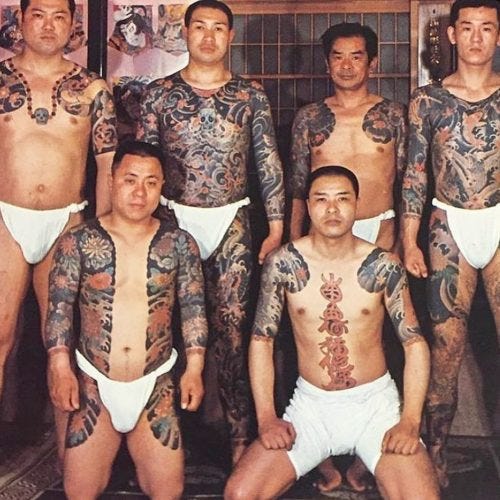
In Japan, irezumi evolved into spectacular full-body forms including dragons, koi and folklore figures. Despite immense artistry, tattooing became entwined with criminality and the Yakuza, leading to social stigma that still persists, e.g. no bath house entry if you are Japanese and sporting a tattoo.
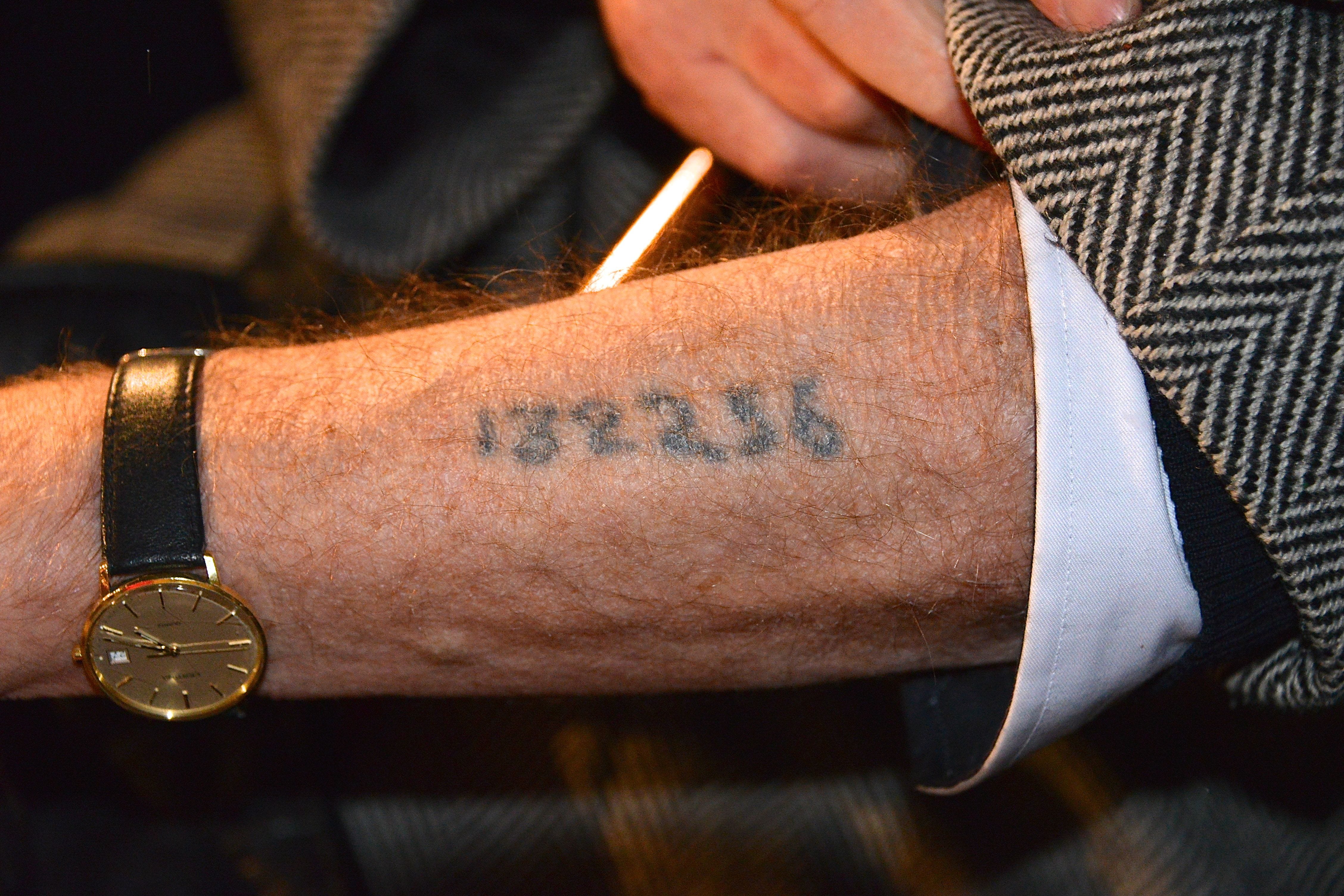
Not all tattooing has been voluntary. In the 18th and 19th centuries, criminals, enslaved people and forced labourers in some societies were branded or tattooed as punishment and classification. The most chilling example came during the Holocaust, when prisoners at Auschwitz and related camps were forcibly tattooed with identification numbers – a profoundly dehumanising system that transformed living people into catalogued objects.
Tattooing has a long association with incarceration in other contexts too. Prison tattoos, whether in Russian gulags, American penitentiaries or Latin American gang hierarchies, encode affiliations, status and personal histories through coded symbolism. While these tattoos can represent survival and solidarity, they also reflect violence and marginalisation.
Europe’s mainstream re-encounter with tattooing came through sailors in the age of exploration, who adopted Polynesian techniques and carried them back to port cities.


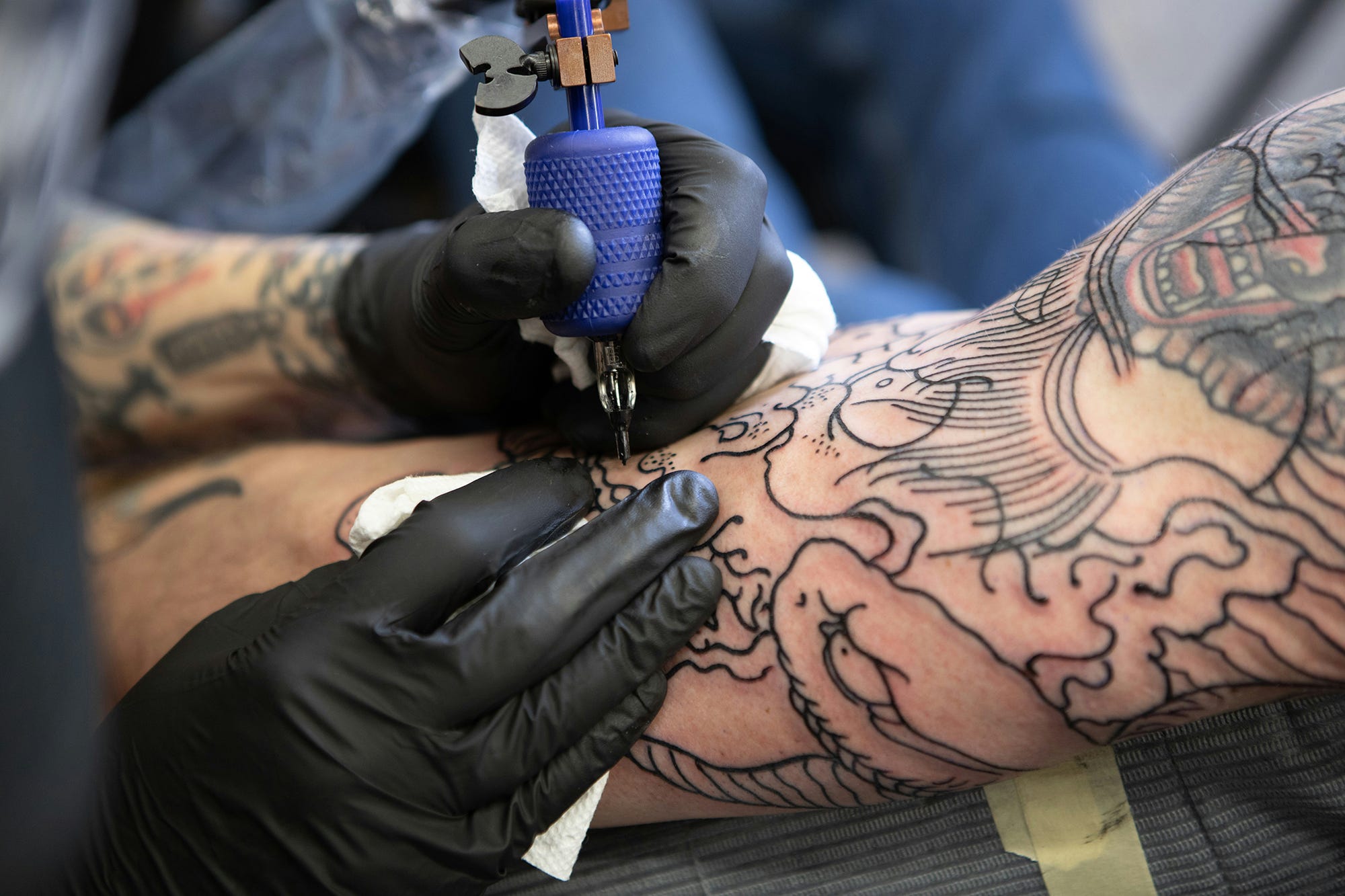
By the late 19th century, the electric tattoo machine (patented by Irishman Samuel O’Reilly in 1891) sparked a modern boom. Throughout the 20th century, tattoos shifted from fringe to fashionable – from circus sideshows and biker clubs to red carpets, art galleries and Instagram.


Today, tattooing includes an astonishing range of styles – traditional, blackwork, realism, fine-line, geometric, watercolour – and therapeutic practices such as cosmetic tattooing, scar camouflage and mastectomy areola restoration.
Video Treat
Well worthy of your 3 minutes :)
REMORANDOM Chapter

References