



When people speak of “The Pill”, you know they don’t mean aspirin or Prozac but rather that mother of all blockbuster drugs, the birth control pill.
A synthetic blend of the female hormones progesterone and estrogen, oral contraceptives were approved in the United States by the Food and Drug Administration in 1960, the same year that swept Kennedy’s space-racing Camelot into the White House. The pill, too, seemed mythic and new – the age-old dream of avoiding unwanted pregnancy brought to you by modern science.
The drug’s impact was immediate and immense, generating an enormous social reaction. By 1962, well over one million American women were taking oral contraceptives. By 1964, the pill had become the most popular form of reversible birth control, a position it retains throughout the world.
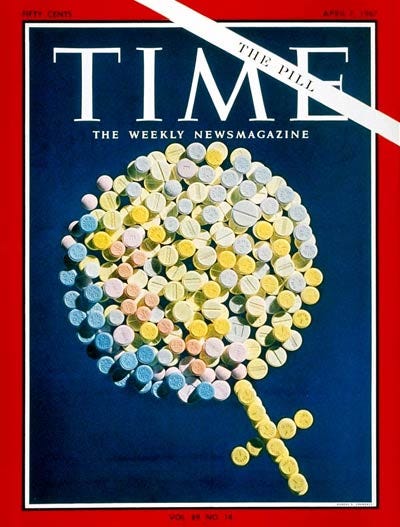
The development story for the pill involves the serendipitous alignment of four fascinating characters: fiery feminist Margaret Sanger, herself the sixth of 11 children, who coined the term “birth control” and was imprisoned in 1916 for opening the nation’s first family planning clinic; funding source Katharine McCormick, who owed her fortune to her wealthy husband, the son of the founder of International Harvester; visionary scientist Gregory Pincus, who was dismissed by Harvard Medical School in the 1930s as a result of his experimentation with in vitro fertilisation but who, after he was approached by Sanger and McCormick, grew obsessed with the idea of inventing a drug that could stop ovulation; and finally the telegenic John Rock, a Catholic doctor from Boston who battled his own church to become an enormously effective advocate in the effort to win public approval for the drug that would initially be marketed by Searle as “Enovid”.


Enovid was actually approved by the FDA as something to promote menstrual regulation. On the bottle, however, was a warning label stating that this drug had another function: it also prevented pregnancy. At a time when birth control was still illegal in many states, the indirect approach [Ed: wink, wink – nudge, nudge] was considered wise. It had the effect of sending the message to women that if you’re really desperate to avoid pregnancy, this pill can help.
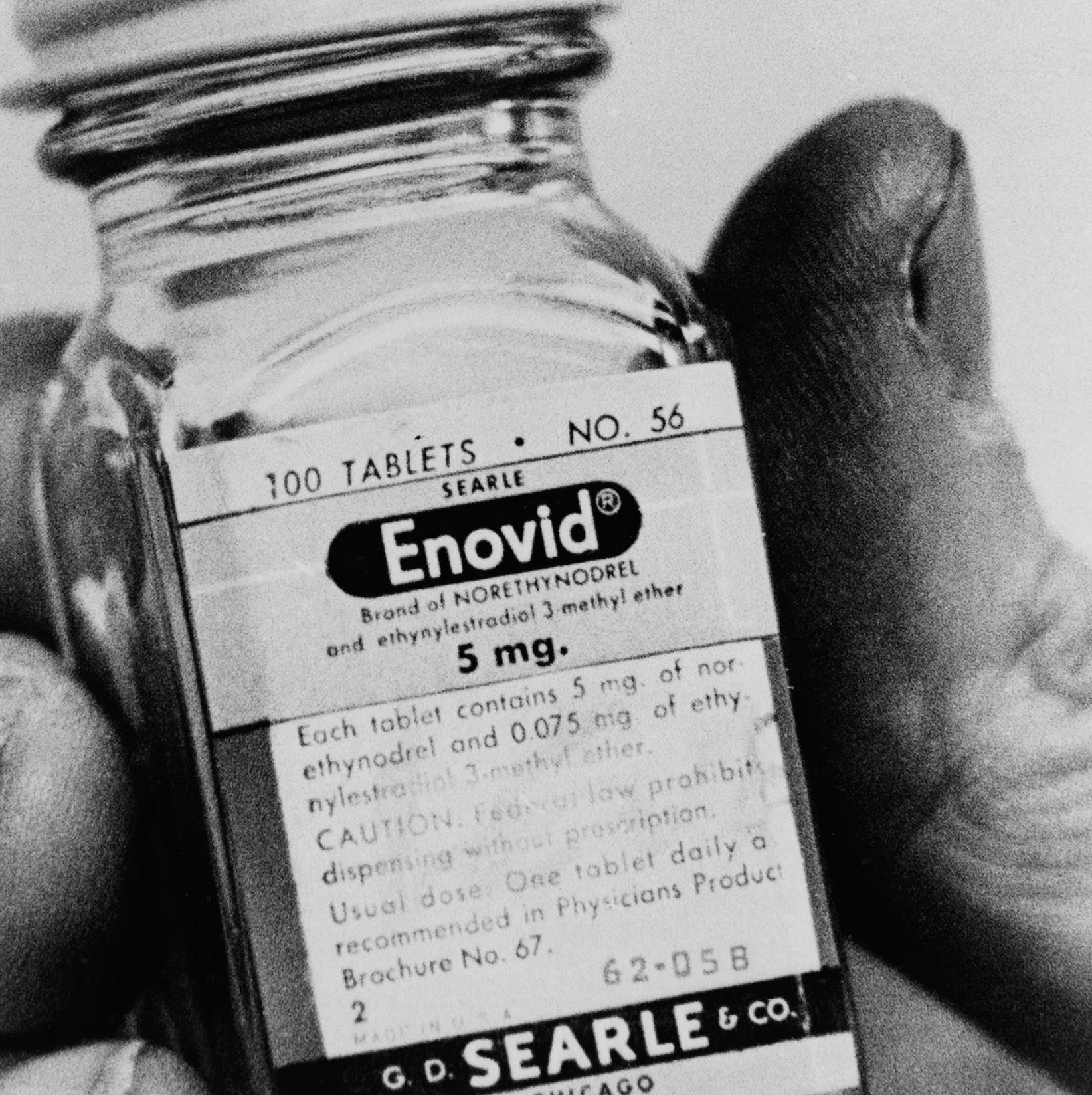
Women began going to their doctors and asking for it, because they knew what it really did. Doctors knew what it really did too, so they began telling women, and that helped get the word out. It helped create this word-of-mouth, grassroots movement through which the pill became popular even before it was unofficially christened “the pill”.
A 2015 book by Jonathan Eig tells the story. Spanning the years from Sanger’s Greenwich Village days in the early 20th century to trial tests in Puerto Rico in the 1950s to the cusp of the sexual revolution in the 1960s, The Birth of the Pill is a grand story of radical feminist politics, scientific ingenuity, establishment opposition and, ultimately, a sea change in social attitudes.

REMORANDOM Chapter

References