


Greek is one of the world’s oldest continuously spoken and written languages. Over more than three millennia, it has given rise to words that do far more than name things. They express values, emotions, relationships and ways of seeing the world. Many Greek words resist direct translation into English because they carry layers of cultural meaning accumulated over centuries. This collection presents 20 such words.

Agape (άγάπη)
Selfless, unconditional love given freely without expectation of reward. Also a name given to someone close to one’s heart, a partner or a child.
Aletheia (άλήθεια)
Truth revealed through uncovering or unveiling; not merely factual correctness but the disclosure of what was previously hidden.
Eudaimonia (ευδαιμονία)
A state of human flourishing and fulfilment achieved by living virtuously and realising one’s potential. Joy and happiness not from one moment in life, but life as a whole.
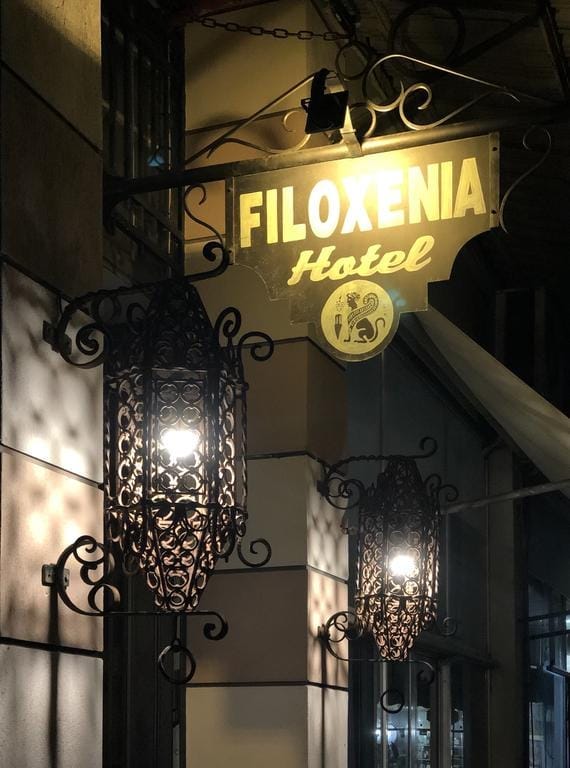
Filoxenia / Philoxenia (φιλοξενία)
Literally “love of strangers”; a deeply rooted tradition of hospitality and generosity toward guests and outsiders.
Filótimo / Philótimo (φιλότιμο)
A uniquely Greek concept combining honour, dignity, generosity, duty, pride and integrity – an incorruptible respect towards a fellow man/ woman, whether they be stranger or friend.
Hara (χαρά)
A profound and enduring joy that goes beyond temporary happiness or pleasure.
Kairos (καιρός)
The opportune or perfect moment to act; qualitative time rather than chronological time. Also a term used for weather.
Kefi (κέφι)
An exuberant state of joy, enthusiasm and high spirits that often expresses itself through music, dancing or celebration. Go Zorba!
Kosmos (κόσμος)
Simultaneously meaning the world, the universe and an ordered, harmonious arrangement. Also a reference to the human race as a whole.
Meraki (μεράκι)
Doing something wholeheartedly with soul, creativity and love – thereby leaving a piece of yourself in the work.
Metanoia (μετάνοια)
A profound change of heart, mind or perspective that transforms how one sees the world.
Nostos (νόστος)
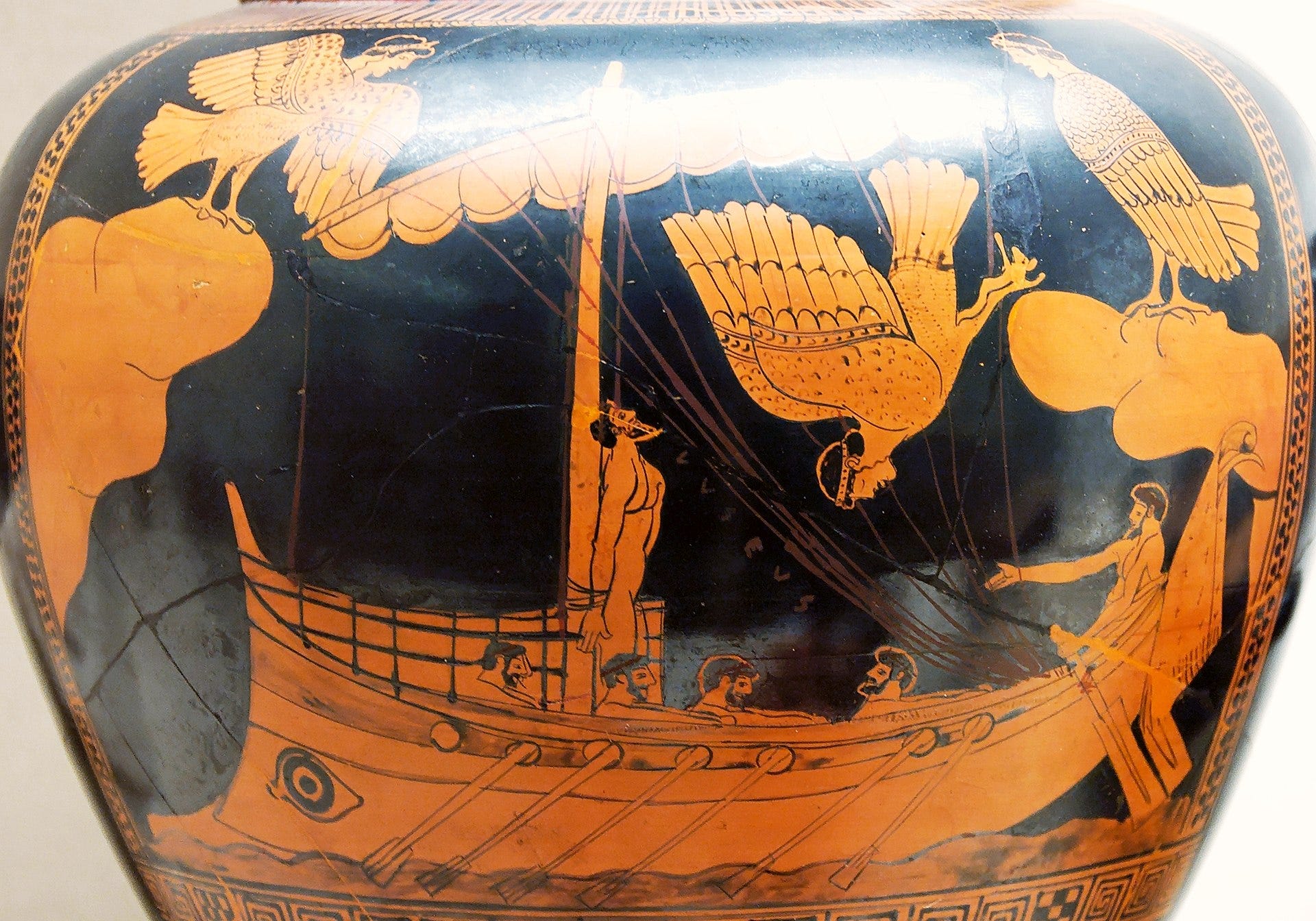
The deep longing for home and the return to one’s origins after a long, difficult and eventful journey; the theme at the heart of Homer’s Odyssey.
NB: For Christopher Nolan’s recent film The Odyssey, the entire narrative is structured around return. Odysseus has spent roughly 20 years away from Ithaca — 10 years fighting at Troy and another 10 trying to get home. Home is the destination, but also the emotional objective.
Parea (παρέα)
A circle of friends whose bond is based on genuine companionship, conversation and shared experiences – your close group of friends and family coming together.
Philia (φιλία)
The affection and loyalty found in deep friendship; one of the classical Greek forms of love.

Ponos (πόνος)
Pain, hardship or suffering, particularly when endured with dignity and meaning.
Sophrosyne (σωφροσύνη)
The ideal of moderation, self-control, balance and sound judgment.
Thalassophilia (θαλασσοφιλία)
A love of the sea and a deep emotional attraction to oceans, coasts and maritime life.

Xenitia (ξενιτιά)
The emotional condition of living far from one’s homeland – often accompanied by homesickness and longing. A type of exile away from deep cultural and spiritual roots and the centuries of history.

Xenodochia (ξενοδοχία)
A spirit of welcoming and caring for travellers and guests, extending beyond simple hospitality. It’s the word Greeks used for their hotels in plural, and Xenodochio in singular.
Zōē (ζωή)
Life in its fullest sense – not merely existence, but vitality, energy and the experience of being alive.
Video
REMORANDOM Chapter

References