


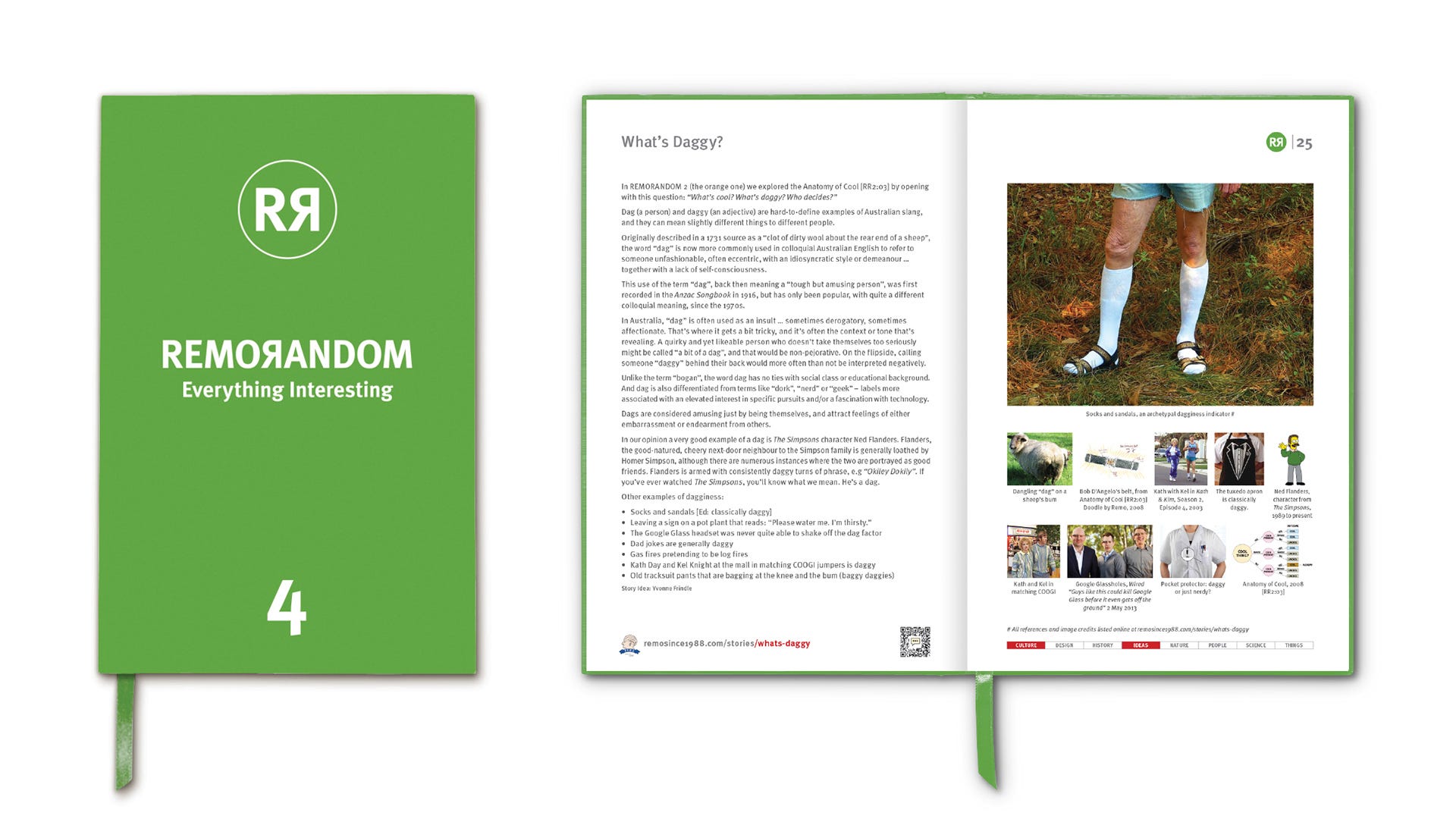
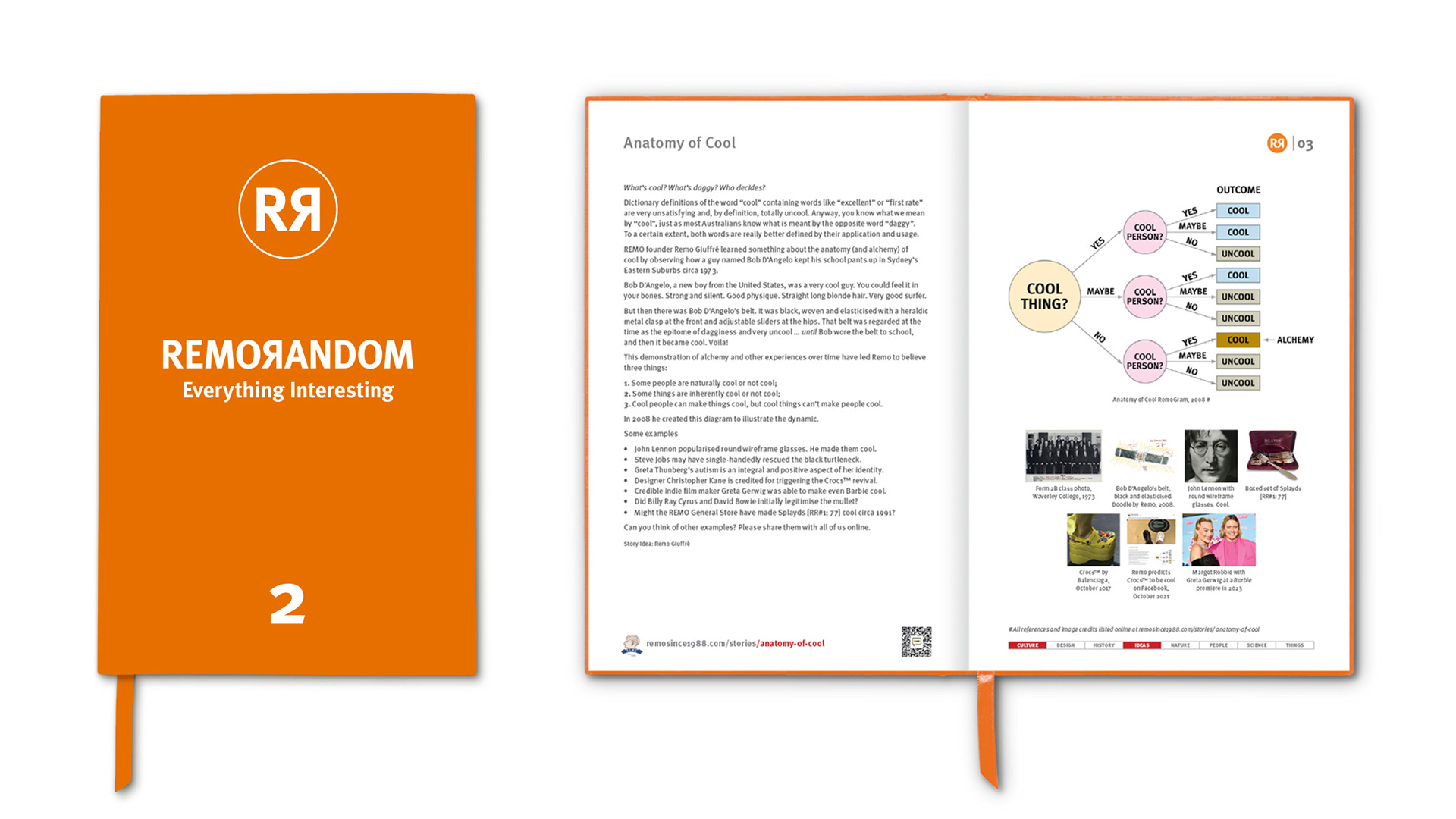
In REMORANDOM 2 (the orange one) we explored the Anatomy of Cool [RR2:03] by opening with this question: “What’s cool? What’s daggy? Who decides?”


Dag (a person) and daggy (an adjective) are hard-to-define examples of Australian slang, and they can mean slightly different things to different people.
Originally described in a 1731 source as a “clot of dirty wool about the rear end of a sheep”, the word “dag” is now more commonly used in colloquial Australian English to refer to someone unfashionable, often eccentric, with an idiosyncratic style or demeanour – together with a lack of self-consciousness.
This use of the term “dag”, back then meaning a “tough but amusing person”, was first recorded in the Anzac Songbook in 1916, but has only been popular, with quite a different colloquial meaning, since the 1970s.


In Australia, “dag” is often used as an insult – sometimes derogatory, sometimes affectionate. That’s where it gets a bit tricky, and it’s often the context or tone that’s revealing. A quirky and yet likeable person who doesn’t take themselves too seriously might be called “a bit of a dag”, and that would be non-pejorative. On the flipside, calling someone “daggy” behind their back would more often than not be interpreted negatively.
Unlike the term “bogan”, the word dag has no ties with social class or educational background. And dag is also differentiated from terms like “dork”, “nerd” or “geek” – labels more associated with an elevated interest in specific pursuits and/or a fascination with technology.
Dags are considered amusing just by being themselves, and attract feelings of either embarrassment or endearment from others.


A very good example of a dag is The Simpsons character Ned Flanders. Flanders, the good-natured, cheery next-door neighbour to the Simpson family is generally loathed by Homer Simpson, although there are numerous instances where the two are portrayed as good friends. Flanders is armed with consistently daggy turns of phrase, e.g “Okiley Dokily”. If you’ve ever watched The Simpsons, you’ll know what we mean. He’s a dag. Other examples of dagginess:
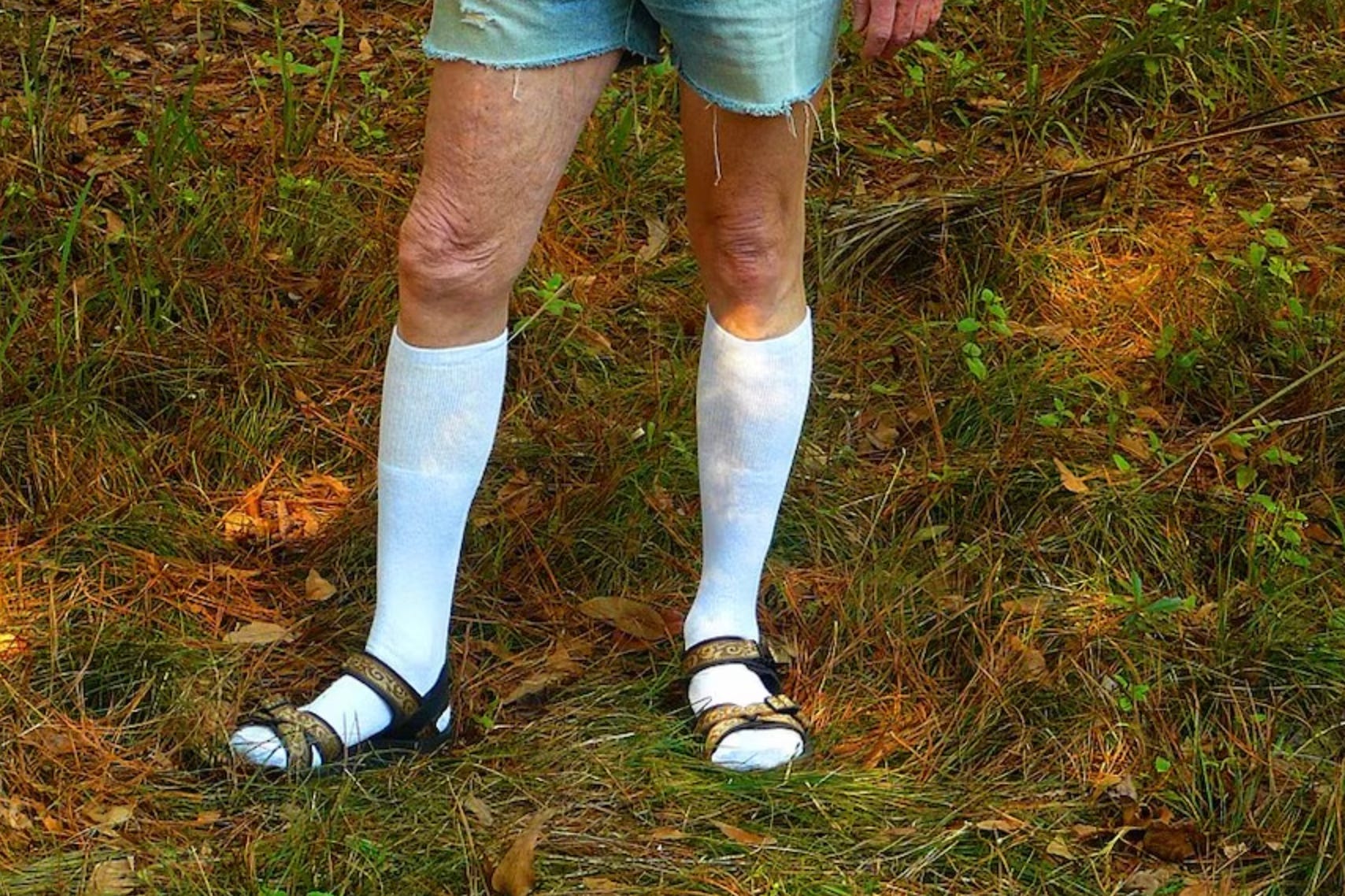
Socks and sandals [Ed: classically daggy]
Leaving a sign on a pot plant that reads: “Please water me. I’m thirsty.”
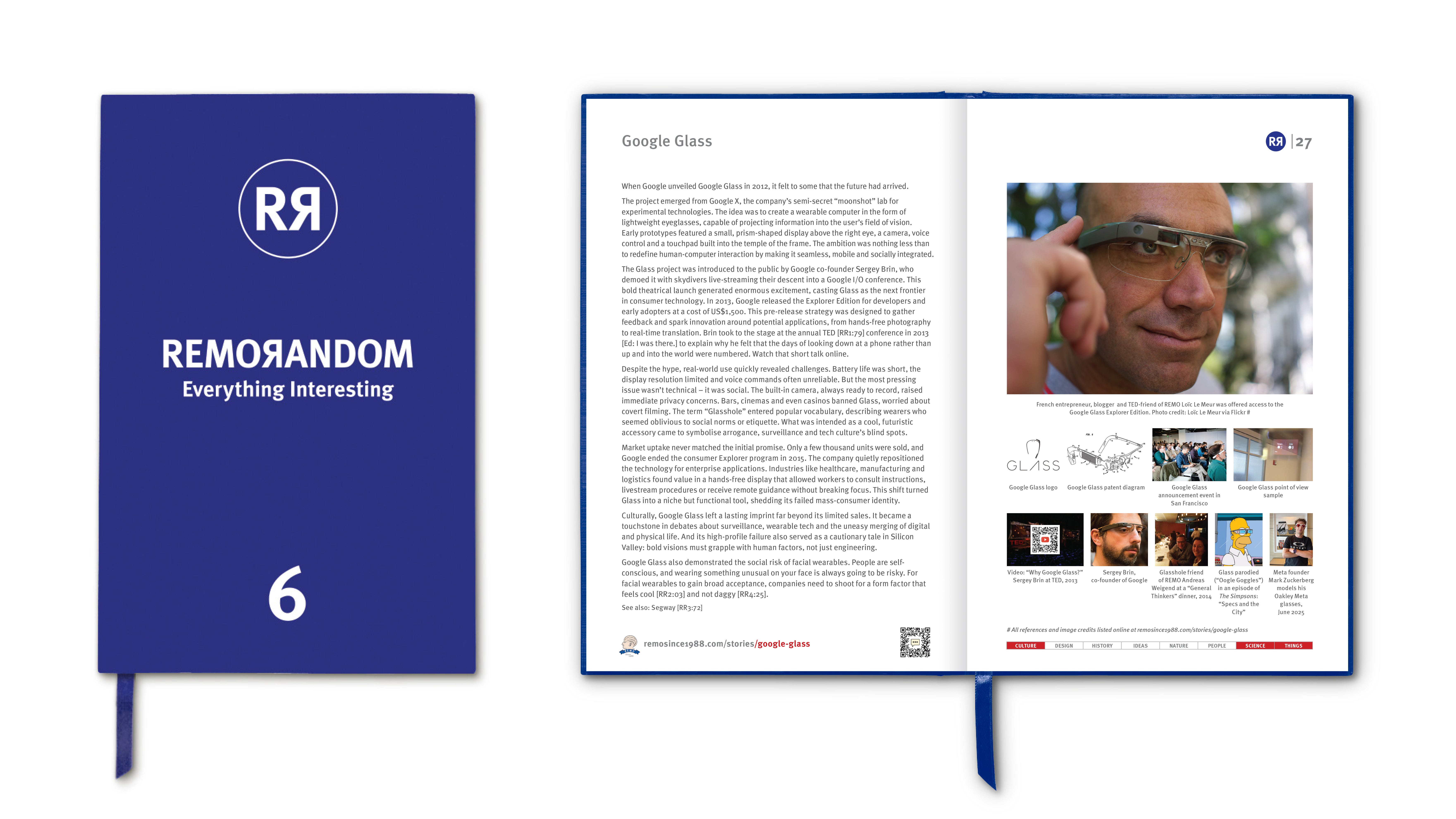
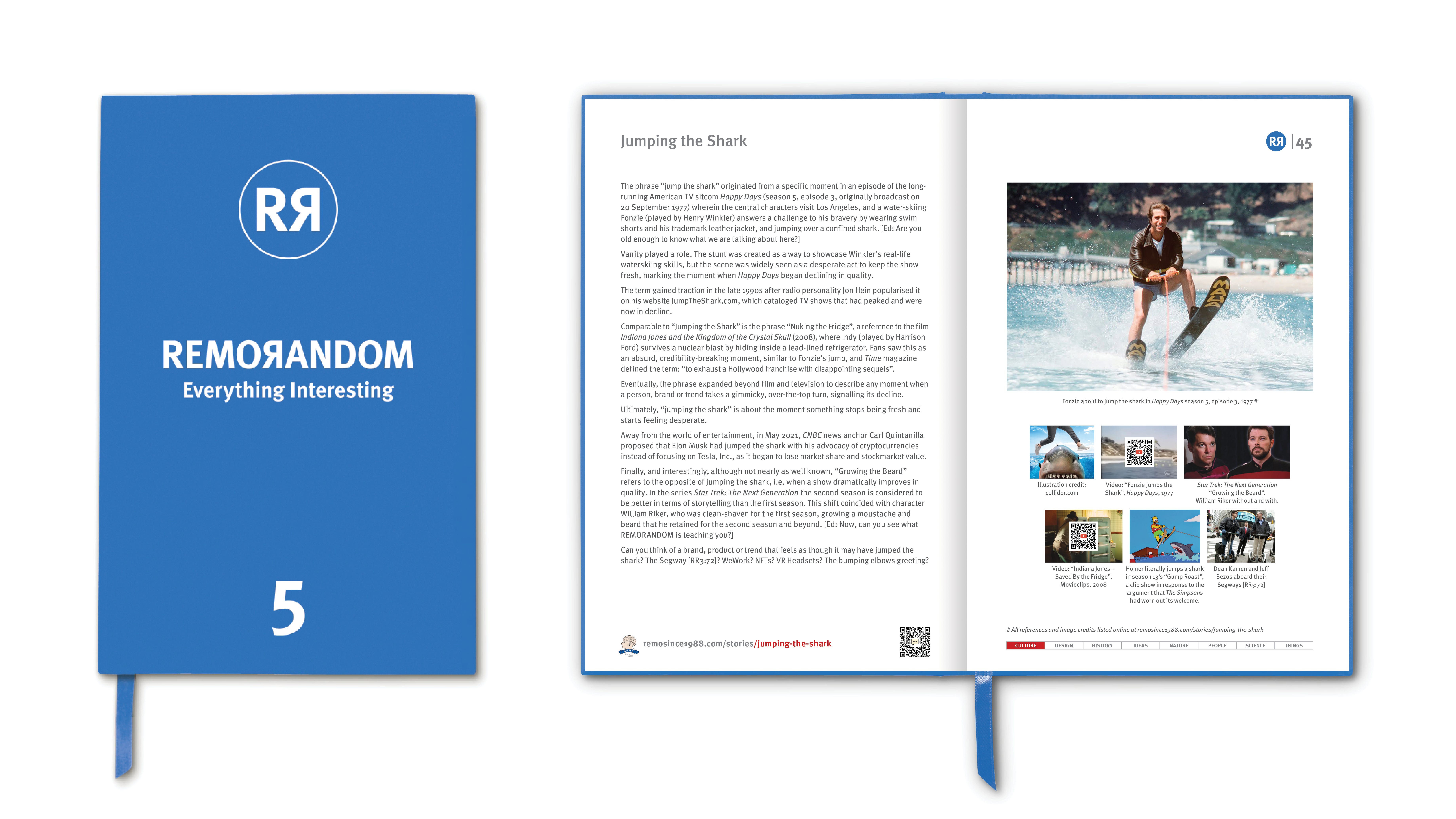
The Google Glass [RR6:28] headset was never quite able to shake off the dag factor – and it wasn’t long before it was “Jumping the Shark” [RR5:45].
Dad jokes are generally daggy
Gas fires pretending to be log fires
Kath Day and Kel Knight at the mall in matching COOGI jumpers is daggy
Old tracksuit pants that are bagging at the knee and the bum (baggy daggies)


Finally, and although sometimes tarred with the dag brush, I would argue that the following were not in fact daggy:
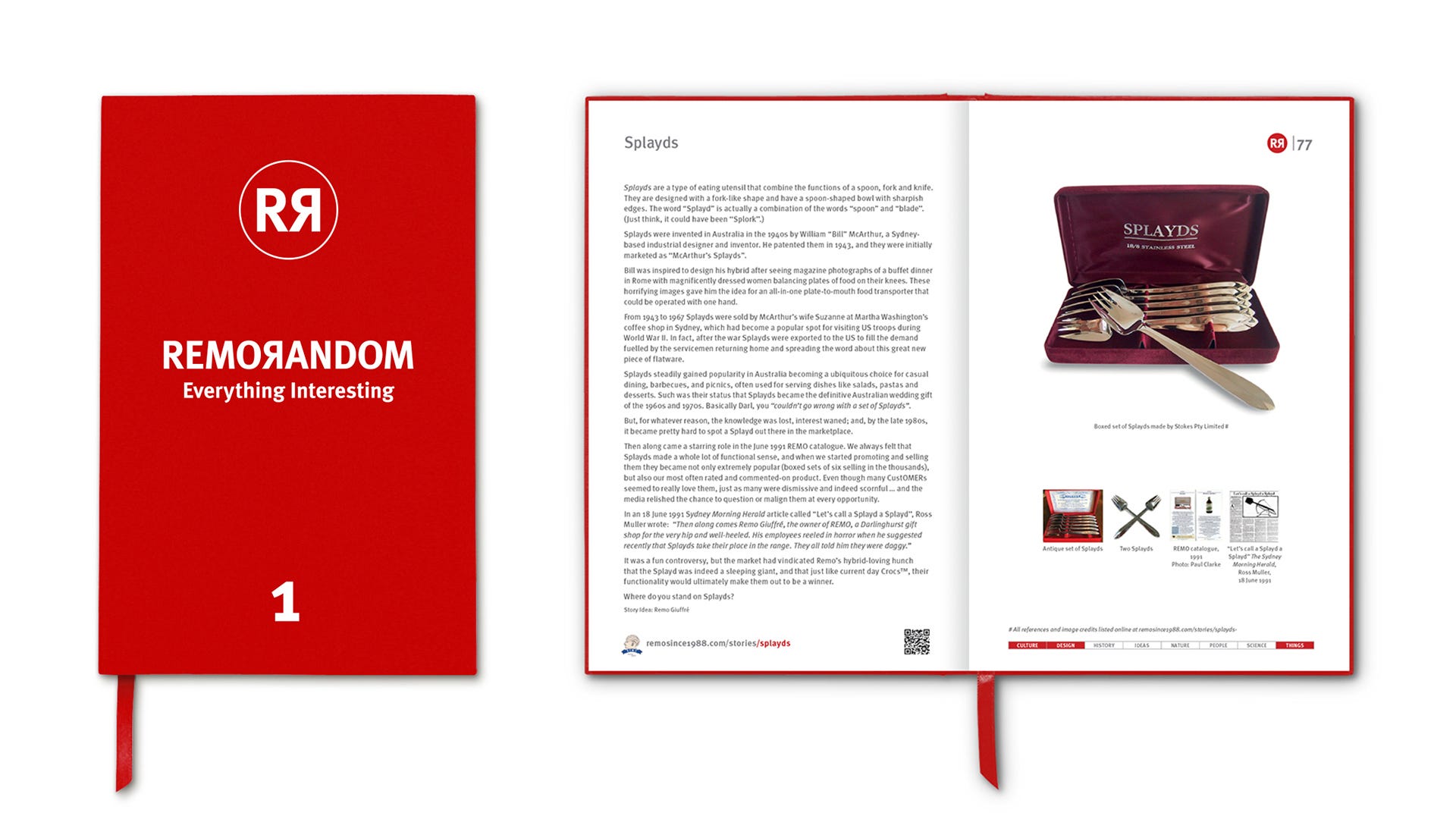
Splayds [RR1:77]
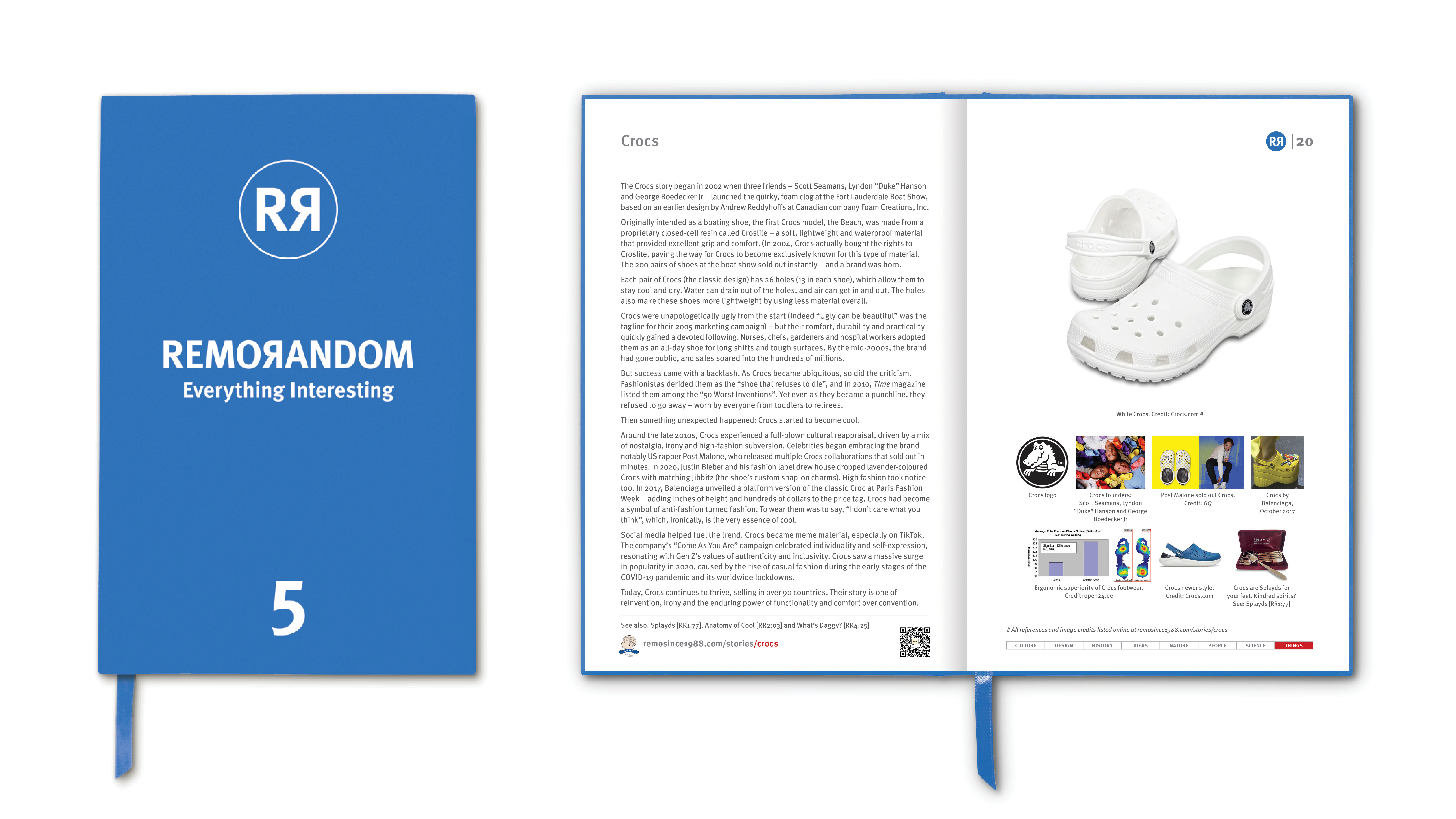
Crocs [RR5:20]
You may disagree.


Story Idea: Yvonne Frindle
REMORANDOM Chapters
I agree Spayds are not daggy. They’re brilliant. However, crocs are unforgivable. Get some proper clogs if you must lol.