


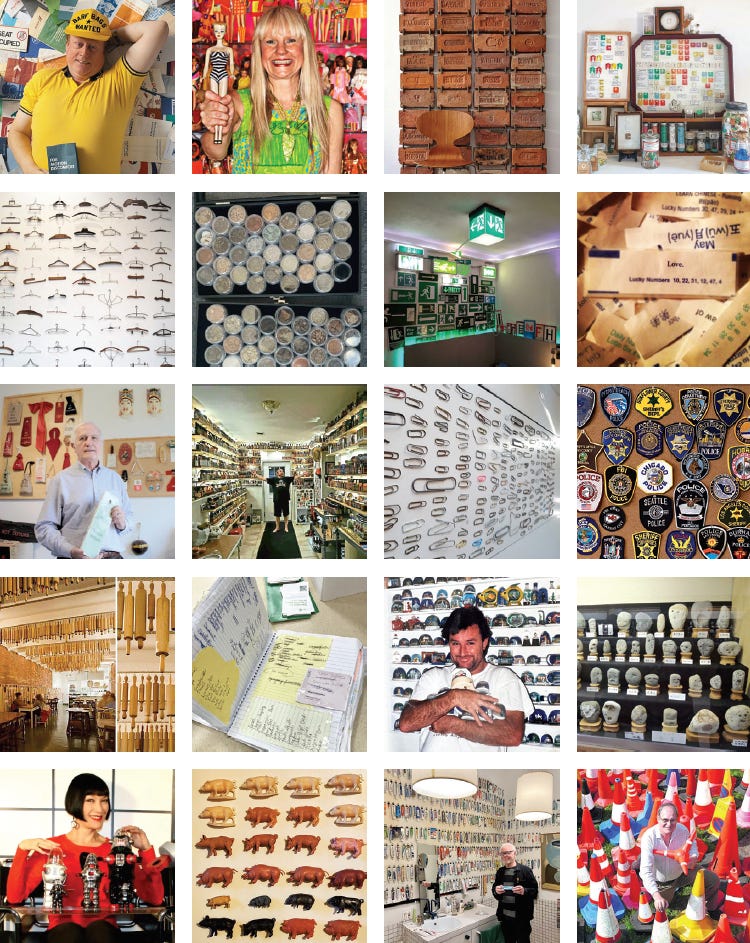
Psychologists say collecting can provide pleasure, identity, order, nostalgia, social connection and “the thrill of the hunt”. Some collectors are driven by rarity, others by beauty, completeness, memory or simple curiosity. One researcher estimates that roughly a third of people collect something, whether stamps, sneakers or fridge magnets. But beyond conventional hobbies lies a stranger world: people who devote years – sometimes entire lifetimes – to the gathering of objects so oddly specific that the collections become artworks in themselves.
Here’s a random list interspersed with some images:
Airline safety cards
Airline sick bags
Antique mousetraps
Banana stickers
Barbie Dolls
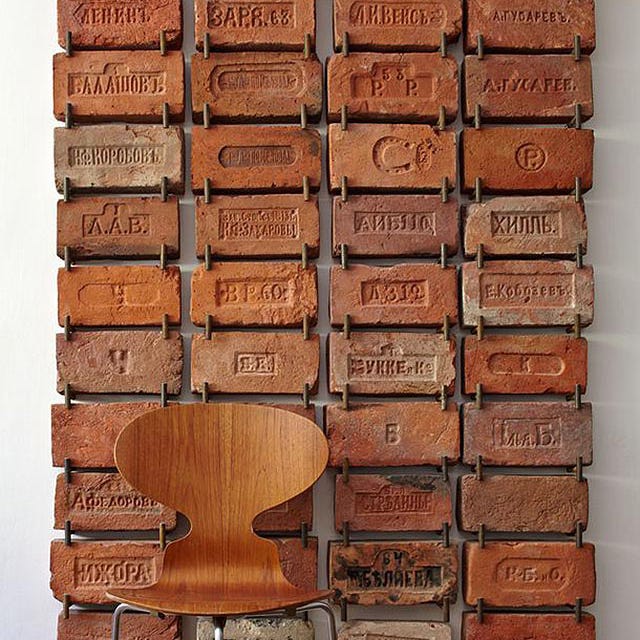
Bricks
Beer coasters
Bottle caps
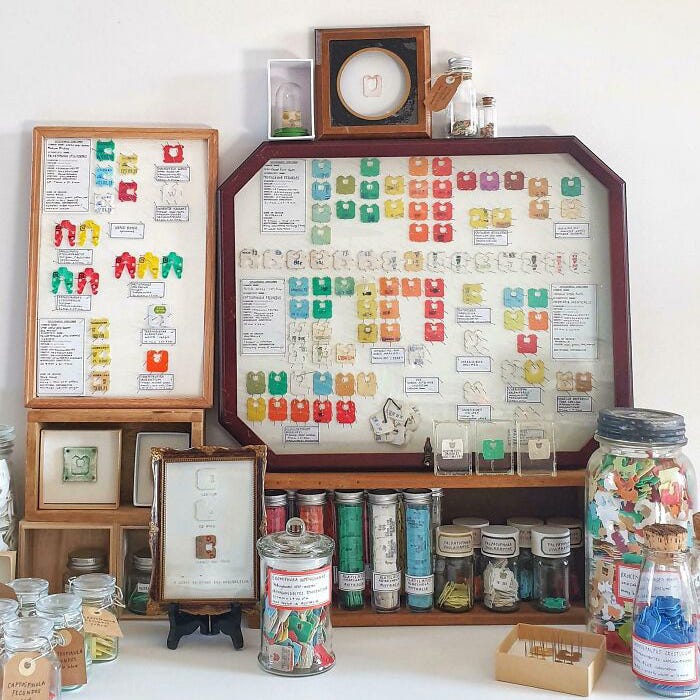
Bread tags [RR1:09]
Celebrity hair clippings
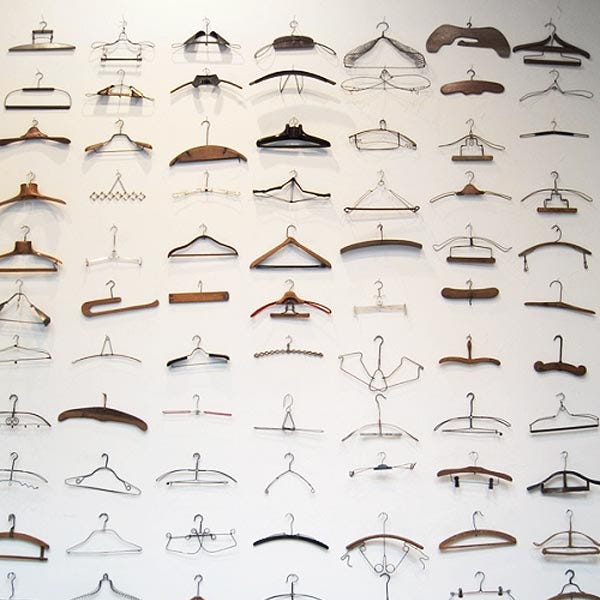
Coat hangers
Dirt and sand samples
Elevator buttons
Erasers shaped like food
Escalator warning signs
Exit signs [RR7:30]
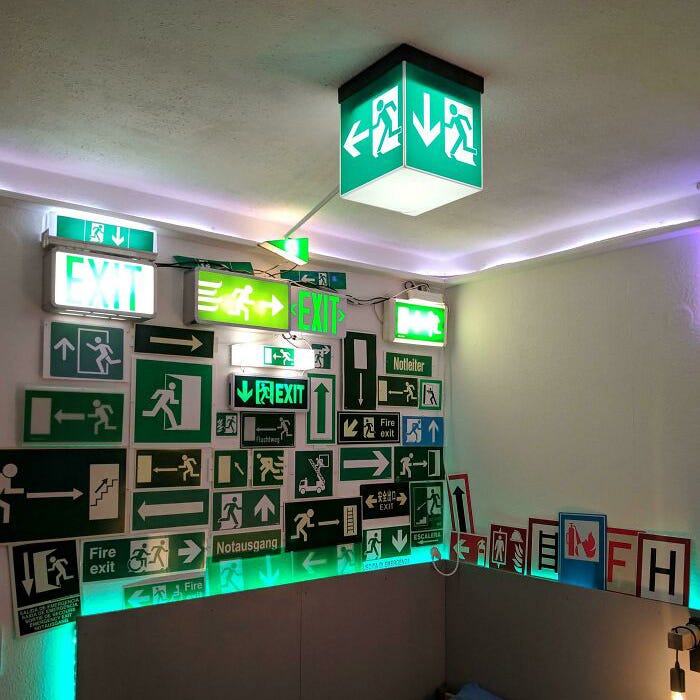
Fast-food promotional cups
Fortune cookie fortunes [RR3:29]
Fruit crate labels
Golf course pencils
Hotel “Do Not Disturb” signs

Hot sauces
Matchbooks
McDonald’s Happy Meal toys
Miniature bottles of Tabasco [RR5:78]
Napkins from restaurants
Old keys
Paper clips (found on the ground) [RR3:59, RR7:64]
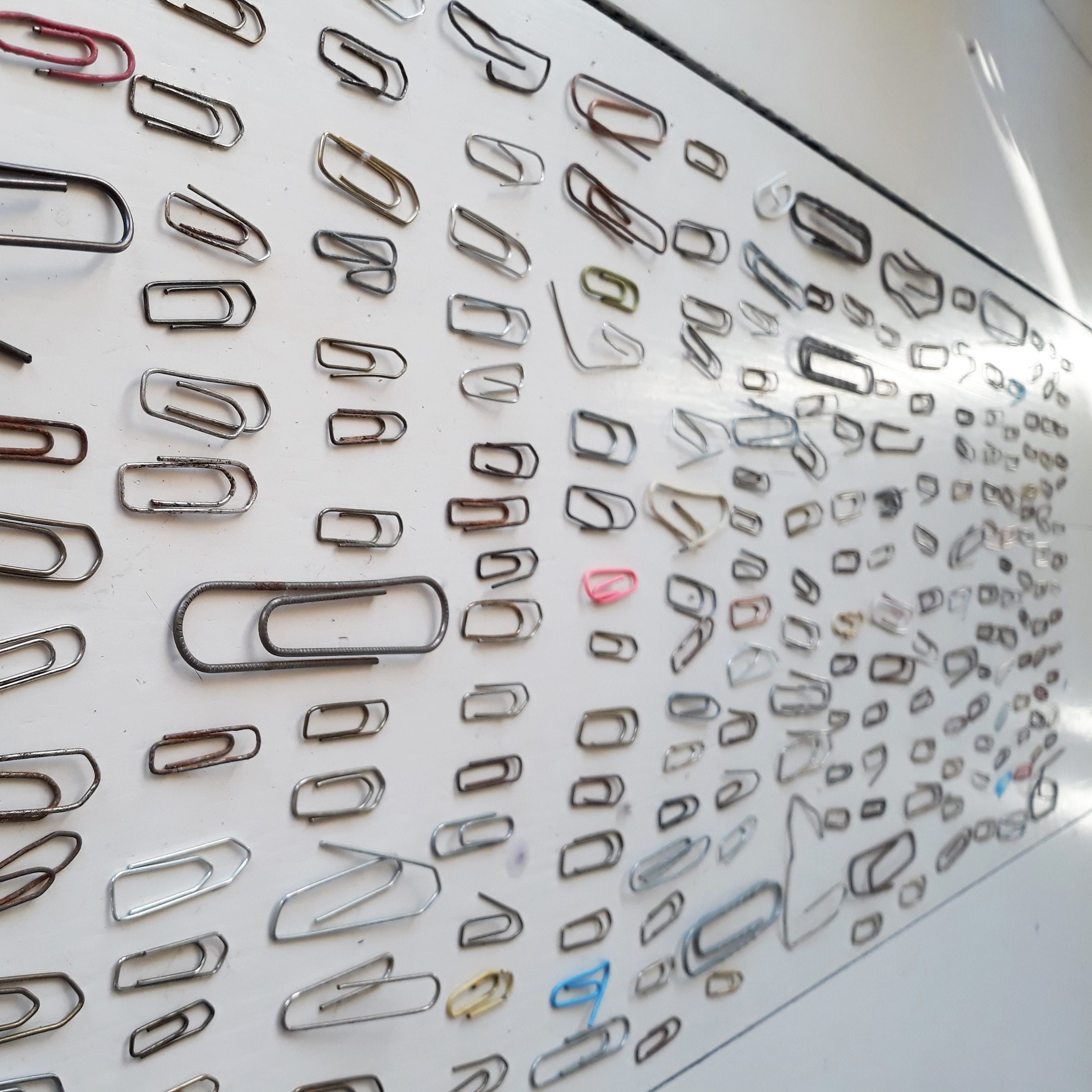
Parking meters
Pencil sharpeners
Police mugshots
Police patches
Rolling pins

Rubber ducks
Seashells shaped like letters
Shopping lists found in supermarket trolleys
• Snow globes [RR7:80]
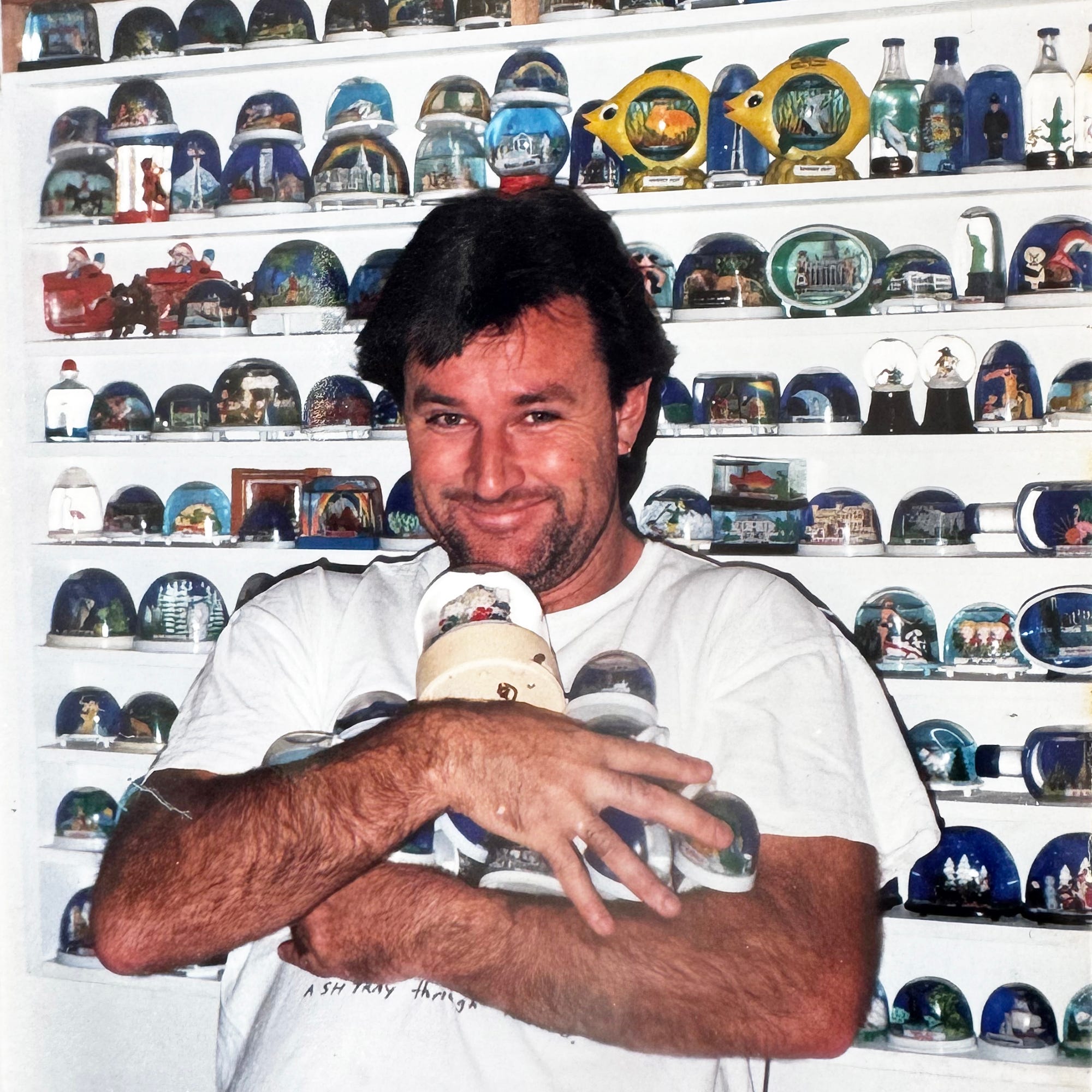
Stones that look like human faces [RR6:58]
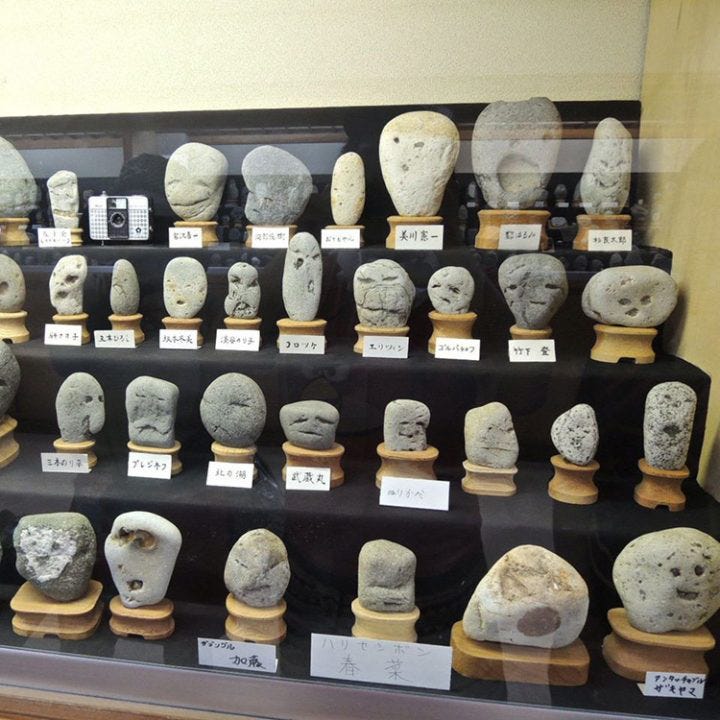
Sugar packets
Tin robots
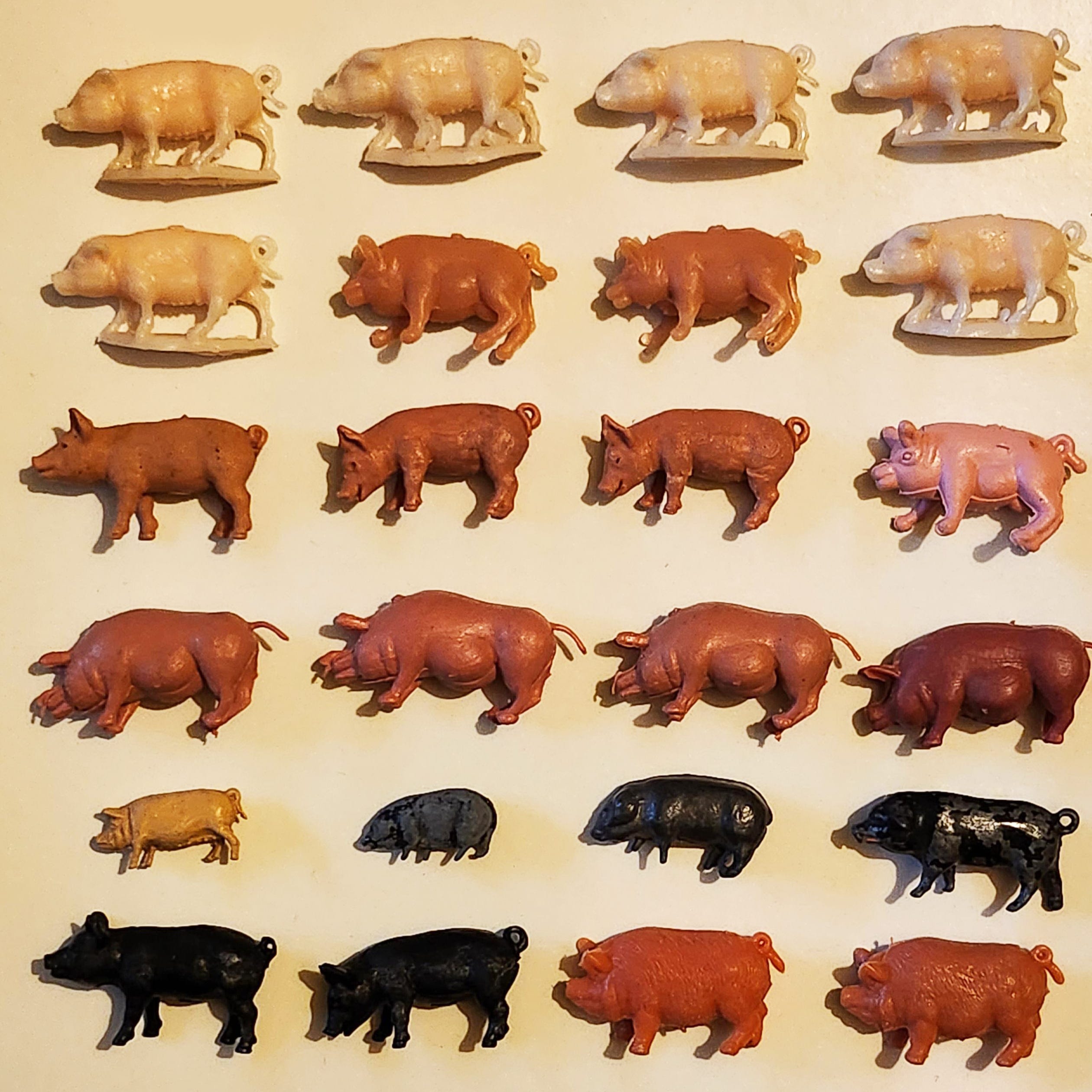
Tiny pigs
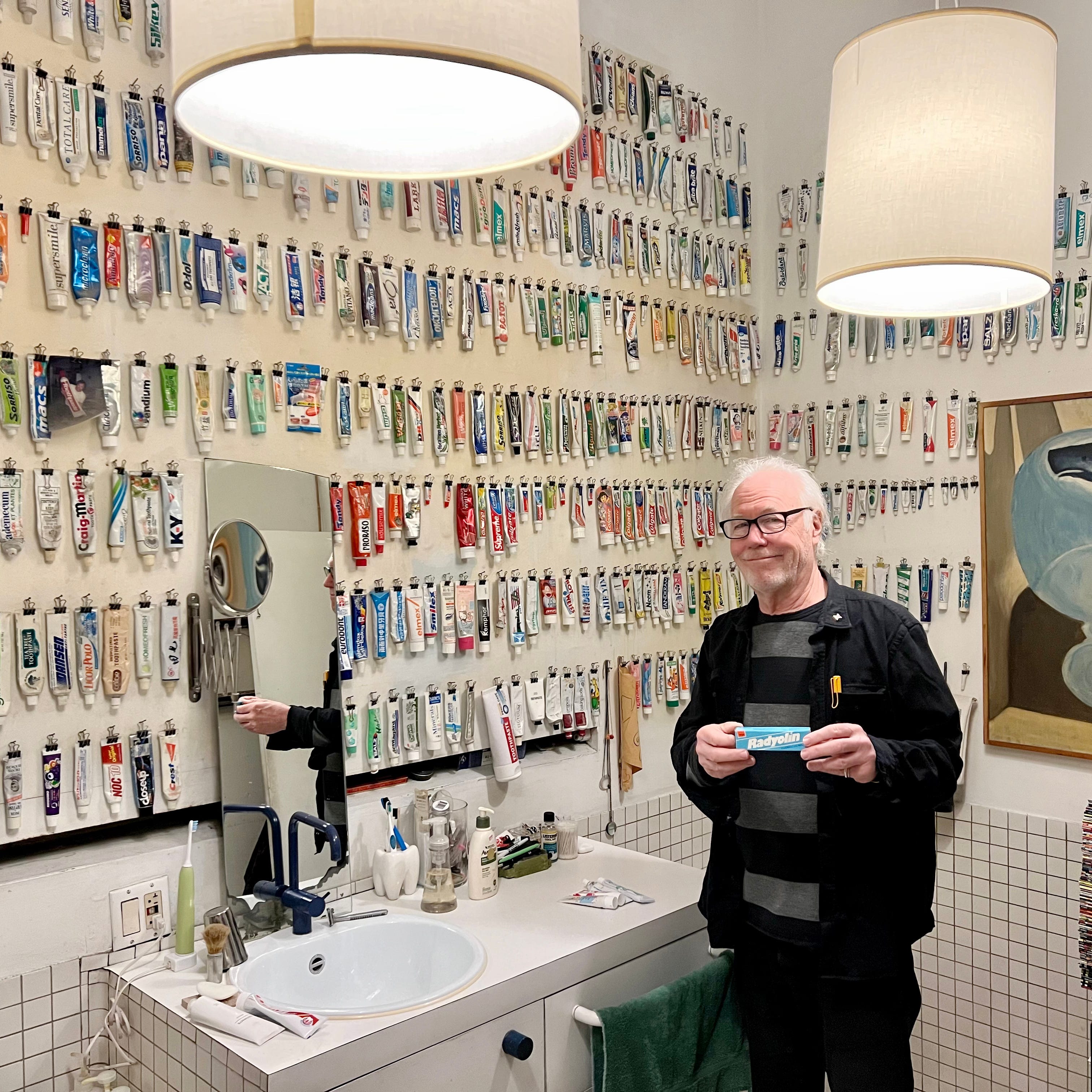
Toothpaste tubes [RR1:84]
Traffic cones
Typewriter ribbons
Vacuum cleaners
Vintage lunch boxes
Vintage motel ashtrays
“Wet Floor” signs
Some of the best collections are visually repetitive — hundreds of nearly identical objects lined up together – because repetition transforms ordinary items into something surreal, funny and strangely beautiful. A wall of airline safety cards or thousands of banana stickers can become more visually arresting than a traditional art collection. The collector turns the mundane into the remarkable.
REMORANDOM Chapter
