


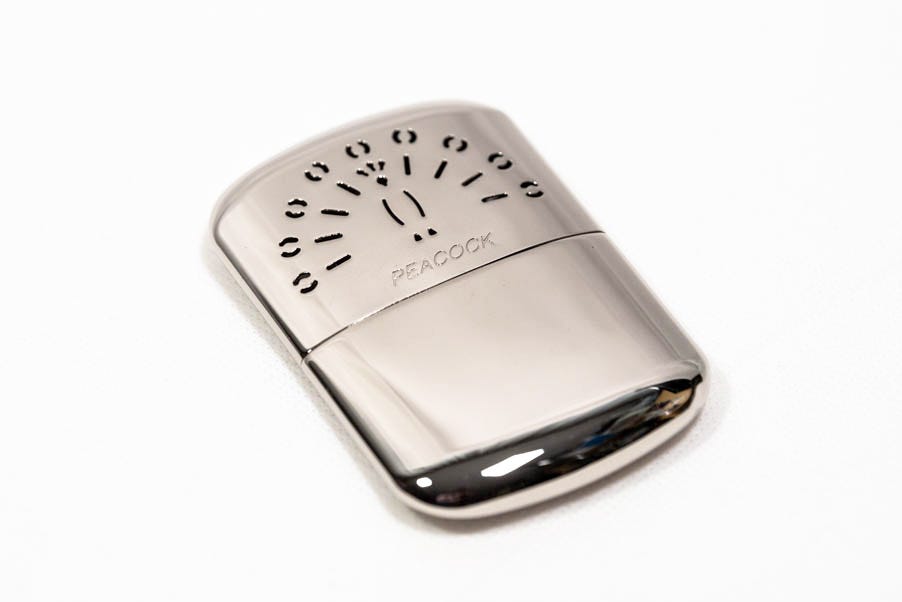
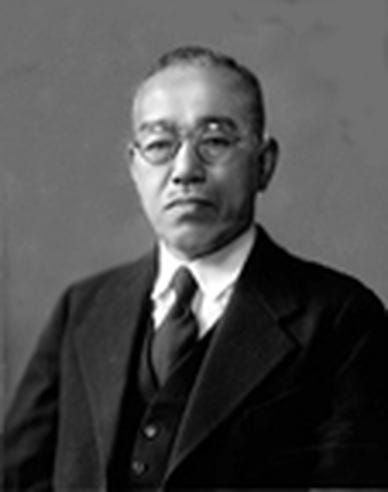
In 1923 Japanese inventor Niichi Matoba obtained a patent for applying the principle of an oxidation reaction to produce heat by means of platinum catalysis. [Ed: You got that?] He devoted himself to research and experiments over many subsequent years to make his idea for a pocket warmer suitable for practical use.
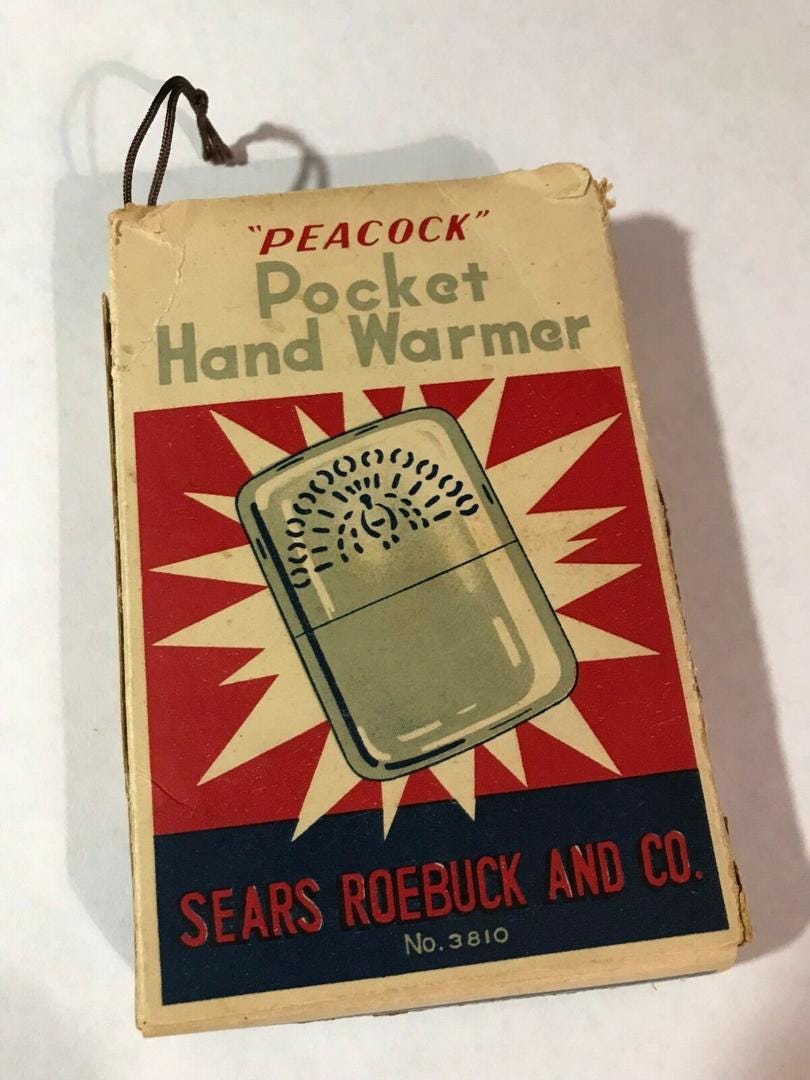
When he finally succeeded in manufacturing a prototype, he named it Hakukin-kairo (Hakkin warmer), but branding the actual product as “Peacock”.
The Peacock pocket warmer burns lighter fluid without the presence of any flame. Once the unit is filled, you hold any heat source (match, cigarette lighter or electric cell) near a glass fibre substrate “wick” that has been coated with platinum. Once the necessary temperature has been achieved, the platinum begins to catalyse.
It feels like magic.
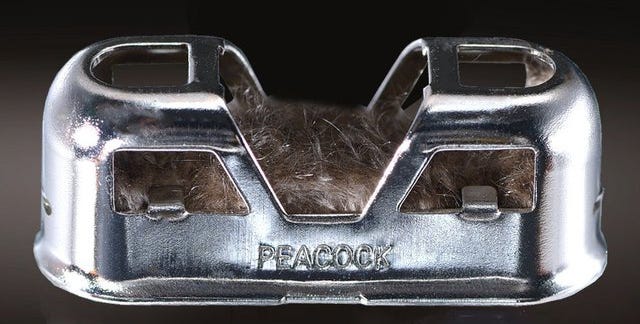
An oxidation reaction usually produces intense heat. But when such a reaction is caused by platinum catalysis, much lower temperatures can be obtained and the heat lasts longer. Properly filled, a Peacock pocket warmer can burn for 24 hours and it can be refilled as many times as you like.
Hakukin marketed the Peacock beyond the medical field into leisure- and sports-related industries, providing people on the go with a portable source of warmth. They have been used by golfers, lawn bowlers, hikers – indeed anyone who needs or likes to be outside in the cold, but with warm pockets! They’ve even accompanied Australian expeditions to the Himalayas.
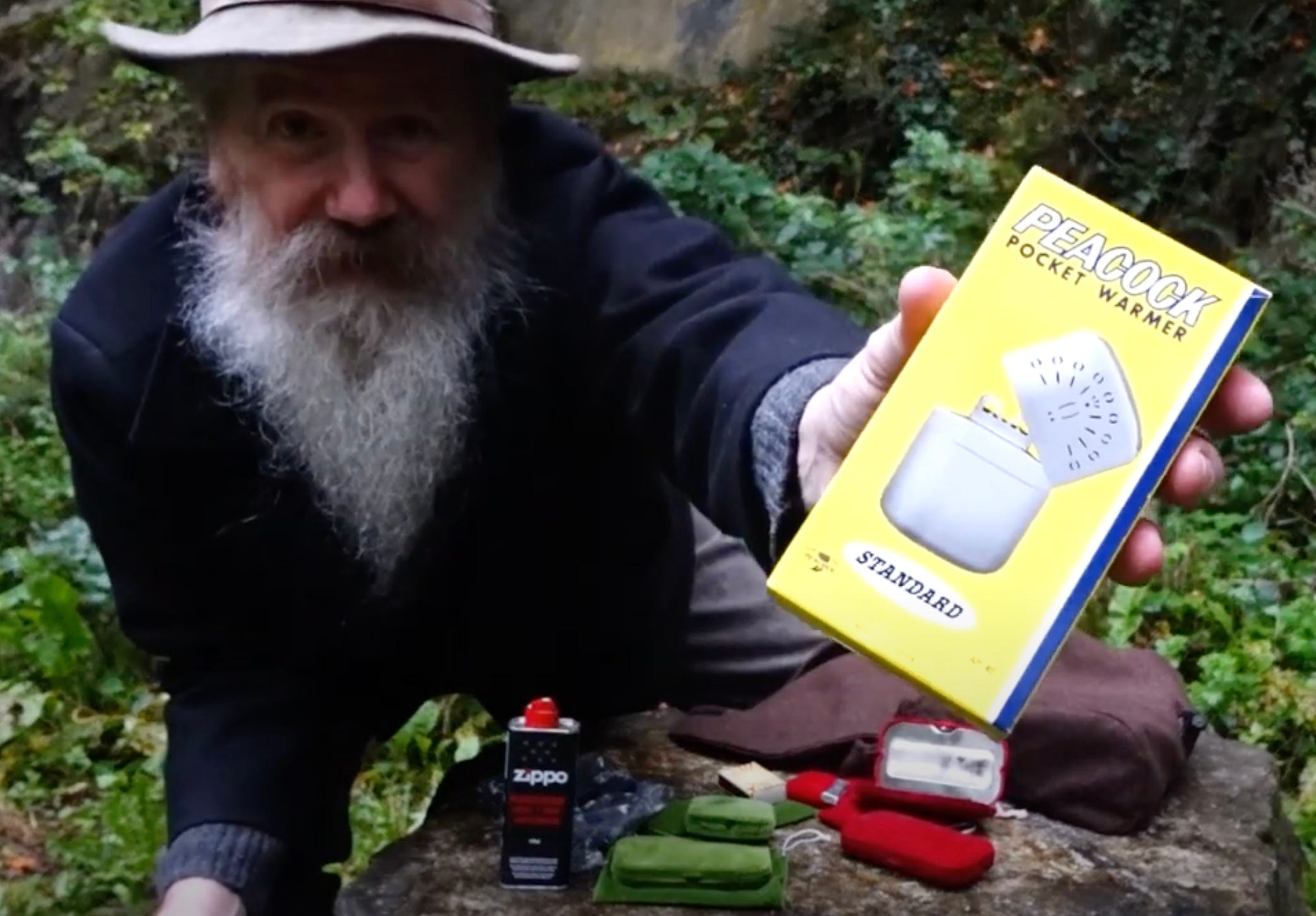
Although there are now disposable pocket warmers that use different technologies, the original Peacock Pocket Warmer is making a comeback, as people become increasingly averse to disposability – and more environmentally conscious.
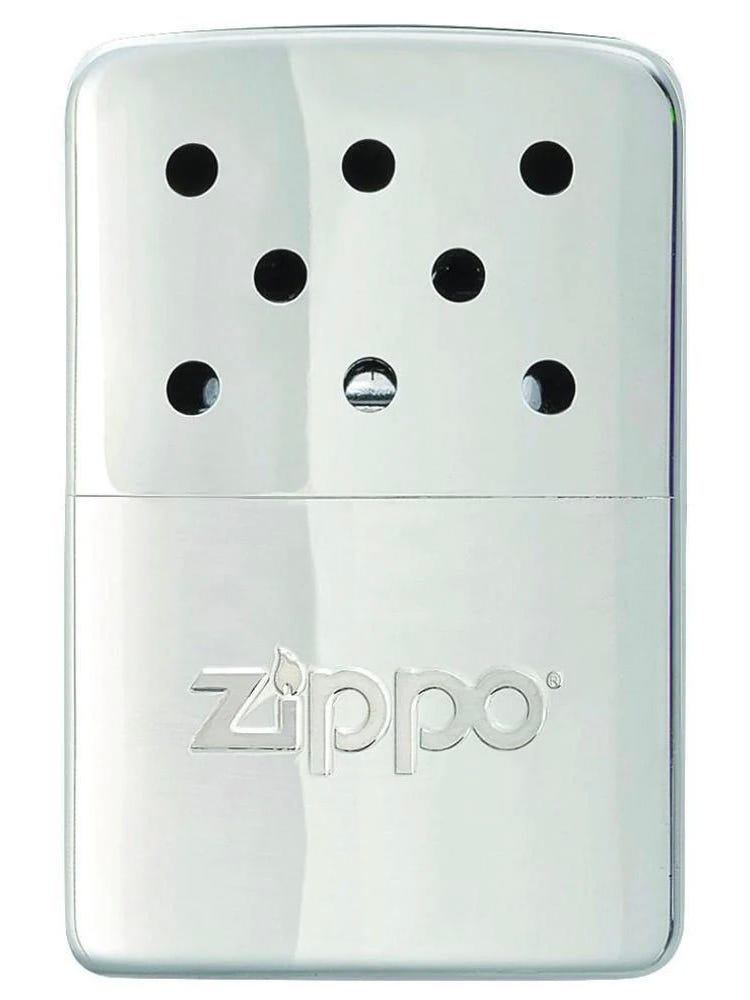
In 2010 the US Zippo lighter company introduced its own version of a catalytic hand warmer, but it is not as nice nor as functional as the Peacock. Watch the 2016 field test comparison video by Finnish YouTuber Helsinkipop.
Postscript
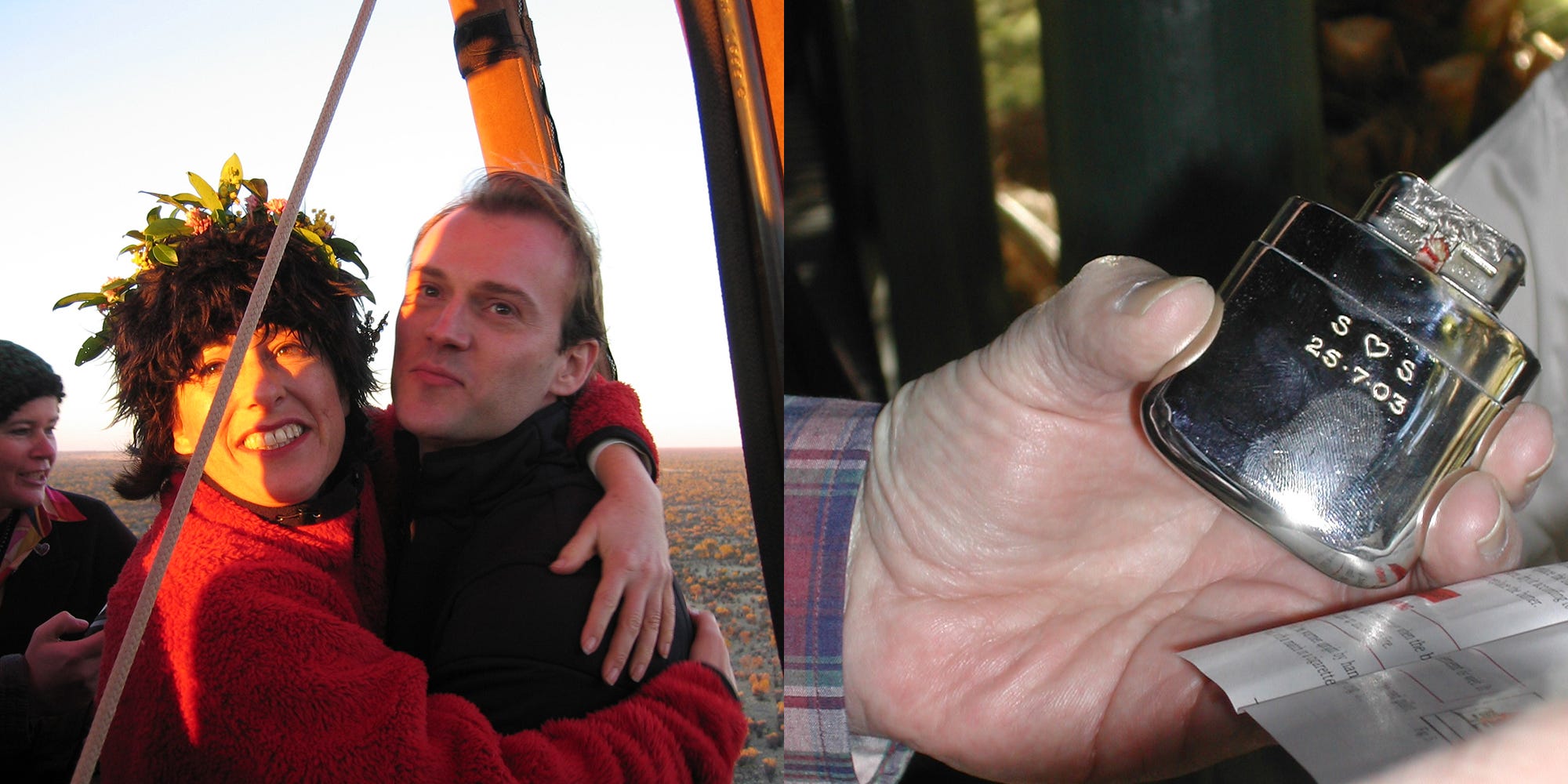
One memorable REMO gift order from 2003 was for 14 Peacock Pocket Warmers engraved with the date and the first name initials of the bride and groom, Sheridan and Scott, for a wedding ceremony that took place in a hot air balloon sailing over Uluru and Alice Springs. Sheridan reports that the operator of the balloon was initially very nervous, perhaps justifiably, by the prospect of that many people trying to light their pocket warmers while jammed within a flammable wicker basket.
References
REMORANDOM Books
Order our books on the REMO store website HERE. Subscribe to receive all future volumes and other printed goodies HERE.
